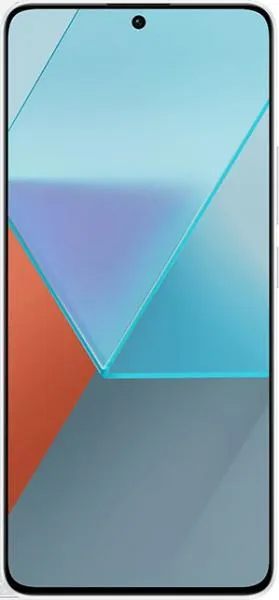
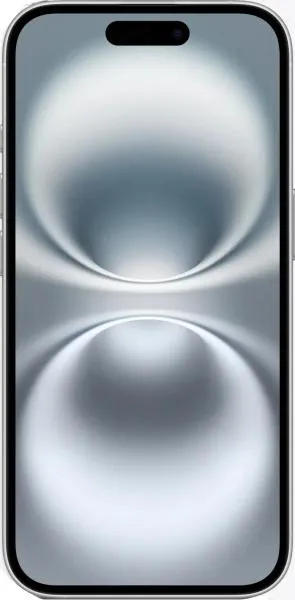
1. Specifications Comparison
| Feature | Xiaomi Redmi Note 13 Pro | Apple iPhone 16 | Practical Impact |
|---|---|---|---|
| Design | |||
| Dimensions | 161.2 x 74.2 x 8 mm | 147.6 x 71.6 x 7.8 mm | iPhone 16 is noticeably smaller and potentially easier to handle one-handed. |
| Weight | 187g | 170g | iPhone 16 is lighter, reducing hand fatigue during extended use. |
| Display | |||
| Size | 6.67 inches | 6.1 inches | Redmi Note 13 Pro offers a larger screen for more immersive media consumption. |
| Type | AMOLED, 120Hz | Super Retina XDR OLED | Both offer high-quality displays with vibrant colors and deep blacks. 120Hz on the Redmi provides smoother scrolling and animations. |
| Resolution | 1220 x 2712 | 1179 x 2556 | Redmi Note 13 Pro has a slightly higher resolution, but the difference in sharpness is negligible in real-world use. |
| Peak Brightness | 1800 nits | 2000 nits (HBM) | iPhone 16 might offer slightly better visibility in direct sunlight. |
| Refresh Rate | 120Hz | Unspecified | The Redmi's 120Hz refresh rate provides a smoother, more responsive user experience compared to a standard 60Hz display (assuming the iPhone 16 has a 60Hz display, as the specification is missing). |
| Performance | |||
| Chipset | Snapdragon 7s Gen 2 (4nm) | Apple A18 (3nm) | A18 is expected to significantly outperform the Snapdragon 7s Gen 2 in processing power and graphics performance. |
| CPU | Octa-core (4x2.40 GHz Cortex-A78 & 4x1.95 GHz Cortex-A55) | Hexa-core (2x4.04 GHz + 4x2.20 GHz) | A18's architecture and higher clock speeds suggest superior performance in demanding tasks and multitasking. |
| GPU | Adreno 710 | Apple GPU (5-core) | Apple's custom GPU generally offers excellent gaming and graphics performance, likely outperforming the Adreno 710. |
| RAM | 8GB/12GB | 8GB | Redmi offers a 12GB RAM option for potentially better multitasking, although 8GB is sufficient for most users. |
| Battery | |||
| Capacity | 5100 mAh | 3561 mAh | Redmi Note 13 Pro has a significantly larger battery, likely resulting in longer battery life. |
| Camera | |||
| Video Capabilities | 4K@30fps, 1080p@120fps | Up to 4K@60fps, 1080p@240fps (HDR) | iPhone 16 offers more comprehensive video recording options, including higher frame rates and HDR at various resolutions. |
2. Key Differences Analysis
Xiaomi Redmi Note 13 Pro Advantages:
- Larger Display: More immersive for media consumption and gaming.
- Higher Resolution: Slightly sharper image, though practically negligible.
- Higher Refresh Rate: Smoother scrolling and animations.
- Larger Battery: Potentially significantly longer battery life.
- Lower Price: Typically more affordable than the iPhone.
Apple iPhone 16 Advantages:
- Superior Performance: Significantly faster processor and graphics for demanding tasks and gaming.
- More Compact Design: Easier to handle and carry.
- Advanced Video Recording: More frame rate and resolution options, HDR support.
- iOS Ecosystem: Seamless integration with other Apple devices and services.
3. User Profiles & Recommendations
Xiaomi Redmi Note 13 Pro:
- Ideal User: Budget-conscious users prioritizing battery life, large screen size, and a smooth display experience for media consumption and casual gaming.
- Use Cases: Streaming videos, browsing social media, light gaming, multitasking.
Apple iPhone 16:
- Ideal User: Users prioritizing performance, premium design, a seamless software experience, and advanced camera features. Users heavily invested in the Apple ecosystem.
- Use Cases: Demanding applications, mobile gaming, content creation (video recording/editing), integration with Apple devices.
4. Decision Framework
Key Questions for Buyers:
- What is your budget? The Redmi Note 13 Pro is expected to be significantly more affordable.
- What are your performance needs? For demanding tasks and gaming, the iPhone 16 is the clear winner.
- What is your priority: battery life or portability? The Redmi Note 13 Pro offers longer battery life, while the iPhone 16 is more compact and easier to carry.
My Choice: Apple iPhone 16
While the Redmi Note 13 Pro offers compelling features like a larger battery and display, I would choose the Apple iPhone 16. The significantly superior performance of the A18 chip, coupled with the advanced video recording capabilities and the seamless integration within the Apple ecosystem (which I personally use), are decisive factors for me. While battery life is important, I prioritize a smooth and powerful user experience, which the iPhone 16 is expected to deliver. The more compact form factor is also preferable for my usage habits. Although the price difference is a consideration, the long-term value and performance advantages of the iPhone 16 outweigh the higher initial cost for my needs.
