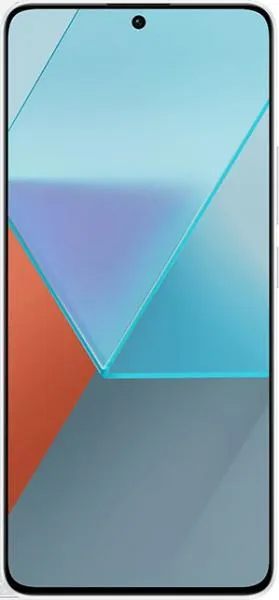
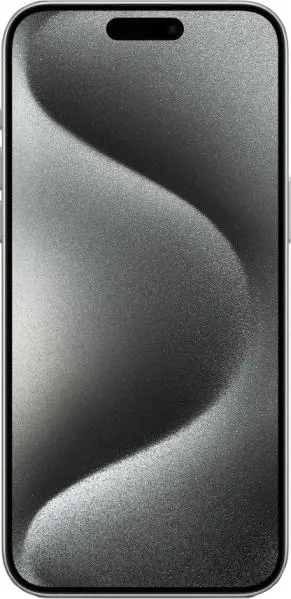
1. Specifications Comparison
| Feature | Xiaomi Redmi Note 13 Pro | Apple iPhone 15 Pro Max | Practical Impact |
|---|---|---|---|
| Design | |||
| Dimensions | 161.2 x 74.2 x 8 mm | 159.9 x 76.7 x 8.3 mm | Virtually identical in size, negligible difference in hand feel. |
| Weight | 187g | 221g | iPhone 15 Pro Max noticeably heavier, potentially impacting one-handed use and pocket comfort. |
| Build Materials | Not specified | Titanium frame | iPhone likely more durable due to titanium; Redmi materials unknown. |
| Display | |||
| Size | 6.67" | 6.7" | Negligible size difference. |
| Type | AMOLED | LTPO Super Retina XDR OLED | Both offer excellent color accuracy and deep blacks; LTPO allows for dynamic refresh rate, potentially saving battery on iPhone. |
| Resolution | 1220 x 2712 | 1290 x 2796 | Slightly sharper image on the iPhone, but barely noticeable in everyday use. |
| Peak Brightness | 1800 nits | 2000 nits (HBM) | iPhone slightly brighter in direct sunlight; both offer excellent outdoor visibility. |
| Refresh Rate | 120Hz | 120Hz | Both offer smooth scrolling and animations. |
| Performance | |||
| Chipset | Snapdragon 7s Gen 2 (4nm) | Apple A17 Pro (3nm) | A17 Pro significantly more powerful, enabling smoother multitasking, faster app loading, and better gaming performance. |
| CPU | Octa-core (4x2.40 GHz Cortex-A78 & 4x1.95 GHz Cortex-A55) | Hexa-core (2x3.78 GHz + 4x2.11 GHz) | A17's architecture and higher clock speeds deliver superior performance. |
| GPU | Adreno 710 | Apple GPU (6-core) | Apple's custom GPU expected to outperform Adreno 710 in graphics-intensive tasks like gaming and video editing. |
| RAM | 8GB/12GB | 8GB | Redmi offers a 12GB RAM option for potentially better multitasking, though iOS RAM management is highly optimized. |
| Storage | 256/512GB | 256GB - 1TB | iPhone offers larger storage option (1TB). |
| Camera | |||
| Rear Camera Specs | Not specified | Not specified | Cannot compare without detailed camera sensor and lens information. |
| Video Capabilities | Up to 4K@30fps | Up to 4K@60fps (HDR) | iPhone offers higher resolution and frame rate video recording with HDR. |
| Battery | |||
| Capacity | 5100 mAh | 4441 mAh | Redmi has a larger battery capacity, potentially leading to longer battery life. However, real-world usage depends on software optimization. |
| Other | |||
| OS | Android 13 | iOS 17 | Different operating systems cater to different preferences and ecosystems. |
| Price Range | Medium | High | Significant price difference; Redmi offers better value on paper. |
2. Key Differences Analysis
Xiaomi Redmi Note 13 Pro Advantages:
- Lower Price: Significantly more affordable.
- Larger Battery: Potentially longer battery life.
- Higher RAM Option: 12GB RAM option for enhanced multitasking.
Apple iPhone 15 Pro Max Advantages:
- Significantly Faster Performance: A17 Pro chip offers a major performance leap.
- Superior Video Recording: Higher resolution and frame rates with HDR.
- More Premium Materials: Titanium frame for better durability.
- LTPO Display: More power efficient.
3. User Profiles & Recommendations
Xiaomi Redmi Note 13 Pro: Budget-conscious users seeking a large display, long battery life, and good performance for everyday tasks. Ideal for social media, web browsing, and light gaming.
Apple iPhone 15 Pro Max: Users prioritizing top-tier performance, premium build quality, the best possible cameras, and seamless integration within the Apple ecosystem. Ideal for demanding tasks like gaming, video editing, and professional photography/videography.
4. Decision Framework
Key Questions:
- What is your budget? The iPhone 15 Pro Max commands a significantly higher price.
- What level of performance do you need? The A17 Pro in the iPhone offers a substantial performance advantage.
- Which operating system do you prefer? Android and iOS offer distinct experiences and ecosystems.
Scenario-Based Recommendations:
- Limited Budget: Redmi Note 13 Pro offers excellent value.
- Demanding User: iPhone 15 Pro Max for unparalleled performance.
- Apple Ecosystem User: iPhone 15 Pro Max for seamless integration.
My Choice: Apple iPhone 15 Pro Max
While the Redmi Note 13 Pro offers compelling value, the iPhone 15 Pro Max's superior performance, premium build (titanium), likely better camera system, and the smoother, more optimized iOS experience are crucial for my needs. I prioritize a fluid user experience, long-term software support, and having the best possible mobile processing power. The higher price is justified for the significant advantages in key areas. The leap in performance offered by the A17 Pro chip, along with expected advancements in camera technology, make the iPhone 15 Pro Max the clear winner for me. While battery life is a concern, iOS optimization often mitigates the smaller battery capacity compared to Android.
