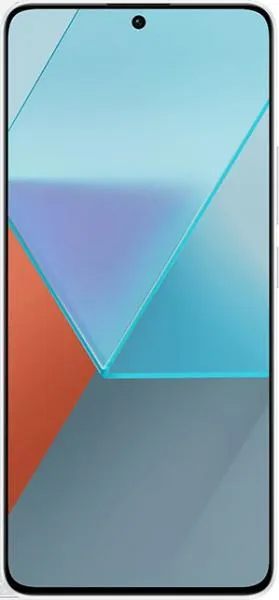

1. Specifications Comparison
| Feature | Category | Xiaomi Redmi Note 13 Pro | Apple iPhone 15 | Practical Impact |
|---|---|---|---|---|
| Dimensions | Design | 161.2 x 74.2 x 8 mm | 147.6 x 71.6 x 7.8 mm | iPhone 15 is noticeably smaller and might be preferable for one-handed use. |
| Weight | Design | 187g | 171g | iPhone 15 is lighter, reducing hand fatigue during extended use. |
| Display Size | Display | 6.67" | 6.1" | Redmi offers a larger screen for more immersive media consumption, while the iPhone 15 is more pocketable. |
| Display Type | Display | AMOLED, 120Hz | Super Retina XDR OLED | Both are high-quality displays; 120Hz on Redmi provides smoother scrolling and animations. |
| Peak Brightness | Display | 1800 nits | 2000 nits | iPhone 15's slightly higher peak brightness improves outdoor visibility. |
| Resolution | Display | 1220 x 2712 | 1179 x 2556 | Redmi has a slightly higher resolution, but both offer sharp visuals due to their high PPI. |
| PPI Density | Display | 446 | 461 | iPhone has a slightly sharper display due to higher pixel density, though the difference is minimal in practical use. |
| Chipset | Performance | Snapdragon 7s Gen 2 | A16 Bionic | A16 Bionic is significantly more powerful, resulting in faster app launches, smoother multitasking, and better gaming performance. |
| CPU | Performance | Octa-core (4x2.40 GHz & 4x1.95 GHz) | Hexa-core (2x3.46 GHz & 4x2.02 GHz) | A16's architecture and higher clock speeds provide a substantial performance advantage. |
| GPU | Performance | Adreno 710 | Apple GPU (5-core) | Apple's GPU generally offers superior graphics performance for demanding games and applications. |
| RAM | Performance | 8GB/12GB | 6GB | Redmi offers more RAM in some configurations, potentially benefiting multitasking, but iOS's memory management often mitigates this difference. |
| Battery Capacity | Battery | 5100 mAh | 3349 mAh | Redmi has a significantly larger battery, likely resulting in longer battery life. |
| OS | Software | Android 13 | iOS 17 | OS preference is subjective, impacting user interface, app ecosystem, and customization options. |
| Storage | Storage | 256GB/512GB | 256GB/512GB | Comparable storage options. |
| Video Capabilities | Camera | 4K@30fps, 1080p@120fps | 4K@60fps, 1080p@240fps | iPhone offers higher resolution and frame rate video recording capabilities for smoother and more detailed videos. |
2. Key Differences Analysis
Xiaomi Redmi Note 13 Pro Advantages:
- Larger Battery: Significantly longer battery life.
- Larger Display: More immersive media experience.
- Higher Refresh Rate: Smoother scrolling and animations.
- Potentially Lower Price: Generally more affordable within the "medium price" range.
Apple iPhone 15 Advantages:
- Significantly Faster Performance: Due to the A16 Bionic chip.
- Superior Video Recording: Higher resolution and frame rates.
- More Compact Design: Easier one-handed use and portability.
- Brighter Display: Better visibility in direct sunlight.
3. User Profiles & Recommendations
Xiaomi Redmi Note 13 Pro:
- Ideal User: Budget-conscious users prioritizing battery life, large screen size for media consumption, and smooth display performance.
- Use Cases: Watching videos, playing casual games, extended use without frequent charging.
Apple iPhone 15:
- Ideal User: Users prioritizing performance, premium design, high-quality video recording, and seamless integration within the Apple ecosystem.
- Use Cases: Demanding mobile gaming, professional video recording, tasks requiring high processing power.
4. Decision Framework
Key Questions for Buyers:
- What is your budget? The Redmi is likely more affordable.
- What is your priority: performance or battery life? iPhone 15 excels in performance, Redmi in battery life.
- What is your preferred operating system and ecosystem? Android vs. iOS.
Scenario-Based Recommendations:
- Heavy Gamer: iPhone 15 for its superior performance.
- All-Day Battery User: Redmi Note 13 Pro for extended battery life.
- Budget-Conscious User: Redmi Note 13 Pro.
- Integrated Apple Ecosystem User: iPhone 15.
My Choice: Apple iPhone 15
While the Redmi Note 13 Pro offers impressive features like a larger battery and higher refresh rate display, the iPhone 15's significantly superior performance, driven by the A16 Bionic chip, is the deciding factor for me. I prioritize a smooth and responsive user experience, especially for demanding tasks and gaming. The iPhone's compact design and higher quality video recording capabilities are also appealing. While battery life is important, I'm willing to compromise slightly in that area for the significant performance gains and overall user experience offered by the iPhone 15. I also value the integration with the Apple ecosystem.
