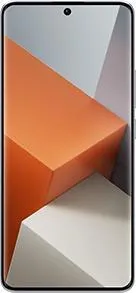
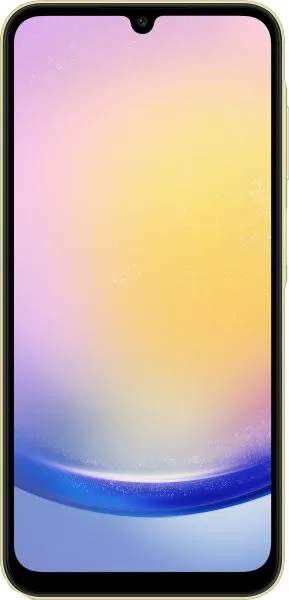
1. Specifications Comparison
| Feature | Xiaomi Redmi Note 13 Pro+ | Samsung Galaxy A15 5G | Practical Impact |
|---|---|---|---|
| Design | |||
| Dimensions | 161.4 x 74.2 x 8.9 mm | 160.1 x 76.8 x 8.4 mm | Redmi is slightly taller and narrower, Galaxy A15 slightly thinner. Negligible difference in hand feel. |
| Weight | 199g | 200g | Virtually identical weight. |
| Fingerprint Sensor | Under display | Side-mounted | Preference-based. Under-display is modern, side-mounted can be faster and more reliable. |
| Display | |||
| Display Type | AMOLED, 68B colors, 120Hz | Super AMOLED, 90Hz | Redmi offers smoother scrolling and animations with 120Hz and potentially more vibrant colors with the 68B color depth. |
| Resolution | 1220 x 2712 | 1080 x 2340 | Redmi has a sharper display due to higher resolution. Noticeable in detail and text clarity. |
| Peak Brightness | 1800 nits | 800 nits (HBM) | Redmi will be significantly brighter outdoors, making it easier to read in sunlight. |
| Performance | |||
| Chipset | Mediatek Dimensity 7200 Ultra (4 nm) | Mediatek Dimensity 6100+ (6 nm) | Redmi's 7200 Ultra is a more powerful chipset, resulting in faster performance in demanding tasks and games. |
| CPU | Octa-core (2x2.8 GHz Cortex-A715 & 6x2.0 GHz Cortex-A510) | Octa-core (2x2.2 GHz Cortex-A76 & 6x2.0 GHz Cortex-A55) | Redmi's CPU configuration suggests better performance, especially in multi-core tasks. |
| GPU | Mali-G610 MC4 | Mali-G57 MC2 | Redmi's GPU is more capable, leading to smoother gaming and faster graphics rendering. |
| RAM/Storage | 8/256GB, 12/256GB, 12/512GB | 6/128GB, 8/128GB, 8/256GB | Redmi offers higher RAM and storage options, enabling better multitasking and more space for files. |
| Camera | Specification data missing for detailed comparison. | ||
| Video Capabilities | 4K@24/30fps (EIS), 1080p@30/60/120fps (EIS) | 1080p@30fps (EIS) | Redmi offers superior video recording capabilities with higher resolution and frame rate options including 4K and slow-motion. |
| Battery | |||
| Capacity | 5000 mAh | 5000 mAh | Similar battery capacity suggests comparable battery life. Real-world usage may vary depending on other factors. |
| Software | |||
| OS | Android 13 | Android 14 | Galaxy A15 launches with a newer Android version, potentially offering more features and longer software support. |
2. Key Differences Analysis
Xiaomi Redmi Note 13 Pro+ Advantages:
- Significantly brighter and sharper display: Improved outdoor visibility and a more immersive media experience.
- More powerful performance: Smoother gaming, faster app loading, and better multitasking.
- Superior video recording capabilities: More resolution and frame rate options for higher quality videos.
- Higher RAM and storage options: More headroom for multitasking and ample space for files.
Samsung Galaxy A15 5G Advantages:
- Newer Android version: Potentially longer software updates and newer features out of the box.
- Potentially Lower Price: While not specified, A series phones typically target a more budget-conscious market.
3. User Profiles & Recommendations
Redmi Note 13 Pro+: Users who prioritize performance, a high-quality display, and versatile video recording. Suitable for gamers, content creators, and power users.
Samsung Galaxy A15 5G: Users who prioritize software updates and affordability. Best for casual users who primarily use their phone for basic tasks like communication, social media, and web browsing.
4. Decision Framework
Key Questions:
- What is your budget?
- What are your primary phone usage patterns (gaming, photography, social media)?
- How important are software updates and longevity?
Scenario-based Recommendations:
- Gamer: Redmi Note 13 Pro+ for its superior performance and display.
- Budget-conscious user: Samsung Galaxy A15 5G, if priced lower, for its long-term software support.
- Photographer/Videographer: Redmi Note 13 Pro+ for its superior video recording capabilities (assuming camera quality is comparable based on missing data).
My Choice: Xiaomi Redmi Note 13 Pro+
While the Samsung Galaxy A15 5G offers the advantage of a newer Android version, the Redmi Note 13 Pro+ significantly outperforms it in key areas that matter most to me: display quality, performance, and video recording capabilities. The brighter, sharper display with a higher refresh rate is a major draw, along with the noticeably more powerful processor and GPU. The broader range of RAM and storage configurations in the Redmi also provides greater flexibility and future-proofing. I prioritize these features for a more enjoyable and productive user experience, and am willing to potentially compromise slightly on software update longevity for the significant gains in other areas.
