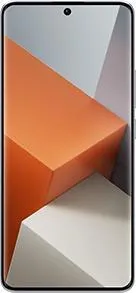
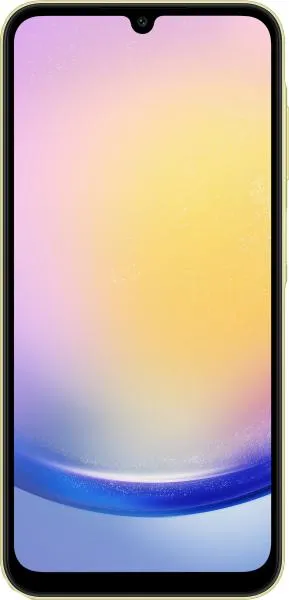
1. Specifications Comparison
| Feature | Xiaomi Redmi Note 13 Pro+ | Samsung Galaxy A15 | Practical Impact |
|---|---|---|---|
| Design | |||
| Dimensions | 161.4 x 74.2 x 8.9 mm | 160.1 x 76.8 x 8.4 mm | Redmi is slightly taller and narrower, Galaxy A15 is slightly thicker. Negligible difference in hand feel. |
| Weight | 199g | 200g | Virtually identical weight. |
| Build | Not specified | Not specified | Build quality cannot be compared without further information. |
| Display | |||
| Size | 6.67" | 6.5" | Redmi offers a slightly larger viewing area. |
| Type | AMOLED, 120Hz | Super AMOLED, 90Hz | Both offer vibrant colors and deep blacks. Redmi's 120Hz provides smoother scrolling and animations. |
| Resolution | 1220 x 2712 | 1080 x 2340 | Redmi has a significantly sharper display due to higher resolution. |
| Peak Brightness | 1800 nits | 800 nits (HBM) | Redmi is much brighter, ensuring better visibility in sunlight. |
| Performance | |||
| Chipset | Mediatek Dimensity 7200 Ultra (4nm) | Mediatek Helio G99 (6nm) | Redmi's 7200 Ultra is considerably more powerful, leading to faster app loading, smoother multitasking, and better gaming performance. The 4nm process also suggests better power efficiency. |
| CPU | Octa-core (2x2.8 GHz Cortex-A715 & 6x2.0 GHz Cortex-A510) | Octa-core (2x2.2 GHz Cortex-A76 & 6x2.0 GHz Cortex-A55) | Redmi has a more modern and powerful CPU architecture. |
| GPU | Mali-G610 MC4 | Mali-G57 MC2 | Redmi's GPU is significantly more powerful, resulting in a better gaming and graphics-intensive tasks experience. |
| RAM/Storage | 8/256GB, 12/256GB, 12/512GB | 6/128GB, 8/128GB, 8/256GB | Redmi offers configurations with more RAM, beneficial for heavy multitasking. |
| Camera | |||
| Rear Camera | Not specified | Not specified | Camera quality cannot be compared without specific sensor details and megapixel counts. |
| Video | Up to 4K@30fps (EIS) | 1080p@30fps | Redmi allows for higher resolution video recording. EIS on both suggests some level of image stabilization. |
| Battery | |||
| Capacity | 5000 mAh | 5000 mAh | Identical battery capacity. Real-world battery life will depend on other factors like display usage and chipset efficiency. |
2. Key Differences Analysis
Redmi Note 13 Pro+ Advantages:
- Significantly more powerful: Superior chipset, CPU, and GPU lead to noticeable performance improvements in all tasks.
- Sharper and brighter display: Higher resolution and peak brightness result in a better viewing experience.
- Smoother display: 120Hz refresh rate offers a more fluid user experience.
- More RAM options: Configurations with higher RAM cater to power users.
Samsung Galaxy A15 Advantages:
- Potentially longer software support: Shipping with Android 14 and promised updates to 17 suggests longer software support compared to Redmi's Android 13 up to 16.
- Slightly thinner: Minimal difference, but may be preferred by some users.
3. User Profiles & Recommendations
Redmi Note 13 Pro+: Ideal for users who prioritize performance, a high-quality display, and smooth user experience. Suitable for gaming, demanding applications, and media consumption.
Samsung Galaxy A15: Suitable for users who prioritize longer software updates, value affordability, and have moderate performance needs. Best for everyday tasks like browsing, social media, and light gaming.
4. Decision Framework
Key Questions for Buyers:
- What is your budget? Both are mid-range but specific pricing will influence the value proposition.
- What are your performance needs? Gamers and power users will greatly prefer the Redmi.
- How important is software update longevity? The Samsung likely offers longer support.
Scenario-based recommendations:
- Heavy user: Redmi Note 13 Pro+ is the clear choice.
- Casual user on a budget: Samsung Galaxy A15, especially if long-term software support is crucial.
My Choice: Xiaomi Redmi Note 13 Pro+
While longer software support is a valuable consideration, the significant performance difference, superior display, and higher RAM options of the Redmi Note 13 Pro+ make it the more compelling device for me. I prioritize a smooth and responsive user experience, especially for demanding tasks and gaming. The brighter, sharper display also significantly enhances media consumption. I am willing to potentially compromise on long-term software updates for a substantially better day-to-day user experience.
