1. Specifications Comparison
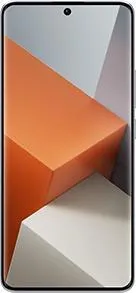
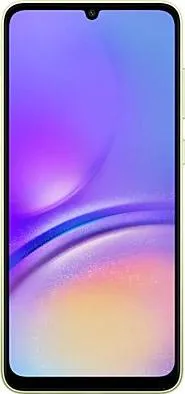
| Feature | Xiaomi Redmi Note 13 Pro+ | Samsung Galaxy A05 | Practical Impact |
|---|---|---|---|
| Design | |||
| Dimensions (mm) | 161.4 x 74.2 x 8.9 | 168.8 x 78.2 x 8.8 | The Redmi is slightly smaller and thinner, making it potentially more comfortable for one-handed use. |
| Weight (g) | 199 | 195 | Negligible weight difference in practical use. |
| Build | Not specified | Not specified | Build quality impact cannot be assessed without further information. |
| Display | |||
| Display Type | AMOLED, 68B colors, 120Hz, Dolby Vision, HDR10+ | PLS LCD | The Redmi's AMOLED display offers significantly better contrast, color accuracy, and HDR performance. The 120Hz refresh rate results in smoother animations and scrolling. |
| Size (inches) | 6.67 | 6.7 | Negligible size difference. |
| Resolution | 1220 x 2712 | 720 x 1600 | The Redmi boasts a much sharper display due to its significantly higher resolution. |
| Peak Brightness (nits) | 1800 | Not specified | The Redmi's 1800 nits peak brightness ensures excellent outdoor visibility. The A05's unspecified brightness limits comparison. |
| Performance | |||
| Chipset | Mediatek Dimensity 7200 Ultra (4 nm) | Mediatek Helio G85 (12 nm) | The Redmi's 7200 Ultra is a considerably more powerful and efficient chip, enabling smoother multitasking, better gaming performance, and improved battery life. |
| CPU | Octa-core (2x2.8 GHz Cortex-A715 & 6x2.0 GHz Cortex-A510) | Octa-core (2x2.0 GHz Cortex-A75 & 6x1.8 GHz Cortex-A55) | The Redmi's CPU architecture and higher clock speeds translate to a noticeable performance advantage in demanding tasks. |
| GPU | Mali-G610 MC4 | Mali-G52 MC2 | The Redmi's superior GPU provides significantly better graphics performance for gaming and visually intensive applications. |
| RAM | 8GB/12GB | 4GB/6GB | More RAM in the Redmi allows for more apps to run in the background and smoother multitasking. |
| Storage | 256GB/512GB | 128GB | Redmi offers larger storage options for users with greater media consumption needs. |
| Camera | |||
| Rear Camera | Not specified | Not specified | Camera quality comparison is impossible without detailed sensor and feature information. |
| Video | 4K@24/30fps (EIS), 1080p@30/60/120fps (EIS) | 1080p@30/60fps | The Redmi offers 4K video recording and potentially better stabilization (EIS at higher resolutions). |
| Battery | |||
| Capacity (mAh) | 5000 | 5000 | Similar battery capacity; however, real-world battery life will depend on software optimization and display efficiency. The Redmi's more efficient processor might lead to better battery life. |
| Other | |||
| NFC | Yes | No | NFC enables contactless payments and data transfer, a feature absent in the A05. |
| OS | Android 13 | Android 13 | Both run on the latest Android version, but long-term software updates are unknown. |
2. Key Differences Analysis
Redmi Note 13 Pro+ Advantages:
- Significantly superior display: AMOLED with higher resolution, refresh rate, and brightness.
- Much more powerful performance: Faster processor, GPU, and more RAM.
- Enhanced video recording capabilities: 4K recording and EIS at higher resolutions/frame rates.
- Includes NFC: Enables contactless payments.
Samsung Galaxy A05 Advantages:
- Lower price: Positioned in the low price range.
3. User Profiles & Recommendations
Redmi Note 13 Pro+: Users who prioritize performance, a high-quality display, and features like NFC. Ideal for gaming, media consumption, and multitasking.
Samsung Galaxy A05: Budget-conscious users who primarily need basic smartphone functionality for calling, texting, and light web browsing.
4. Decision Framework
Key Questions:
- What is your budget? The A05 is significantly cheaper.
- What are your performance needs? The Redmi offers a vastly superior performance experience.
- How important is display quality? The Redmi's display is a major differentiator.
Scenario-Based Recommendations:
- Limited budget: Samsung Galaxy A05
- Balanced needs: Redmi Note 13 Pro+
- Performance and media focused: Redmi Note 13 Pro+
My Choice: Xiaomi Redmi Note 13 Pro+
The Redmi Note 13 Pro+ offers a significantly better overall user experience due to its superior display, performance, and feature set. While the Samsung Galaxy A05 has a lower price point, the compromises in performance and display quality would be too significant for me. The Redmi's advantages in daily tasks, gaming, and media consumption outweigh the price difference, making it a much more compelling choice. The inclusion of NFC further strengthens its value proposition.
