
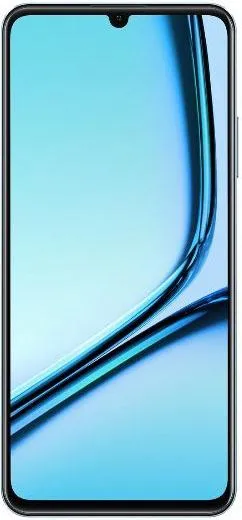
1. Specifications Comparison
| Feature | Xiaomi Redmi Note 13 Pro+ | Realme Note 50 | Practical Impact |
|---|---|---|---|
| Design | |||
| Dimensions | 161.4 x 74.2 x 8.9 mm | 167.2 x 76.7 x 8.0 mm | Redmi is slightly smaller and thinner. Realme might feel slightly larger in hand. |
| Weight | 199g | 186g | Realme is noticeably lighter, reducing hand fatigue during extended use. |
| Build Materials | Not specified | Not specified | Cannot compare build quality and durability. |
| Display | |||
| Size | 6.67" | 6.74" | Negligible size difference in real-world usage. |
| Type | AMOLED, 120Hz | IPS LCD, 90Hz | Redmi's AMOLED offers significantly better contrast, deeper blacks, and more vibrant colors. 120Hz provides smoother scrolling and animations compared to Realme's 90Hz. |
| Resolution | 1220 x 2712 (446 ppi) | 720 x 1600 (260 ppi) | Redmi's much higher resolution results in sharper text, images, and videos. Realme's lower resolution will appear pixelated, especially noticeable when reading text or viewing images. |
| Brightness | 1800 nits (peak) | 560 nits (peak) | Redmi will be significantly more visible in direct sunlight. Realme's screen might be difficult to see outdoors. |
| Performance | |||
| Chipset | Mediatek Dimensity 7200 Ultra (4 nm) | Unisoc Tiger T612 (12 nm) | Redmi's 7200 Ultra is significantly more powerful, enabling smoother multitasking, faster app loading, and better gaming performance. |
| CPU | Octa-core (2x2.8 GHz Cortex-A715 & 6x2.0 GHz Cortex-A510) | Octa-core (2x1.8 GHz Cortex-A75 & 6x1.8 GHz Cortex-A55) | Redmi's CPU offers superior performance in demanding tasks and gaming. |
| GPU | Mali-G610 MC4 | Mali-G57 | Redmi's GPU provides a significantly better gaming experience with higher frame rates and smoother graphics. |
| RAM/Storage | 8/512GB, 12/256GB, 12/512GB | 4/128GB | Redmi offers significantly more RAM and storage options, enabling smoother multitasking and ample space for apps and files. Realme's limited RAM and storage might lead to performance bottlenecks and storage constraints. |
| Camera | |||
| Rear Camera | Not specified | Not specified | Cannot compare camera quality and features. |
| Video | 4K@30fps, up to 1080p@120fps | 1080p@30fps | Redmi offers significantly better video recording capabilities with higher resolution and frame rates, including slow-motion recording. |
| Battery | |||
| Capacity | 5000 mAh | 5000 mAh | Similar battery capacities suggest comparable battery life, but real-world performance depends on optimization and usage patterns. |
| Charging | Not specified | Not specified | Cannot compare charging speeds. |
| Other | |||
| OS | Android 13 | Android 13 | Both run on Android 13, but long-term software updates are unknown due to missing "OS Max Version" for Realme. |
| NFC | Yes | No | Redmi supports contactless payments and data transfer via NFC. |
2. Key Differences Analysis
Redmi Note 13 Pro+ Advantages:
- Significantly superior display: AMOLED with higher resolution, refresh rate, and brightness.
- Much more powerful performance: Dimensity 7200 Ultra chipset and more RAM options.
- Enhanced video recording capabilities: 4K recording and slow-motion options.
- NFC support: Enables contactless payments.
Realme Note 50 Advantages:
- Lighter weight: More comfortable for extended use.
- Lower price: Offers a more budget-friendly option.
3. User Profiles & Recommendations
Redmi Note 13 Pro+: Ideal for users who prioritize performance, display quality, and features like NFC. Suitable for demanding tasks, gaming, media consumption, and mobile photography/videography.
Realme Note 50: Best suited for budget-conscious users who prioritize basic functionality and a lightweight design. Suitable for light tasks like browsing, social media, and calling.
4. Decision Framework
Key Questions for Buyers:
- What is your budget? The Realme is significantly cheaper.
- What are your primary use cases? Demanding tasks and gaming favor the Redmi.
- How important is display quality? The Redmi offers a vastly superior visual experience.
My Choice: Xiaomi Redmi Note 13 Pro+
While the Realme Note 50 offers a lower price point, the Xiaomi Redmi Note 13 Pro+ provides a significantly better overall user experience due to its vastly superior display, much more powerful performance, enhanced video capabilities, and inclusion of NFC. The slightly higher weight is a minor trade-off for the substantial gains in other areas. For a user who values a smooth, responsive phone with a great screen, the Redmi is the clear winner. The price difference is justified by the significant leap in quality and features. The Realme Note 50 might be acceptable for extremely budget-constrained users who only require basic functionality, but the Redmi offers a much more future-proof and enjoyable experience.
