
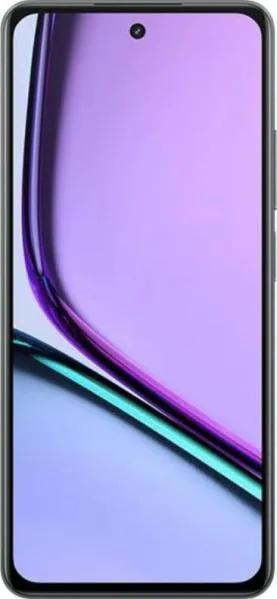
1. Specifications Comparison
| Feature | Xiaomi Redmi Note 13 Pro+ | Realme C67 | Practical Impact |
|---|---|---|---|
| Design | |||
| Dimensions | 161.4 x 74.2 x 8.9 mm | 165.7 x 76 x 7.9 mm | The Redmi is slightly shorter and narrower, potentially feeling more compact in hand. The Realme is slightly thinner. |
| Weight | 199g | 190g | Negligible weight difference in real-world usage. |
| Build Materials | Not specified | Not specified | Cannot compare build quality and feel without this information. |
| Display | |||
| Display Type | AMOLED, 68B colors, 120Hz, Dolby Vision, HDR10+ | IPS LCD, 120Hz | The Redmi's AMOLED display offers significantly better contrast, deeper blacks, and richer colors. Dolby Vision and HDR10+ support further enhance the viewing experience for compatible content. |
| Size | 6.67 inches | 6.72 inches | Negligible size difference. |
| Resolution | 1220 x 2712 (446 ppi) | 1080 x 2400 (392 ppi) | The Redmi has a much sharper display due to the higher resolution and pixel density, resulting in crisper text and images. |
| Peak Brightness | 1800 nits | 680 nits (HBM), 550 nits (typ) | The Redmi's vastly superior peak brightness ensures excellent outdoor visibility even in direct sunlight. The Realme's display might be harder to see outdoors. |
| Refresh Rate | 120Hz | 120Hz | Both phones offer smooth scrolling and animations thanks to the 120Hz refresh rate. |
| Performance | |||
| Chipset | Mediatek Dimensity 7200 Ultra (4 nm) | Mediatek Dimensity 6100+ (6 nm) | The Redmi's 7200 Ultra is a more powerful chipset, enabling smoother performance in demanding tasks and games. The 4nm manufacturing process also suggests better power efficiency. |
| CPU | Octa-core (2x2.8 GHz Cortex-A715 & 6x2.0 GHz Cortex-A510) | Octa-core (2x2.2 GHz Cortex-A76 & 6x2.0 GHz Cortex-A55) | The Redmi's CPU architecture and higher clock speeds translate to better multi-core performance. |
| GPU | Mali-G610 MC4 | Mali-G57 MC2 | The Redmi's GPU is more capable, delivering smoother gaming and graphics performance. |
| RAM/Storage | 8/512GB, 12/512GB, 12/256GB | 6/128GB | The Redmi offers more RAM and storage options, allowing for smoother multitasking and ample space for apps and files. |
| Camera | |||
| Rear Camera | Not specified | Not specified | Camera quality cannot be compared without detailed specifications. |
| Video | 4K@30fps, up to 1080p@120fps | 1080p@30fps | The Redmi offers significantly better video recording capabilities with higher resolution and frame rate options including slow-motion recording. |
| Battery | |||
| Capacity | 5000 mAh | 5000 mAh | Similar battery capacity suggests comparable battery life, although real-world usage may vary depending on other factors like display and chipset efficiency. |
| Other | |||
| NFC | Yes | No | The Redmi supports NFC for contactless payments and other functionalities. The Realme lacks NFC. |
| OS | Android 13 | Android 13 | Both run on the latest Android version. However, the Redmi guarantees updates up to Android 16. |
2. Key Differences Analysis
Redmi Note 13 Pro+ Advantages:
- Superior Display: Significantly brighter and sharper AMOLED display with HDR support.
- More Powerful Performance: Faster processor and GPU for demanding tasks and gaming.
- Enhanced Video Recording: Higher resolution and frame rates, slow-motion capabilities.
- More Storage and RAM Options: Provides greater flexibility and future-proofing.
- NFC Support: Enables contactless payments.
- Longer Software Support: Guaranteed updates until Android 16.
Realme C67 Advantages:
- Slightly Thinner and Lighter: Might be marginally more comfortable for some users.
- Potentially Lower Price: Given the lower specifications, it's likely to be more affordable.
Trade-offs:
The Realme C67 sacrifices performance, display quality, and features like NFC to achieve a potentially lower price point. The Redmi Note 13 Pro+ prioritizes a premium experience but may come at a higher cost.
3. User Profiles & Recommendations
Redmi Note 13 Pro+: Ideal for users who prioritize performance, a high-quality display, multimedia consumption, mobile gaming, and having the latest features like NFC.
Realme C67: Suitable for budget-conscious users who primarily use their phone for basic tasks like calling, texting, browsing, and social media, and don't require high-end features.
4. Decision Framework
Key Questions for Buyers:
- What is your budget? The Redmi Note 13 Pro+ will likely be more expensive.
- What are your primary phone usage patterns? For basic tasks, the Realme C67 might suffice. For demanding tasks and multimedia, the Redmi is better.
- Which features are most important to you? Consider display quality, performance, camera capabilities, and NFC support.
Scenario-Based Recommendations:
- Heavy gamer: Redmi Note 13 Pro+ for its powerful performance and smooth display.
- Budget-conscious student: Realme C67 for basic communication and web browsing.
- Photography enthusiast: Cannot recommend without camera specifications for both phones.
My Choice: Xiaomi Redmi Note 13 Pro+
The Redmi Note 13 Pro+ offers a significantly better overall package. The superior display, powerful performance, versatile camera features (assuming they are at least decent based on the video recording capabilities), and inclusion of NFC make it a more compelling device. While the price might be higher, the long-term value proposition is stronger due to better performance, longer software support, and a more enjoyable user experience. The slight differences in size and weight are negligible compared to the significant advantages in other areas. The Realme C67 might be a suitable option for extremely budget-constrained users, but the compromises are substantial.
