
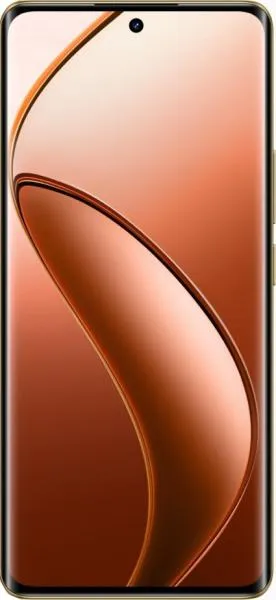
1. Specifications Comparison
| Feature | Xiaomi Redmi Note 13 Pro+ | Realme 12 Pro+ | Practical Impact |
|---|---|---|---|
| Design | |||
| Dimensions | 161.4 x 74.2 x 8.9 mm | 161.5 x 74 x 8.8 mm | Virtually identical in size and feel. |
| Weight | 199g | 196g | Negligible weight difference. |
| Display | |||
| Size | 6.67" | 6.7" | Negligible size difference. |
| Type | AMOLED, 68B colors, 120Hz, Dolby Vision, HDR10+ | AMOLED, 1B colors, 120Hz | Redmi boasts significantly better color accuracy and HDR support, leading to a more vibrant and dynamic viewing experience. |
| Resolution | 1220 x 2712 (446 ppi) | 1080 x 2412 (394 ppi) | Redmi's sharper display will result in crisper text and images. |
| Peak Brightness | 1800 nits | 950 nits | Redmi offers vastly superior outdoor visibility in direct sunlight. |
| Performance | |||
| Chipset | Mediatek Dimensity 7200 Ultra (4 nm) | Qualcomm Snapdragon 7s Gen 2 (4 nm) | Both are mid-range chipsets, but benchmarks suggest the Snapdragon 7s Gen 2 generally offers slightly better performance. Real-world differences might be minor for average users. |
| CPU | Octa-core (2x2.8 GHz Cortex-A715 & 6x2.0 GHz Cortex-A510) | Octa-core (4x2.40 GHz Cortex-A78 & 4x1.95 GHz Cortex-A55) | Different core architectures make direct comparison difficult without benchmarks. |
| GPU | Mali-G610 MC4 | Adreno 710 | Adreno 710 generally provides stronger gaming performance than the Mali-G610 MC4. |
| RAM/Storage | 8/256GB, 12/256GB, 12/512GB | 8/256GB | Redmi offers more RAM options for better multitasking. |
| Battery | |||
| Capacity | 5000 mAh | 5000 mAh | Identical battery capacity; real-world battery life depends on optimization and usage. |
| Software | |||
| OS | Android 13, upgradable to 16 | Android 14 | Realme launches with a newer Android version, but Redmi has a longer confirmed update cycle. |
| Camera | Not enough information provided for detailed comparison | Not enough information provided for detailed comparison | We need camera sensor details, aperture, and features for comparison. |
2. Key Differences Analysis
Redmi Note 13 Pro+ Advantages:
- Superior Display: Significantly brighter and sharper with wider color gamut and HDR support. This provides a noticeably better viewing experience.
- More RAM Options: Offers configurations with up to 12GB RAM for smoother multitasking.
- Longer Software Support: Confirmed updates up to Android 16.
Realme 12 Pro+ Advantages:
- Potentially Better Performance: Snapdragon 7s Gen 2 might offer slightly better overall and gaming performance.
- Newer Android Version: Ships with Android 14 out of the box.
3. User Profiles & Recommendations
Redmi Note 13 Pro+: Ideal for users who prioritize display quality, consume lots of media, and value long-term software updates.
Realme 12 Pro+: Suitable for users who prioritize performance, want the latest Android version out of the box, and are less concerned about display quality nuances.
4. Decision Framework
Key Questions for Buyers:
- How important is display quality? A significantly brighter and sharper display makes the Redmi a better choice for media consumption and outdoor use.
- What is your budget and required storage? Consider RAM and storage needs. Redmi offers more options.
- How long do you plan to keep your phone? Redmi's longer software support makes it a better long-term investment.
My Choice: Xiaomi Redmi Note 13 Pro+
While the Realme 12 Pro+ might offer slightly better performance, the significantly superior display of the Redmi Note 13 Pro+ is the deciding factor for me. The brighter screen, higher resolution, and HDR support would provide a much more enjoyable experience for everyday use, especially media consumption and outdoor visibility. The longer software update commitment also aligns with my preference for long-term device usage. The marginal performance difference of the Realme wouldn't outweigh the substantial benefits of the Redmi's display for my personal needs.
