
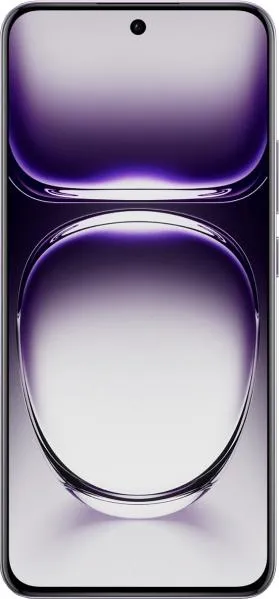
1. Specifications Comparison
| Feature | Category | Xiaomi Redmi Note 13 Pro+ | Oppo Reno12 Pro | Practical Impact |
|---|---|---|---|---|
| Dimensions | Design | 161.4 x 74.2 x 8.9 mm | 161.5 x 74.8 x 7.4 mm | The Oppo is slightly thinner and marginally wider. Negligible difference in daily use. |
| Weight | Design | 199g | 180g | The Oppo is noticeably lighter, improving one-handed use and reducing pocket bulk. |
| Display Size | Display | 6.67" | 6.7" | Virtually identical screen sizes. |
| Display Type | Display | AMOLED, 68B colors, 120Hz, Dolby Vision, HDR10+ | AMOLED, 1B colors, 120Hz, HDR10+ | Both offer smooth 120Hz AMOLED displays. The Redmi boasts a wider color gamut (68B vs 1B) potentially offering more vibrant visuals, especially noticeable in HDR content with Dolby Vision support. |
| Resolution | Display | 1220 x 2712 (446 ppi) | 1080 x 2412 (394 ppi) | The Redmi packs a significantly sharper display due to the higher resolution and pixel density. Text and images will appear crisper. |
| Peak Brightness | Display | 1800 nits | 1200 nits | The Redmi's substantially higher peak brightness ensures better visibility in direct sunlight. |
| Chipset | Performance | Mediatek Dimensity 7200 Ultra (4 nm) | Mediatek Dimensity 7300 Energy (4 nm) | Both use a 4nm process, suggesting similar power efficiency. The "Ultra" branding on the Redmi's chip suggests a potential performance advantage, though benchmarks would be needed to confirm. |
| CPU | Performance | Octa-core (2x2.8 GHz Cortex-A715 & 6x2.0 GHz Cortex-A510) | Octa-core (4x2.5 GHz Cortex-A78 & 4x2.0 GHz Cortex-A55) | The architectural differences (Cortex-A715 vs A78) make a direct comparison difficult without benchmarks. The Oppo's CPU configuration suggests a better balance between performance and efficiency. |
| GPU | Performance | Mali-G610 MC4 | Mali-G615 MC2 | The Redmi's GPU might offer slightly better gaming performance, but the difference is likely minimal. Real-world gaming tests are necessary for a definitive comparison. |
| RAM/Storage | Performance | 8GB/512GB, 12GB/256GB, 12GB/512GB | 12GB/512GB | The Redmi offers more RAM and storage configurations, providing flexibility for different budgets and needs. |
| Battery Capacity | Battery | 5000 mAh | 5000 mAh | Identical battery capacities suggest similar battery life, though real-world usage can vary significantly based on software optimization and user habits. |
| OS | Software | Android 13 | Android 14 | The Oppo ships with a newer Android version, potentially offering more features and longer software support. |
| Video Capabilities | Camera | 4K@30fps (EIS) | 4K@30fps (HDR, OIS, EIS), up to 960fps slow-mo | Both record 4K video. The Oppo has Optical Image Stabilization (OIS) for potentially smoother videos and offers significantly higher frame rates for slow-motion capture. No information on Redmi's sensor size or megapixels is provided, limiting camera comparison. |
2. Key Differences Analysis
Redmi Note 13 Pro+ Advantages:
- Sharper Display: Higher resolution and pixel density for crisper visuals.
- Brighter Display: Superior outdoor visibility.
- Potentially More Powerful Chipset: "Ultra" branding suggests a performance edge, but requires confirmation.
- More Storage Options: Greater flexibility for users.
- Wider Color Gamut: Potentially richer colors and Dolby Vision support.
Oppo Reno12 Pro Advantages:
- Lighter and Thinner: More comfortable to hold and carry.
- Newer Android Version: Latest features and longer software support.
- Superior Video Stabilization: OIS enables smoother video recording.
- High Frame Rate Slow Motion: Captures impressive slow-motion footage.
3. User Profiles & Recommendations
Redmi Note 13 Pro+: Ideal for users prioritizing display quality, consuming media, and seeking a potentially more powerful device. The various storage options cater to different needs and budgets.
Oppo Reno12 Pro: Suits users who value a lightweight and sleek design, desire the latest Android features, and prioritize video recording capabilities.
4. Decision Framework
Key Questions for Buyers:
- Is display quality paramount? The Redmi excels here.
- Is video recording a priority? The Oppo offers OIS and high frame rate slow-motion.
- How important is having the latest software and a lighter phone? The Oppo leads in these areas.
My Choice:
I would choose the Xiaomi Redmi Note 13 Pro+. While the Oppo Reno12 Pro offers a lighter design and newer OS, the Redmi's significantly superior display (higher resolution, brightness, wider color gamut with Dolby Vision) is a deciding factor for me. I prioritize screen quality for media consumption and daily use. The potentially more powerful chipset, though needing benchmark confirmation, further reinforces my choice. The lack of OIS on the Redmi is a drawback, but the overall display experience outweighs it for my personal preferences. Finally, having more storage configuration options provides greater flexibility.
