1. Specifications Comparison
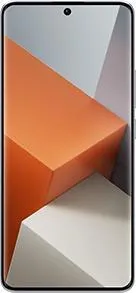
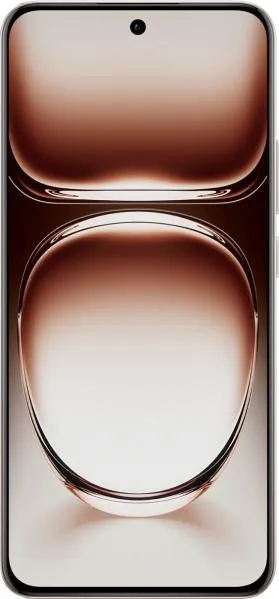
| Feature | Xiaomi Redmi Note 13 Pro+ | Oppo Reno12 | Practical Impact |
|---|---|---|---|
| Design | |||
| Dimensions | 161.4 x 74.2 x 8.9 mm | 161.4 x 74.1 x 7.6 mm | Virtually identical height and width, but the Reno12 is noticeably thinner. This impacts pocketability and grip. |
| Weight | 199g | 177g | The Reno12 is significantly lighter, making it more comfortable for extended use. |
| Display | |||
| Size | 6.67" | 6.7" | Negligible difference in screen real estate. |
| Type | AMOLED, 68B colors, 120Hz, Dolby Vision, HDR10+ | AMOLED, 1B colors, 120Hz, HDR10+ | Both offer smooth 120Hz AMOLED displays. However, the Redmi Note 13 Pro+'s 68B color depth and Dolby Vision support should result in significantly richer and more accurate colors, especially noticeable in HDR content. |
| Resolution | 1220 x 2712 | 1080 x 2412 | Higher resolution on the Redmi Note 13 Pro+ leads to sharper text and images (446 ppi vs 394 ppi). |
| Peak Brightness | 1800 nits | 1200 nits | The Redmi Note 13 Pro+ can get much brighter, making it more usable in direct sunlight. |
| Performance | |||
| Chipset | Mediatek Dimensity 7200 Ultra (4 nm) | Mediatek Dimensity 7300 Energy (4 nm) | Both are 4nm chips, but benchmarks would be needed to determine real-world performance differences. The "Energy" designation suggests the 7300 might prioritize efficiency over raw power. |
| CPU | Octa-core (2x2.8 GHz Cortex-A715 & 6x2.0 GHz Cortex-A510) | Octa-core (4x2.5 GHz Cortex-A78 & 4x2.0 GHz Cortex-A55) | Different core architectures make direct comparison difficult without benchmarks. The Reno12's Cortex-A78 cores are generally more powerful than the A715 cores. |
| GPU | Mali-G610 MC4 | Mali-G615 MC2 | Difficult to compare without benchmarks, but the G615 generally offers better performance. |
| RAM/Storage | 8/512GB, 12/256GB, 12/512GB | 12/512GB | Redmi offers more RAM/Storage configuration options, catering to different budget and storage needs. |
| Camera | |||
| Video Capabilities | 4K@24/30fps (EIS), 1080p@30/60/120fps (EIS) | 4K@30fps (HDR, OIS, EIS), 1080p@30/60/120/480fps (HDR, OIS, EIS), 720p@960fps | The Reno12 boasts OIS (optical image stabilization) for potentially smoother video recording and higher frame rate options for slow-motion. Specific sensor details and image quality comparisons are needed for a comprehensive analysis. |
| Battery | |||
| Capacity | 5000 mAh | 5000 mAh | Identical battery capacity. Real-world battery life depends on software optimization and usage patterns. |
2. Key Differences Analysis
Redmi Note 13 Pro+ Advantages:
- Superior Display: Brighter, higher resolution, and wider color gamut for a better visual experience.
- More Affordable: Potentially lower price with more storage/RAM configurations.
Oppo Reno12 Advantages:
- Lighter and Thinner: More comfortable to hold and carry.
- Potentially Better Performance: Newer CPU architecture and GPU in the Dimensity 7300 could result in better performance, though this needs benchmarking to confirm.
- Video Stabilization: OIS in the Reno12 should provide significantly smoother video recording compared to EIS alone.
3. User Profiles & Recommendations
Redmi Note 13 Pro+: Users prioritizing display quality, affordability, and a wider range of storage options. Ideal for media consumption, gaming (depending on benchmark results), and everyday use.
Oppo Reno12: Users who value a lightweight and slim design, prioritize video recording quality, and prefer the latest Android version. Suitable for content creators, vloggers, and users who value portability and comfortable one-handed use.
4. Decision Framework
Key Questions for Buyers:
- How important is display quality? Prioritize the Redmi Note 13 Pro+ for a superior visual experience.
- Do you frequently record videos? The Reno12's OIS makes it a better choice for video recording.
- What's your budget and desired storage capacity? The Redmi Note 13 Pro+ offers more flexibility in configurations.
My Choice: Oppo Reno12
While the Redmi Note 13 Pro+ boasts a stunning display, the Oppo Reno12's lighter weight, slimmer profile, and OIS for video recording are more compelling to me. I value comfortable one-handed use and often capture videos, making the Reno12 a better fit for my personal needs. The potentially improved performance of the Dimensity 7300 and the latest Android version are also attractive factors. Though the Redmi Note 13 Pro+'s display is impressive, I prioritize ergonomics and video stability in my daily usage. The difference in resolution wouldn't be a deal breaker for me. Ultimately, this is a subjective choice based on individual priorities.
