1. Specifications Comparison
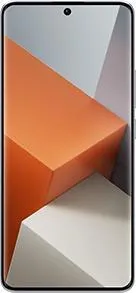
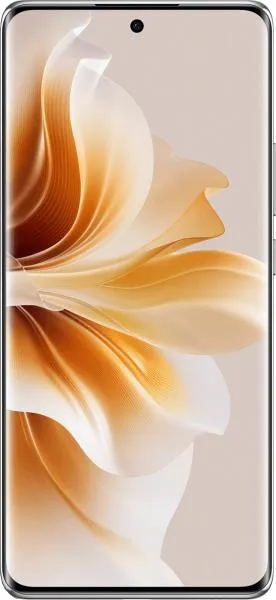
| Feature | Xiaomi Redmi Note 13 Pro+ | Oppo Reno11 | Practical Impact |
|---|---|---|---|
| Design | |||
| Dimensions (mm) | 161.4 x 74.2 x 8.9 | 162.4 x 74.3 x 7.9 | Redmi is slightly shorter, narrower but thicker. Negligible difference in daily use. |
| Weight (g) | 199 | 182 | Oppo is noticeably lighter, improving one-handed use and reducing pocket bulk. |
| Display | |||
| Size (inches) | 6.67 | 6.7 | Virtually identical screen sizes. |
| Type | AMOLED, 120Hz | AMOLED, 120Hz | Both offer smooth scrolling and vibrant colors thanks to AMOLED and 120Hz. |
| Resolution | 1220 x 2712 | 1080 x 2412 | Redmi has a significantly sharper display (446 ppi vs 394 ppi), resulting in crisper text and images. |
| Peak Brightness (nits) | 1800 | 950 | Redmi gets much brighter, ensuring better outdoor visibility. |
| Color Depth | 68B | 1B | Redmi supports a wider color gamut, potentially offering more nuanced colors. However, the discernable difference in real-world usage might be minimal for most users. |
| Performance | |||
| Chipset | Mediatek Dimensity 7200 Ultra (4 nm) | Mediatek Dimensity 7050 (6 nm) | Redmi's 4nm process suggests better power efficiency. 7200 Ultra is generally considered a more powerful chip than the 7050. |
| CPU | Octa-core (2x2.8 GHz Cortex-A715 & 6x2.0 GHz Cortex-A510) | Octa-core (2x2.6 GHz Cortex-A78 & 6x2.0 GHz Cortex-A55) | While both have similar core configurations, architectural differences (A715 vs A78) exist. Benchmarking is needed for definitive performance comparison. |
| GPU | Mali-G610 MC4 | Mali-G68 MC4 | G68 generally offers better graphical performance than the G610. Requires real-world gaming comparisons for accurate assessment. |
| RAM/Storage | 8/512GB, 12/256GB, 12/512GB | 12/256GB | Redmi offers more RAM/storage configurations, providing flexibility for different needs. |
| Battery | |||
| Capacity (mAh) | 5000 | 5000 | Identical battery capacities. Real-world battery life will depend on software optimization and usage patterns. |
| Camera | |||
| Video Capabilities | 4K@24/30fps (EIS), 1080p@30/60/120fps (EIS) | 4K@30fps (EIS), 1080p@30/60/120/480fps (EIS), 720p@960fps(EIS) | Both offer good video stabilization (EIS). Oppo supports higher slow-motion recording (480fps & 960fps). Detailed camera sensor specifications are missing to make a comprehensive comparison. |
2. Key Differences Analysis
Redmi Note 13 Pro+ Advantages:
- Sharper Display: Significantly higher pixel density for a crisper viewing experience.
- Brighter Display: Much higher peak brightness for better outdoor visibility.
- More Powerful Chipset (Potentially): Dimensity 7200 Ultra on a 4nm process suggests better performance and power efficiency, but needs benchmarking confirmation.
- More Storage Options: Offers greater flexibility in choosing storage capacity.
Oppo Reno11 Advantages:
- Lighter Weight: Noticeably lighter, improving handling comfort.
- More Recent OS: Launches with Android 14, likely offering newer features and longer software support.
- Superior Slow-motion Video: Supports higher frame rates for slow-motion capture.
3. User Profiles & Recommendations
Redmi Note 13 Pro+: Ideal for users prioritizing display quality, performance (potentially), and who consume a lot of media.
Oppo Reno11: Suitable for users who value a lightweight phone, desire the latest software features, and frequently record slow-motion videos.
4. Decision Framework
Key Questions for Buyers:
- Is display quality a top priority? If yes, the Redmi's sharper and brighter screen is a strong advantage.
- How important is software updates and new OS features? If this is crucial, the Oppo's Android 14 gives it an edge.
- Is having the absolute best performance critical, or is good enough sufficient? The Redmi likely has a performance edge, but real-world differences might not be substantial for average users. Benchmarking is needed for a clear conclusion.
My Choice: Xiaomi Redmi Note 13 Pro+
Reasoning:
While the Oppo Reno11 offers a lighter design and newer OS, the Redmi Note 13 Pro+'s superior display (sharpness and brightness) and potentially more powerful chipset are more compelling to me. I prioritize a great visual experience and smooth performance for everyday tasks and media consumption. The weight difference, while noticeable, isn't a deal-breaker for me. The slightly older Android version on the Redmi can likely be mitigated with future updates. Finally, the broader range of storage options in the Redmi allows for better customization based on individual needs. The lack of detailed camera specifications makes a complete judgment difficult, but based on available information, the Redmi's advantages outweigh the Oppo's for my personal preferences.
