1. Specifications Comparison
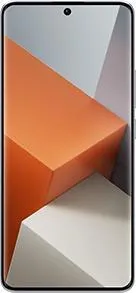
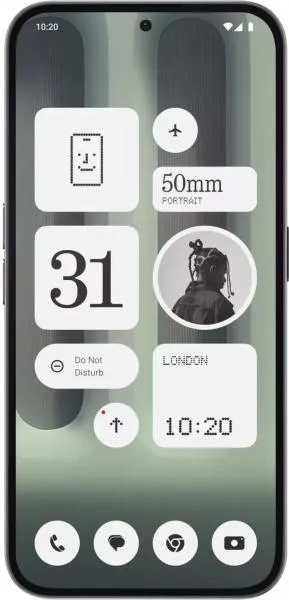
| Feature | Xiaomi Redmi Note 13 Pro+ | Nothing Phone (2a) Plus | Practical Impact |
|---|---|---|---|
| Design | |||
| Dimensions (mm) | 161.4 x 74.2 x 8.9 | 161.7 x 76.3 x 8.5 | The Nothing Phone (2a) Plus is slightly wider and taller, but thinner. Real-world difference in hand feel might be minimal, but the Redmi is marginally more pocketable. |
| Weight (g) | 199 | 190 | The Nothing Phone (2a) Plus is slightly lighter, potentially more comfortable for extended use. |
| Colors | Midnight Black, Moonlight White, Aurora Purple, Fushion Purple, Camo Green | Black, Grey | More color options available with the Redmi. Purely a matter of personal preference. |
| Display | |||
| Size (inches) | 6.67 | 6.7 | Negligible difference in screen real estate. |
| Type | AMOLED, 68B colors, 120Hz, Dolby Vision, HDR10+ | AMOLED, 1B colors, 120Hz, HDR10+ | Both offer smooth 120Hz AMOLED displays. The Redmi boasts a wider color gamut (68B vs 1B) and Dolby Vision support, potentially resulting in more vibrant and accurate colors, especially noticeable in HDR content. |
| Resolution | 1220 x 2712 | 1080 x 2412 | The Redmi has a significantly sharper display (446 ppi vs 395 ppi). Text and images will appear crisper and more detailed. |
| Peak Brightness (nits) | 1800 | 1300 | The Redmi offers significantly higher peak brightness, improving outdoor visibility and HDR impact. |
| Performance | |||
| Chipset | Mediatek Dimensity 7200 Ultra (4 nm) | Mediatek Dimensity 7350 Pro (4 nm) | Both use 4nm chipsets, indicating comparable power efficiency. Benchmarking scores would be needed to determine definitive performance differences, but based on the CPU clock speeds, the Redmi might offer a slight edge in demanding tasks. |
| CPU | Octa-core (2x2.8 GHz Cortex-A715 & 6x2.0 GHz Cortex-A510) | Octa-core (2x3.0 GHz Cortex-A715 & 6x 2.0 GHz Cortex-A510) | While the Nothing Phone has a slightly higher clock speed on its performance cores (3.0 GHz vs 2.8 GHz), the overall performance difference is likely to be minimal in everyday use. |
| GPU | Mali-G610 MC4 | Mali-G610 MC4 | Same GPU. Gaming performance should be similar. |
| RAM/Storage | 8GB/512GB, 12GB/512GB, 12GB/256GB | 12GB/256GB | The Redmi offers more RAM and storage configurations, catering to diverse needs and budgets. |
| Battery | |||
| Capacity (mAh) | 5000 | 5000 | Identical battery capacity. Real-world battery life will depend on software optimization and usage patterns. |
| Software | |||
| OS | Android 13 | Android 14 | The Nothing Phone ships with a newer Android version, potentially offering newer features and longer software support. |
2. Key Differences Analysis
Redmi Note 13 Pro+ Advantages:
- Sharper, brighter display: Higher resolution and peak brightness deliver a superior visual experience.
- Potentially slightly faster CPU: Might offer a slight edge in demanding tasks.
- More storage and RAM options: Caters to a wider range of user needs.
- Wider color gamut and Dolby Vision: Potentially richer and more accurate colors for media consumption.
Nothing Phone (2a) Plus Advantages:
- Newer Android Version: Potentially longer software support and newer features out of the box.
- Slightly lighter: More comfortable for extended use.
3. User Profiles & Recommendations
Redmi Note 13 Pro+: Ideal for users who prioritize display quality, performance for demanding tasks, and require flexible storage options. Excellent for media consumption, mobile gaming, and multitasking.
Nothing Phone (2a) Plus: Suitable for users who value a clean software experience with the latest Android features and prioritize a lightweight design. Good for everyday tasks, social media, and casual gaming.
4. Decision Framework
Key Questions for Buyers:
- How important is display quality? If a sharp, bright, and color-accurate display is paramount, the Redmi is the clear winner.
- What is your budget and storage needs? The Redmi offers more storage and RAM options at potentially lower price points.
- How important is software updates and longevity? The Nothing Phone, running Android 14, will likely receive longer software support.
My Choice: Xiaomi Redmi Note 13 Pro+
While the Nothing Phone (2a) Plus offers a newer Android version and a slightly lighter build, the Redmi Note 13 Pro+'s superior display, potential performance edge, more versatile storage options and Dolby Vision support make it the more compelling device for me. I prioritize display quality and performance, and the Redmi delivers significantly in these areas. The difference in OS version is less crucial to me than the day-to-day experience offered by the screen and potential performance difference. The broader range of color options is a nice bonus too.
