1. Specifications Comparison
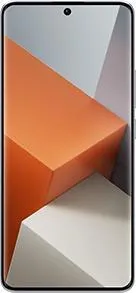
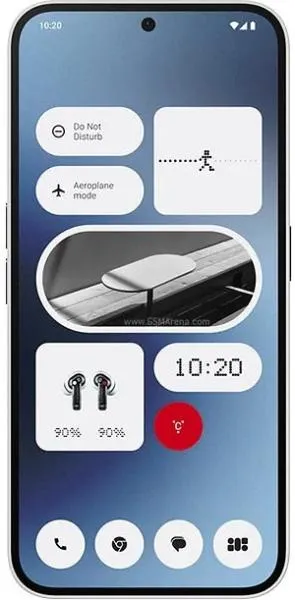
| Feature | Xiaomi Redmi Note 13 Pro+ | Nothing Phone (2a) | Practical Impact |
|---|---|---|---|
| Design | |||
| Dimensions (mm) | 161.4 x 74.2 x 8.9 | 161.7 x 76.3 x 8.6 | The Nothing Phone (2a) is slightly taller and wider but marginally thinner. Real-world difference in hand feel would be minimal. |
| Weight (g) | 199 | 190 | The Nothing Phone (2a) is slightly lighter, potentially more comfortable for extended use. |
| Display | |||
| Size (inches) | 6.67 | 6.7 | Negligible size difference. |
| Type | AMOLED, 68B colors, 120Hz, Dolby Vision, HDR10+ | AMOLED, 1B colors, 120Hz, HDR10+ | Both offer smooth 120Hz AMOLED displays. The Redmi Note 13 Pro+ boasts a wider color gamut (68B vs 1B) and Dolby Vision support, potentially resulting in more vibrant and accurate colors, especially noticeable in HDR content. |
| Resolution | 1220 x 2712 | 1080 x 2412 | The Redmi Note 13 Pro+ has a sharper display (446 ppi vs 394 ppi). Text and images will appear crisper. |
| Peak Brightness (nits) | 1800 | 1300 | The Redmi Note 13 Pro+ offers significantly higher peak brightness, ensuring better visibility in direct sunlight. |
| Performance | |||
| Chipset | Mediatek Dimensity 7200 Ultra (4 nm) | Mediatek Dimensity 7200 Pro (4 nm) | Both use similar chipsets, but the "Ultra" variant in the Redmi might offer slightly better performance in demanding tasks and gaming. Real-world differences might be minimal for average users. |
| CPU | Octa-core (2x2.8 GHz Cortex-A715 & 6x2.0 GHz Cortex-A510) | Octa-core (2x2.8 GHz Cortex-A715 & 6x 2.0 Cortex-A510) | CPUs are practically identical. |
| GPU | Mali-G610 MC4 | Mali-G610 MC4 | Identical GPUs. Gaming performance should be comparable. |
| RAM/Storage | 8/512GB, 12/256GB, 12/512GB | 12/256GB | Redmi offers more RAM and storage configurations, catering to a broader range of needs and budgets. |
| Battery | |||
| Capacity (mAh) | 5000 | 5000 | Identical battery capacities. Actual battery life will depend on software optimization and usage patterns. |
| Software | |||
| OS | Android 13 | Android 14 | The Nothing Phone (2a) ships with a newer Android version, potentially offering newer features and longer software support. |
2. Key Differences Analysis
Redmi Note 13 Pro+ Advantages:
- Brighter, sharper display: Superior brightness and resolution enhance outdoor visibility and media consumption.
- More storage options: Provides flexibility for users with varying storage needs.
- Potentially slightly better performance: The Dimensity 7200 Ultra may offer a marginal performance edge.
Nothing Phone (2a) Advantages:
- Newer Android version: Android 14 offers the latest features and potentially longer software updates.
- Slightly lighter and thinner: Minor design advantage for portability and comfort.
3. User Profiles & Recommendations
Redmi Note 13 Pro+: Ideal for users prioritizing display quality, requiring ample storage, and seeking a potentially more powerful device for demanding tasks. Excellent for media consumption, mobile gaming, and productivity.
Nothing Phone (2a): Suitable for users who value a clean software experience with the latest Android features, prefer a slightly lighter phone, and don't need the absolute best display brightness or resolution. Good for everyday use, social media, and moderate gaming.
4. Decision Framework
Key Questions for Buyers:
- How important is display quality? Prioritize the Redmi Note 13 Pro+ if you value a brighter, sharper display.
- Do you need a lot of storage? The Redmi Note 13 Pro+ offers more storage options.
- How much do you value the latest software? The Nothing Phone (2a) comes with Android 14.
My Choice: Xiaomi Redmi Note 13 Pro+
While the Nothing Phone (2a) offers the latest Android version, the Redmi Note 13 Pro+'s superior display is a deciding factor for me. The significantly higher peak brightness and sharper resolution enhance everyday usability, especially outdoors. The potential performance advantage and wider storage options further solidify my preference. Although Android 14 is appealing, the display improvements on the Redmi Note 13 Pro+ offer a more tangible and consistently noticeable benefit in day-to-day use. The marginal weight and thickness difference between the two phones is less significant to me than the screen quality.
