1. Specifications Comparison
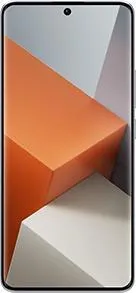
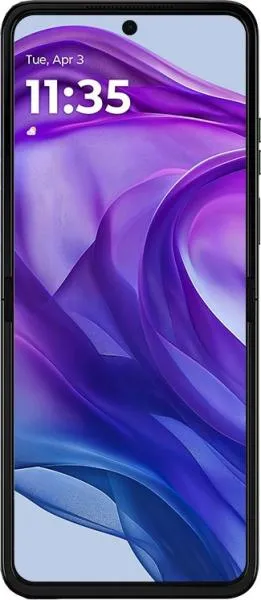
| Feature | Xiaomi Redmi Note 13 Pro+ | Motorola Razr 50 Ultra | Practical Impact |
|---|---|---|---|
| Design | |||
| Dimensions | 161.4 x 74.2 x 8.9 mm | 171.4 x 74 x 7.1 mm (folded) | Razr 50 Ultra significantly more compact when folded, easier pocketability. Note 13 Pro+ thinner when unfolded. |
| Weight | 199g | 189g | Razr 50 Ultra slightly lighter despite folding mechanism. |
| Foldable | No | Yes | Razr's foldable design offers unique portability and a smaller external display for quick interactions. |
| Display | |||
| Size | 6.67" | 6.9" (main), ~3.6" (external) | Razr offers larger main display but smaller when folded; external display allows quick checks without unfolding. |
| Type | AMOLED, 120Hz | Foldable LTPO AMOLED, 165Hz | Razr's LTPO panel potentially offers better power efficiency with variable refresh rate. Higher refresh rate provides smoother animations. Foldable display introduces crease considerations. |
| Resolution | 1220 x 2712 | 1080 x 2640 (main) | Note 13 Pro+ higher resolution leads to sharper text and images. |
| Peak Brightness | 1800 nits | 3000 nits | Razr's significantly higher brightness ensures better outdoor visibility. |
| Performance | |||
| Chipset | Mediatek Dimensity 7200 Ultra | Qualcomm Snapdragon 8+ Gen 1 | Snapdragon 8+ Gen 1 generally offers flagship-level performance, likely outperforming the Dimensity 7200 Ultra in demanding tasks and gaming. |
| CPU | Octa-core (2x2.8 GHz Cortex-A715 & 6x2.0 GHz Cortex-A510) | Octa-core (1x3.0 GHz Cortex-X4 & 4x2.8 GHz Cortex-A720 & 3x2.0 GHz Cortex-A520) | Razr's CPU architecture suggests superior performance, especially in single-core tasks. |
| GPU | Mali-G610 MC4 | Adreno 735 | Adreno 735 generally provides better gaming and graphics performance compared to Mali-G610 MC4. |
| RAM/Storage | 8/12GB RAM, up to 512GB | 12GB RAM, 256GB | Note 13 Pro+ offers more storage options, while Razr has more RAM in its single configuration. |
| Battery | |||
| Capacity | 5000 mAh | 3800 mAh | Note 13 Pro+ has significantly larger battery capacity, potentially leading to longer battery life. |
| Camera | No camera specs available for comparison | No camera specs available for comparison | Cannot compare camera performance without detailed specifications. |
2. Key Differences Analysis
Xiaomi Redmi Note 13 Pro+ Advantages:
- Larger Battery: Potentially significantly longer battery life.
- Higher Resolution Display: Sharper visuals for text and images.
- More Storage Options: Flexibility for users needing ample storage.
Motorola Razr 50 Ultra Advantages:
- Foldable Design: Unique portability and form factor.
- More Powerful Chipset: Superior performance for demanding tasks and gaming.
- Brighter Display: Excellent outdoor visibility.
- Faster Refresh Rate: Smoother user experience.
- External Display: Convenient for quick interactions.
Trade-offs:
- Razr 50 Ultra: Smaller battery capacity for its powerful hardware and foldable design. Higher price point for foldable technology. Potential durability concerns associated with foldable displays.
- Note 13 Pro+: Less powerful processor compared to the Razr. Lower peak brightness.
3. User Profiles & Recommendations
Xiaomi Redmi Note 13 Pro+: Ideal for users prioritizing battery life, sharp display, and ample storage on a budget. Suitable for everyday tasks, media consumption, and light gaming.
Motorola Razr 50 Ultra: Suitable for users who value portability and a unique form factor above all else, and are willing to pay a premium. Appealing to those who want a powerful device for productivity and entertainment on the go.
4. Decision Framework
Key Questions for Buyers:
- How important is portability and form factor? Prioritize Razr if pocketability and a unique design are crucial.
- What is your budget and performance requirement? Razr offers flagship performance at a premium price, while Note 13 Pro+ balances performance and affordability.
- How important is battery life? Note 13 Pro+ likely offers longer battery life due to its larger battery capacity.
Scenario-Based Recommendations:
- Heavy user needing top-tier performance and willing to compromise on battery life for portability: Razr 50 Ultra
- User prioritizing battery life, a large screen, and value for money: Note 13 Pro+
My Choice: Xiaomi Redmi Note 13 Pro+
While the Razr 50 Ultra is a fascinating device with its foldable design and powerful performance, the Xiaomi Redmi Note 13 Pro+ better suits my needs. I prioritize battery life and a sharp, large display for media consumption. The Note 13 Pro+ excels in these areas and offers excellent value for its price. I'm also not fully convinced about the long-term durability of foldable phones. The Dimensity 7200 Ultra, while not as powerful as the Snapdragon 8+ Gen 1, is still more than capable of handling my daily tasks and some light gaming. The significantly larger battery capacity of the Note 13 Pro+ is a major deciding factor for me, as I often use my phone for extended periods throughout the day. The higher resolution also appeals to me for consuming media. While the Razr's foldable design is innovative, it's not a feature I prioritize over practicality and battery life.
