1. Specifications Comparison
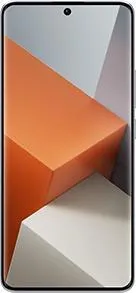
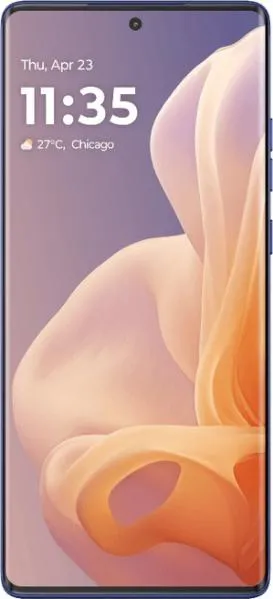
| Feature | Xiaomi Redmi Note 13 Pro+ | Motorola Moto G85 | Practical Impact | |
|---|---|---|---|---|
| Design | ||||
| Dimensions (mm) | 161.4 x 74.2 x 8.9 | 161.9 x 73.1 x 7.6 | Moto G85 is slightly thinner and lighter, potentially more comfortable for one-handed use. | |
| Weight (g) | 199 | 171 | Noticeable difference in weight; Moto G85 will feel less bulky. | |
| Display | ||||
| Size (inches) | 6.67 | 6.67 | Same size, no practical difference. | |
| Type | AMOLED, 68B colors | P-OLED, 1B colors | Redmi's AMOLED with a wider color gamut offers potentially richer, more vibrant visuals. | |
| Resolution | 1220 x 2712 | 1080 x 2400 | Significantly sharper and more detailed visuals on the Redmi due to higher pixel density (446 vs 395 ppi). | |
| Refresh Rate (Hz) | 120 | 120 | Both offer smooth scrolling and animations. | |
| Peak Brightness (nits) | 1800 | 1600 | Redmi offers better visibility in bright sunlight. | |
| Performance | ||||
| Chipset | Mediatek Dimensity 7200 Ultra (4 nm) | Qualcomm Snapdragon 6s Gen 3 (6 nm) | Dimensity 7200 Ultra is expected to provide significantly better performance in demanding tasks and gaming. | |
| CPU | Octa-core (2x2.8 GHz Cortex-A715 & 6x2.0 GHz Cortex-A510) | Octa-core (2x2.3 GHz Cortex-A78 & 6x2.0 GHz Cortex-A55) | Redmi's CPU configuration suggests a performance advantage, especially in multi-core tasks. | |
| GPU | Mali-G610 MC4 | Adreno 619 | Redmi likely offers superior graphics performance for gaming. | |
| RAM/Storage | 8/512GB, 12/256GB, 12/512GB | 12/256GB | Redmi offers more RAM and storage configuration options. | |
| Camera | ||||
| Video Capabilities | 4K@24/30fps (EIS), 1080p@30/60/120fps (EIS) | 1080p@30/60fps | Redmi offers 4K video recording and higher frame rate options for slow-motion video, along with Electronic Image Stabilization (EIS) at various resolutions. No information on EIS is available for the Moto G85. | Missing detailed camera specs limit comprehensive comparison. |
| Battery | ||||
| Capacity (mAh) | 5000 | 5000 | Similar battery capacity, expected similar battery life, although real-world usage may vary due to different chipsets and software optimization. | |
| Software | ||||
| OS | Android 13 | Android 14 | Moto G85 comes with a newer Android version out of the box. Redmi's maximum supported version is Android 16, implying longer software support. |
2. Key Differences Analysis
Redmi Note 13 Pro+ Advantages:
- Superior Display: Higher resolution, brighter, wider color gamut. Sharper, more vibrant visuals.
- Significantly Better Performance: More powerful chipset and CPU/GPU for smoother multitasking, demanding apps, and gaming.
- More Versatile Video Recording: 4K recording, higher frame rates, and EIS for better quality videos.
Moto G85 Advantages:
- Lighter and Thinner: More comfortable for one-handed use and portability.
- Newer Android Version (out of the box): Access to latest features initially.
3. User Profiles & Recommendations
Redmi Note 13 Pro+: Users who prioritize performance, a high-quality display, and versatile camera features. Ideal for mobile gaming, content consumption, and photography/videography enthusiasts.
Moto G85: Users who value a lightweight and slim phone with a clean Android experience. Suitable for everyday tasks, social media, and casual content consumption. Best for users prioritizing comfort and portability over raw performance.
4. Decision Framework
Key Questions:
- What is your budget and how important is performance? The Redmi likely commands a higher price for its superior performance.
- Is display quality a priority? The Redmi offers a noticeable upgrade in resolution, brightness, and color accuracy.
- Do you frequently use your phone for demanding tasks or gaming? If so, the Redmi's superior hardware is crucial.
My Choice: Xiaomi Redmi Note 13 Pro+
While the Moto G85 offers a lighter and thinner design, the Redmi Note 13 Pro+'s significant advantages in display quality, performance, and video recording capabilities make it the better overall device for me. I prioritize a smooth user experience, vibrant visuals, and the ability to capture high-quality videos. The slightly heavier weight is a trade-off I'm willing to make for the significant performance and display benefits. The longer software support commitment from Xiaomi also adds value in the long term. While the Moto G85 is a solid option for basic tasks and users prioritizing portability, the Redmi Note 13 Pro+ provides a more future-proof and feature-rich experience.
