1. Specifications Comparison
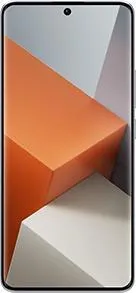
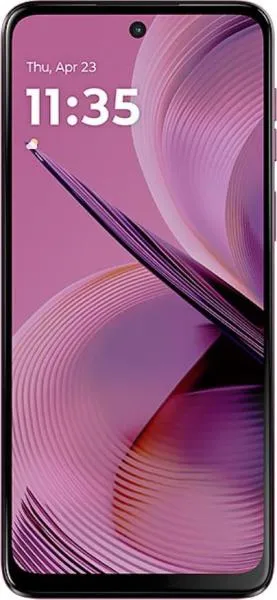
| Feature | Xiaomi Redmi Note 13 Pro+ | Motorola Moto G55 | Practical Impact |
|---|---|---|---|
| Design | |||
| Dimensions | 161.4 x 74.2 x 8.9 mm | 161.6 x 73.8 x 8.1 mm | Virtually identical in hand feel. Moto G55 slightly thinner. |
| Weight | 199g | 179g | Redmi noticeably heavier, potentially impacting one-handed use. |
| Fingerprint Sensor | Under-display | Side-mounted | Preference-based, side-mounted often faster to unlock. |
| Display | |||
| Size | 6.67" | 6.49" | Redmi offers a larger viewing area. |
| Type | AMOLED, 120Hz | IPS LCD, 120Hz | Redmi's AMOLED provides deeper blacks, richer colors, and potentially better power efficiency. |
| Resolution | 1220 x 2712 (446 ppi) | 1080 x 2400 (405 ppi) | Redmi boasts significantly sharper visuals. |
| Peak Brightness | 1800 nits | Not specified | Redmi likely far superior in outdoor visibility. Missing Moto G55 data limits full comparison. |
| Performance | |||
| Chipset | Mediatek Dimensity 7200 Ultra (4nm) | Mediatek Dimensity 7025 (6nm) | Redmi's newer, more powerful chipset will likely provide smoother performance, especially in demanding tasks and gaming. |
| CPU | Octa-core (2x2.8 GHz Cortex-A715 & 6x2.0 GHz Cortex-A510) | Octa-core (2x2.5 GHz Cortex-A78 & 6x2.0 GHz Cortex-A55) | Redmi's CPU configuration, while using newer cores, might offer better efficiency and potentially better sustained performance. Direct comparison is difficult without benchmarks. |
| GPU | Mali-G610 MC4 | IMG BXM-8-256 | Redmi likely possesses superior graphical capabilities for gaming. |
| RAM/Storage | 512GB/8GB, 512GB/12GB, 256GB/12GB | 256GB/8GB | Redmi offers more RAM and storage options for demanding users. |
| Battery | |||
| Capacity | 5000 mAh | 5000 mAh | Identical battery capacities, but real-world battery life will depend on software optimization and display efficiency. |
| Camera | |||
| Video Capabilities | 4K@30fps, up to 1080p@120fps | 1080p@60fps | Redmi offers significantly better video recording capabilities, including 4K resolution and slow-motion options. Missing detailed camera specs limit full analysis. |
| Software | |||
| OS | Android 13 | Android 14 | Moto G55 ships with a newer Android version, potentially offering longer software support and newer features. |
2. Key Differences Analysis
Redmi Note 13 Pro+ Advantages:
- Superior Display: AMOLED with higher resolution, brightness, and HDR support provides a noticeably better visual experience.
- More Powerful Performance: The newer and more advanced chipset offers smoother multitasking and gaming.
- More Versatile Camera: Supports 4K video recording and slow-motion.
- More Storage/RAM options: Caters to users needing ample storage and memory.
Moto G55 Advantages:
- Lighter Weight: More comfortable for extended one-handed use.
- Newer Android Version: Potentially longer software support and access to the latest features.
- Potentially Lower Price: While not specified, Moto G series typically positions itself more affordably.
Trade-offs:
- Redmi's higher performance and brighter display might consume more battery power.
- Moto G55's lower resolution display might not satisfy media-heavy users.
3. User Profiles & Recommendations
Redmi Note 13 Pro+: Users who prioritize display quality, performance, and camera capabilities. Ideal for gaming, media consumption, and content creation.
Moto G55: Users seeking a lightweight, affordable phone with a clean Android experience. Suitable for everyday tasks, browsing, and communication. Good option for users sensitive to phone weight.
4. Decision Framework
Key Questions:
- What is your budget?
- What are your primary smartphone usage patterns (gaming, media consumption, photography)?
- Do you prioritize display quality and performance or battery life and affordability?
Scenario-Based Recommendations:
- Gamer/Power User: Redmi Note 13 Pro+ for its superior performance and display.
- Budget-Conscious User: Moto G55 if price is a primary concern.
- Casual User: Either phone could suffice, but the Moto G55 might be preferred for its lighter weight and newer OS.
My Choice: Xiaomi Redmi Note 13 Pro+
While the Moto G55 offers a newer Android version and lighter weight, the Redmi Note 13 Pro+'s significant advantages in display quality, performance, and camera capabilities outweigh those benefits for me. I prioritize a smooth user experience, vibrant visuals, and the ability to capture high-quality photos and videos. The slightly heavier weight is a trade-off I'm willing to accept for the significant boost in overall quality. The availability of more RAM and storage options in the Redmi also provides future-proofing and flexibility. Finally, the difference in Android version is likely to be less impactful in the long run compared to the day-to-day benefits of a superior display and faster performance.
