1. Specifications Comparison
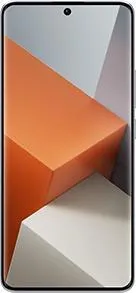
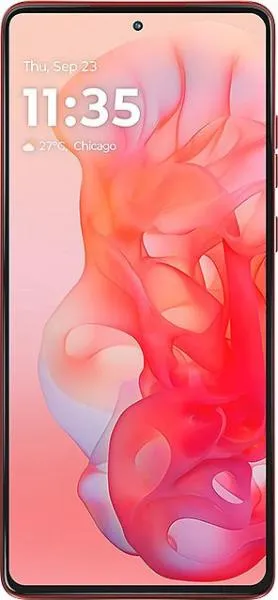
| Feature | Xiaomi Redmi Note 13 Pro+ | Motorola Moto G Stylus 5G (2024) | Practical Impact |
|---|---|---|---|
| Design | |||
| Dimensions | 161.4 x 74.2 x 8.9 mm | 162.6 x 74.8 x 8.3 mm | Virtually identical in hand feel. |
| Weight | 199g | 190g | Negligible weight difference. |
| Build Materials | Not specified | Not specified | Cannot compare build quality and durability. |
| Display | |||
| Size | 6.67" | 6.7" | Negligible size difference. |
| Type | AMOLED, 68B colors, 120Hz, Dolby Vision, HDR10+ | P-OLED, 1B colors, 120Hz | Redmi offers richer colors and HDR support for superior media consumption. Moto uses a potentially more power-efficient display technology. |
| Resolution | 1220 x 2712 (446 ppi) | 1080 x 2400 (395 ppi) | Redmi's sharper display provides more detail. |
| Peak Brightness | 1800 nits | 1200 nits | Redmi will be significantly more visible in direct sunlight. |
| Performance | |||
| Chipset | Mediatek Dimensity 7200 Ultra (4 nm) | Qualcomm Snapdragon 6 Gen 1 (4 nm) | The Dimensity 7200 Ultra generally offers better performance across the board, leading to smoother multitasking and gaming. |
| CPU | Octa-core (2x2.8 GHz Cortex-A715 & 6x2.0 GHz Cortex-A510) | Octa-core (4x2.2 GHz Cortex-A78 & 4x1.8 GHz Cortex-A55) | Redmi's CPU configuration, while utilizing newer cores, might offer a slight edge in sustained performance due to the higher clocked performance cores. |
| GPU | Mali-G610 MC4 | Adreno 710 | Redmi likely offers better graphics performance. |
| RAM/Storage | 8/256GB, 12/256GB, 12/512GB | 8/256GB | Redmi offers greater RAM options for smoother multitasking. |
| Camera | |||
| Rear Camera | Not specified | Not specified | Cannot compare camera quality and features. |
| Video | Up to 4K@30fps with EIS | Up to 4K@30fps | Both offer similar video resolution, but Redmi offers EIS at higher resolutions. Real-world video quality comparison is impossible without further details. |
| Battery | |||
| Capacity | 5000 mAh | 5000 mAh | Similar battery life expected, but actual usage will depend on software and hardware optimization. |
| Charging Speed | Not specified | Not specified | Cannot compare charging speeds. |
| Other | |||
| OS | Android 13 | Android 14 | Moto comes with a newer Android version out of the box. |
| Stylus | No | Yes | Moto G Stylus offers stylus functionality for note-taking and drawing. |
| Sensors | accelerometer, gyro, proximity, compass, Fingerprint (under display) | accelerometer, gyro, proximity, compass, barometer, Fingerprint (under display) | Moto adds a barometer for more accurate altitude data. |
2. Key Differences Analysis
Xiaomi Redmi Note 13 Pro+ Advantages:
- Superior Display: Brighter, sharper, and with richer colors and HDR support.
- Better Performance: More powerful chipset and GPU for smoother overall experience and better gaming.
- More RAM Options: Offers configurations with up to 12GB of RAM for enhanced multitasking.
Motorola Moto G Stylus 5G (2024) Advantages:
- Stylus Support: Integrated stylus for note-taking, sketching, and precise interactions.
- Newer Android Version: Ships with Android 14, potentially offering newer features and longer software support.
- Potentially Longer Battery Life: P-OLED displays can be more power efficient.
Trade-offs:
- Redmi sacrifices the stylus for a superior multimedia experience.
- Moto compromises on performance and display quality for stylus functionality and potentially longer battery life.
3. User Profiles & Recommendations
Xiaomi Redmi Note 13 Pro+: Ideal for users who prioritize performance, a vibrant display for media consumption, and smooth multitasking. Excellent for gaming, streaming videos, and demanding applications.
Motorola Moto G Stylus 5G (2024): Suitable for users who value note-taking, sketching, and precise on-screen interactions. Good for students, artists, and anyone who prefers a stylus for input. May also appeal to users who prioritize battery life over raw performance.
4. Decision Framework
Key Questions for Buyers:
- Is stylus functionality essential? If yes, the Moto G Stylus is the only option.
- Do you prioritize performance and a high-quality display for media consumption? If yes, the Redmi Note 13 Pro+ is the better choice.
- What is your budget and how important is long-term software support? Both are mid-range, but the newer Android version on the Moto might mean longer updates.
My Choice: Xiaomi Redmi Note 13 Pro+
While the stylus on the Moto G Stylus 5G is a unique feature, the significantly superior display and performance of the Redmi Note 13 Pro+ are more compelling to me. I prioritize a smooth user experience, vibrant visuals for media consumption, and strong performance for demanding tasks. The brighter display is also crucial for outdoor usage. While the lack of specific camera details makes a complete judgment impossible, the overall package offered by the Redmi, coupled with greater RAM options, makes it the more attractive device for my needs. I am willing to forgo the stylus and slightly older OS for these benefits.
