1. Specifications Comparison
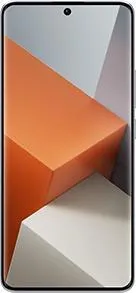
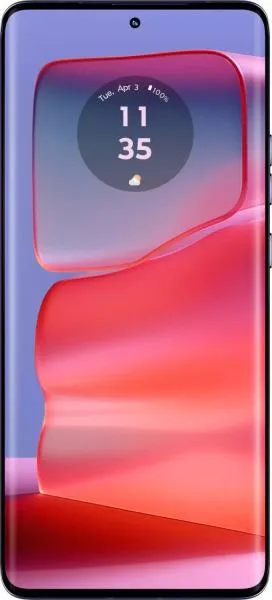
| Feature | Xiaomi Redmi Note 13 Pro+ | Motorola Edge 50 Pro | Practical Impact |
|---|---|---|---|
| Design | |||
| Dimensions (mm) | 161.4 x 74.2 x 8.9 | 161.2 x 72.4 x 8.2 | Motorola is slightly smaller and thinner, potentially improving one-handed usability. |
| Weight (g) | 199 | 186 | Motorola is noticeably lighter, reducing hand fatigue during extended use. |
| Display | |||
| Display Type | AMOLED, 68B colors | P-OLED, 1B colors | Both offer excellent color accuracy and deep blacks. The difference in color depth might not be noticeable to the average user. |
| Size (inches) | 6.67 | 6.7 | Negligible size difference. |
| Resolution | 1220 x 2712 | 1220 x 2712 | Identical resolution, resulting in similar sharpness. |
| Refresh Rate (Hz) | 120 | 144 | Motorola's higher refresh rate provides smoother animations and scrolling, especially noticeable in games and fast-paced content. |
| Peak Brightness (nits) | 1800 | 2000 | Motorola's higher peak brightness ensures better visibility in direct sunlight. |
| Performance | |||
| Chipset | Mediatek Dimensity 7200 Ultra (4 nm) | Qualcomm Snapdragon 7 Gen 3 (4 nm) | Both are mid-range chipsets. Benchmark comparisons are needed to determine real-world performance differences. |
| CPU | Octa-core (2x2.8 GHz Cortex-A715 & 6x2.0 GHz Cortex-A510) | Octa-core (1x2.63 GHz Cortex-A715 & 4x2.4 GHz Cortex-A715 & 3x1.8 GHz Cortex-A510) | Snapdragon 7 Gen 3 generally offers better sustained performance and efficiency due to its architecture. |
| GPU | Mali-G610 MC4 | Adreno 720 | Adreno 720 generally provides better gaming performance. |
| RAM/Storage | 8/512GB, 12/256GB, 12/512GB | 12/256GB, 12/512GB | Similar RAM and storage options provide ample multitasking capabilities and storage space. |
| Battery | |||
| Capacity (mAh) | 5000 | 4500 | Xiaomi offers a larger battery, potentially leading to longer battery life. Real-world usage will vary. |
| Software | |||
| OS | Android 13 | Android 14 | Motorola ships with a newer Android version, offering potential feature and security advantages. Xiaomi may receive updates later. |
| Camera | Not enough information provided to compare camera quality. | Not enough information provided to compare camera quality. | Camera performance cannot be assessed without detailed sensor and software information. |
2. Key Differences Analysis
Xiaomi Redmi Note 13 Pro+ Advantages:
- Larger Battery: Potentially longer battery life.
- Potentially Lower Price: Redmi phones are generally more affordable.
Motorola Edge 50 Pro Advantages:
- Smoother Display: 144Hz refresh rate provides a more fluid user experience.
- Brighter Display: Better outdoor visibility.
- More Powerful GPU: Likely better gaming performance.
- Newer Android Version: Access to the latest features and security updates.
- Slightly Lighter and Thinner: Improved ergonomics.
- Faster Charging: USB 3.1 supports faster charging speeds compared to USB 2.0 (assuming compatible charger is used).
3. User Profiles & Recommendations
Xiaomi Redmi Note 13 Pro+: Users prioritizing battery life and affordability. Suitable for general use, media consumption, and less demanding gaming.
Motorola Edge 50 Pro: Users prioritizing performance, a smooth display, and the latest software. Suitable for mobile gaming, demanding tasks, and users who value a premium feel.
4. Decision Framework
Key Questions for Buyers:
- What is your budget? The Redmi is likely more affordable.
- What are your primary use cases? Gaming and demanding tasks favor the Motorola, while general use favors either.
- How important is battery life? The Xiaomi likely offers longer battery life.
My Choice: Motorola Edge 50 Pro
While lacking specific camera details for a full comparison, the Motorola Edge 50 Pro edges out the Redmi Note 13 Pro+ for me due to its superior display (higher refresh rate and brightness), generally better performing chipset (specifically the GPU), newer Android version, lighter and thinner design, and faster charging capabilities offered by USB 3.1. Although the Redmi might offer slightly longer battery life, the Motorola's advantages in performance, user experience, and future-proofing with software updates make it a more compelling overall package for my needs. I prioritize a fluid and responsive user experience, and the combination of the 144Hz display and Snapdragon 7 Gen 3 makes the Motorola a clear winner in this regard. The slightly smaller battery is a trade-off I'm willing to make for the overall improved performance and features.
