1. Specifications Comparison
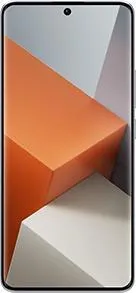
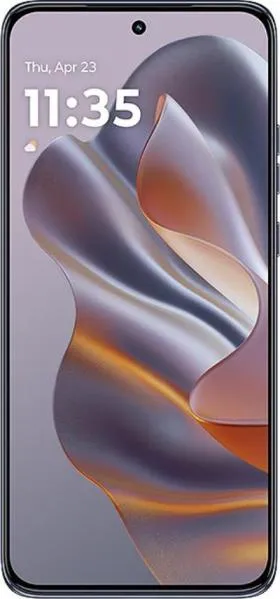
| Feature | Xiaomi Redmi Note 13 Pro+ | Motorola Edge 50 Neo | Practical Impact |
|---|---|---|---|
| Design | |||
| Dimensions | 161.4 x 74.2 x 8.9 mm | 154.1 x 71.2 x 8.1 mm | The Motorola is noticeably smaller and thinner, making it potentially more pocketable and comfortable for one-handed use. |
| Weight | 199g | 171g | The Motorola is significantly lighter, reducing hand fatigue during extended use. |
| Display | |||
| Display Type | AMOLED, 68B colors | LTPO P-OLED, 1B colors | Both offer excellent color accuracy and deep blacks. The Redmi boasts a wider color gamut (68B vs 1B), potentially offering slightly richer visuals in supported content. LTPO on the Motorola allows for more granular refresh rate control, leading to better battery efficiency. |
| Size | 6.67" | 6.4" | The Redmi offers a larger screen for more immersive media consumption, while the Motorola's smaller size might be preferred for one-handed usability. |
| Resolution | 1220 x 2712 | 1256 x 2760 | Both offer sharp displays. The slightly higher pixel density on the Motorola (474 ppi vs 446 ppi) might result in slightly crisper text and images, but the difference is negligible in real-world use. |
| Peak Brightness | 1800 nits | 3000 nits | The Motorola's significantly higher peak brightness ensures superior outdoor visibility, even in direct sunlight. |
| Refresh Rate | 120Hz | 120Hz | Both displays offer smooth scrolling and animations. |
| Performance | |||
| Chipset | Mediatek Dimensity 7200 Ultra (4 nm) | Mediatek Dimensity 7300 (4 nm) | Both chipsets offer similar performance in day-to-day tasks. Benchmarks would be needed to determine the real-world performance difference between the 7200 Ultra and the 7300. |
| CPU | Octa-core (2x2.8 GHz Cortex-A715 & 6x2.0 GHz Cortex-A510) | Octa-core (4x2.5 GHz Cortex-A78 & 4x2.0 GHz Cortex-A55) | The architectural differences in the CPUs suggest the Dimensity 7300 might have a slight edge in sustained performance. |
| GPU | Mali-G610 MC4 | Mali-G615 MC2 | The Mali-G615 MC2 in the Motorola might offer slightly better gaming performance than the Mali-G610 MC4, but real-world testing is needed. |
| RAM/Storage | 512GB/8GB, 512GB/12GB, 256GB/12GB | 512GB/12GB | The Redmi offers more RAM and storage configurations, catering to different budget and storage needs. |
| Battery | |||
| Capacity | 5000 mAh | 4310 mAh | The Redmi's larger battery likely translates to longer battery life. |
| Software | |||
| OS | Android 13 | Android 14 | The Motorola ships with a newer Android version, offering potential benefits in features, security, and performance optimizations. It is also expected to receive more OS updates than the Redmi. |
2. Key Differences Analysis
Redmi Note 13 Pro+ Advantages:
- Larger Battery: Longer usage time between charges.
- Larger Display: More immersive media consumption.
- More Storage Options: Flexibility for users with varying storage needs.
- Higher Resolution Display: Sharper image quality.
Motorola Edge 50 Neo Advantages:
- Lighter and More Compact: Easier to handle and carry.
- Brighter Display: Excellent outdoor visibility.
- Newer Android Version: Access to the latest features and longer software support.
- Potentially Better Performance: The Dimensity 7300 and its GPU might offer a slight edge in performance.
3. User Profiles & Recommendations
Redmi Note 13 Pro+: Users prioritizing battery life, a large display for media consumption, and a wider range of storage options. Suitable for heavy users, gamers, and those who consume a lot of video content.
Motorola Edge 50 Neo: Users prioritizing portability, one-handed usability, a bright display for outdoor use, and the latest software. Ideal for users who value a compact and lightweight phone with good performance.
4. Decision Framework
Key Questions for Buyers:
- How important is battery life? The Redmi offers significantly longer battery life.
- Do you prioritize a large screen or portability? The Redmi has a larger display, while the Motorola is more compact.
- How important is having the latest software and longer software support? The Motorola ships with Android 14 and is likely to receive updates for a longer period.
My Choice: Motorola Edge 50 Neo
While the Redmi Note 13 Pro+ boasts a larger battery and display, the Motorola Edge 50 Neo's combination of a lighter, more compact design, brighter display for superior outdoor visibility, newer Android version with longer software support, and potentially superior performance makes it a more compelling device for me. I prioritize portability, software updates, and a good display experience over a slightly larger battery and screen. The expected longer software support lifecycle of the Motorola is a significant advantage in terms of long-term value.
