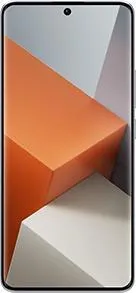
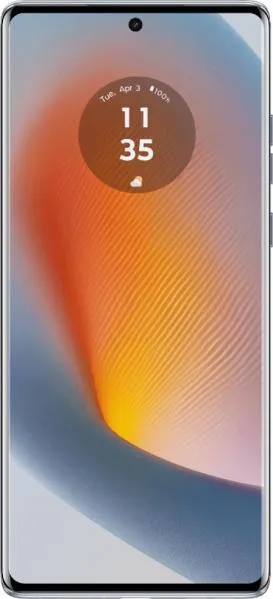
1. Specifications Comparison
| Feature | Xiaomi Redmi Note 13 Pro+ | Motorola Edge 50 Fusion | Practical Impact |
|---|---|---|---|
| Design | |||
| Dimensions | 161.4 x 74.2 x 8.9 mm | 161.9 x 73.1 x 7.9 mm | Virtually identical in hand feel. Motorola slightly thinner. |
| Weight | 199g | 174.9g | Noticeable difference; Motorola feels lighter and more comfortable for extended use. |
| Display | |||
| Size | 6.67" | 6.7" | Negligible size difference. |
| Type | AMOLED, 68B colors | P-OLED, 1B colors | Redmi boasts wider color gamut potentially offering richer visuals, though perceptible difference depends on content. |
| Resolution | 1220 x 2712 | 1080 x 2400 | Redmi's higher resolution provides sharper text and images, especially noticeable in VR applications and detailed photos. |
| Refresh Rate | 120Hz | 120Hz (LATAM), 144Hz (INT) | Smoother animations and scrolling on both; potential for even smoother experience with Motorola's 144Hz (International version). |
| Peak Brightness | 1800 nits | 1600 nits | Redmi offers better visibility in direct sunlight. |
| Performance | |||
| Chipset | Mediatek Dimensity 7200 Ultra | Qualcomm Snapdragon 7s Gen 2 | Both mid-range chips; performance differences likely minimal for everyday tasks but benchmarks needed for accurate comparison. |
| CPU | Octa-core (2x2.8 GHz A715 & 6x2.0 GHz A510) | Octa-core (4x2.40 GHz A78 & 4x1.95 GHz A55) - International | Different core configurations; real-world performance comparison requires benchmarking. |
| GPU | Mali-G610 MC4 | Adreno 710 | Gaming performance differences require further benchmarking and game-specific testing. |
| RAM/Storage | 8/256GB, 12/256GB, 12/512GB | 8/256GB | Redmi offers more RAM options for potentially improved multitasking. Larger storage options on Redmi cater to heavy users. |
| Battery | |||
| Capacity | 5000 mAh | 5000 mAh | Similar battery life expected, but actual usage will vary. |
| Software | |||
| OS | Android 13 | Android 14 | Motorola comes with a newer Android version out-of-the-box offering potential feature and security advantages. |
| Camera | |||
| Video Capabilities | 4K@24/30fps (EIS), 1080p@30/60/120fps (EIS) | 4K@30fps (EIS), 1080p@30/60/120fps (EIS) | Similar video capabilities, detailed camera sensor specs needed for comprehensive comparison. Missing information limits in-depth analysis. |
2. Key Differences Analysis
Redmi Note 13 Pro+ Advantages:
- Sharper Display: Higher resolution for clearer visuals.
- Brighter Display: Better outdoor visibility.
- More RAM and Storage Options: Benefits heavy multitaskers and media consumers.
- Potentially Wider Color Gamut: Richer colors in supported content.
Motorola Edge 50 Fusion Advantages:
- Lighter Weight: More comfortable for extended use.
- Newer Android Version: Latest features and security updates.
- Potentially Higher Refresh Rate (International): Even smoother scrolling and animations (International Version).
Trade-offs:
- Redmi: Heavier, older Android version.
- Motorola: Lower resolution display, less bright, fewer RAM/Storage options, potentially lower refresh rate depending on region.
3. User Profiles & Recommendations
Redmi Note 13 Pro+: Users who prioritize display quality, performance for demanding tasks, and ample storage. Ideal for media consumption, mobile gaming, and productivity.
Motorola Edge 50 Fusion: Users who value a lightweight, comfortable phone with up-to-date software. Suitable for everyday use, social media, and light gaming.
4. Decision Framework
Key Questions:
- Is display quality a top priority? If yes, the Redmi's sharper and brighter screen is advantageous.
- How important is having the latest Android version? Motorola offers a newer OS with potential feature and security benefits.
- What is your budget and storage needs? Redmi provides more RAM and storage options but might be slightly more expensive.
Scenario-Based Recommendations:
- Heavy Media Consumer: Redmi Note 13 Pro+ for its superior display.
- Casual User: Motorola Edge 50 Fusion for its comfortable design and updated software.
- Gamer: Further benchmarking needed to determine the better gaming device, but Redmi's higher RAM options could be beneficial.
My Choice: Xiaomi Redmi Note 13 Pro+
While the Motorola Edge 50 Fusion offers a lighter and more comfortable design with a newer Android version, the Xiaomi Redmi Note 13 Pro+'s superior display, with its higher resolution and peak brightness, is a deciding factor for me. I prioritize screen quality for media consumption and general usage. The extra RAM and storage options on the Redmi also provide future-proofing and better performance for demanding tasks. While the weight difference is noticeable, I find the benefits of the Redmi's display outweigh the comfort advantage of the Motorola. The slightly older Android version is less concerning as Xiaomi has a decent track record of software updates. Ultimately, the Redmi's focus on a premium visual experience aligns better with my personal preferences.
