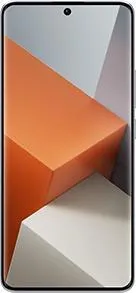

1. Specifications Comparison
| Feature | Xiaomi Redmi Note 13 Pro+ | Huawei Pura 70 Ultra | Practical Impact |
|---|---|---|---|
| Design | |||
| Dimensions | 161.4 x 74.2 x 8.9 mm | 162.6 x 75.1 x 8.4 mm | The Huawei is slightly larger and thinner. Negligible difference in hand feel for most users. |
| Weight | 199g | 226g | The Huawei is noticeably heavier, potentially causing fatigue during extended use. |
| Build Materials | Not specified | Not specified | Cannot compare build quality and durability. |
| Display | |||
| Size | 6.67" | 6.8" | Marginally larger screen on the Huawei, offering slightly more immersive content consumption. |
| Type | AMOLED, 120Hz | LTPO OLED, 120Hz | Both offer smooth scrolling and animations. LTPO on Huawei allows for dynamic refresh rate adjustment, potentially saving battery. |
| Resolution | 1220 x 2712 (446 PPI) | 1260 x 2844 (460 PPI) | Huawei has a slightly sharper display due to higher resolution and PPI, but the difference is minimal in real-world usage. |
| Peak Brightness | 1800 nits | 2500 nits | Huawei's significantly higher peak brightness ensures better visibility in direct sunlight. |
| Color Depth | 68B colors | 1B colors | Huawei offers a wider color gamut, resulting in more vibrant and accurate color reproduction. Noticeable for content creators and media consumption. |
| Performance | |||
| Chipset | Mediatek Dimensity 7200 Ultra (4nm) | Kirin 9010 (7nm) | Kirin 9010 is likely more powerful but uses older fabrication technology potentially leading to higher power consumption. Real-world performance depends on optimization. |
| CPU | Octa-core (2x2.8 GHz Cortex-A715 & 6x2.0 GHz Cortex-A510) | Octa-core (1x2.3 GHz Taishan Big & 3x2.18 GHz Taishan Mid & 4x1.55 GHz Cortex-A510) | Different CPU architectures make direct comparison difficult. Requires benchmarking for accurate assessment. |
| GPU | Mali-G610 MC4 | 8 | Insufficient information on Huawei's GPU to compare performance. |
| RAM/Storage | 8/256GB, 12/256GB, 12/512GB | 16/1000GB | Huawei offers significantly more RAM and storage. Beneficial for multitasking and storing large files. |
| Battery | |||
| Capacity | 5000 mAh | 5200 mAh | Slightly larger battery in the Huawei, but real-world battery life depends on optimization and usage. |
| Camera | |||
| Video Capabilities | 4K@30fps (EIS) and other options | Not specified | Cannot compare video recording capabilities. A significant omission for the Huawei. |
| Software | |||
| OS | Android 13 | Not specified | Major omission. OS significantly impacts user experience. Unable to compare without this information. |
2. Key Differences Analysis
Xiaomi Redmi Note 13 Pro+ Advantages:
- Potentially better value: Likely to be significantly cheaper given the "medium price" range.
- More storage options: Caters to different budget and storage needs.
- Known software: Runs on Android, providing a familiar user experience.
Huawei Pura 70 Ultra Advantages:
- Brighter Display: Superior outdoor visibility.
- More RAM and storage: Better for power users and multitasking.
- Wider color gamut: More vibrant and accurate colors.
- Potentially more powerful chipset: Assuming Kirin 9010 outperforms Dimensity 7200 Ultra.
3. User Profiles & Recommendations
Xiaomi Redmi Note 13 Pro+:
- Budget-conscious users: Offers excellent value for money.
- Casual users: Sufficient performance for everyday tasks.
- Users prioritizing a familiar OS: Android OS provides wide app support and customization.
Huawei Pura 70 Ultra:
- Power users: Demanding tasks, multitasking, gaming (assuming GPU performance is strong).
- Content creators: Benefits from the large storage, vibrant display, and powerful hardware.
- Users prioritizing top-tier hardware: If OS limitations aren't a concern.
4. Decision Framework
Key Questions:
- What is your budget? The Redmi is likely significantly more affordable.
- What is your primary use case? Gaming, content creation, or casual use?
- Which operating system do you prefer? This is a major unknown for the Huawei.
Scenario-Based Recommendations:
- Limited Budget: Redmi Note 13 Pro+
- Heavy Multitasking/Gaming: Huawei Pura 70 Ultra (assuming a suitable OS and strong GPU).
- Outdoor Use in Bright Sunlight: Huawei Pura 70 Ultra.
My Choice: Xiaomi Redmi Note 13 Pro+
Reasoning: The lack of OS information for the Huawei Pura 70 Ultra is a critical gap. Without knowing the OS, it's impossible to assess app compatibility, user interface, and overall software experience. This is a fundamental aspect of smartphone usability. While the Huawei boasts impressive hardware in some areas, the unknown OS and significantly higher price make the Redmi Note 13 Pro+ a safer and likely more value-driven choice. The Redmi offers a well-rounded package with a known and reliable operating system, sufficient performance for most users, and a more appealing price point. The missing video recording specs for the Huawei are also a significant drawback. I prioritize a known and functional OS over potentially superior hardware with significant unknowns.
