
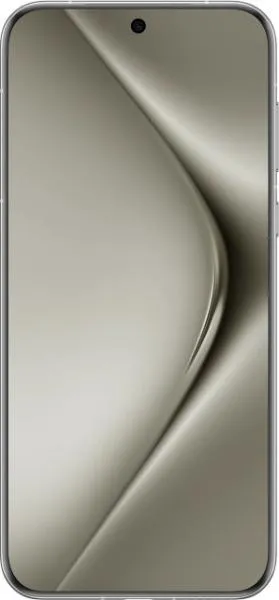
1. Specifications Comparison
| Feature | Xiaomi Redmi Note 13 Pro+ | Huawei Pura 70 Pro | Practical Impact |
|---|---|---|---|
| Design | |||
| Dimensions (mm) | 161.4 x 74.2 x 8.9 | 162.6 x 75.1 x 8.4 | The Huawei is slightly larger and thinner. Negligible difference in hand feel for most users. |
| Weight (g) | 199 | 220 | The Redmi is noticeably lighter, reducing hand fatigue during extended use. |
| Build Materials | Not specified | Not specified | Cannot compare build quality and durability without this information. |
| Display | |||
| Size (inches) | 6.67 | 6.8 | The Huawei offers a marginally larger screen, providing slightly more immersive content consumption. |
| Type | AMOLED, 68B colors, 120Hz, Dolby Vision, HDR10+ | LTPO OLED, 1B colors, HDR, 120Hz | Both offer smooth scrolling and vibrant colors. Huawei's LTPO panel might offer better power efficiency with variable refresh rate, but real-world impact depends on implementation. Redmi supports Dolby Vision and HDR10+ for potentially better HDR performance. |
| Resolution | 1220 x 2712 | 1260 x 2844 | Both offer sharp visuals; Huawei has a slightly higher pixel density (460 vs 446 PPI) but the difference is negligible in everyday use. |
| Peak Brightness (nits) | 1800 | 2500 | The Huawei offers significantly higher peak brightness, ensuring better visibility in direct sunlight. |
| Performance | |||
| Chipset | Mediatek Dimensity 7200 Ultra (4 nm) | Kirin 9010 (7 nm) | Kirin 9010 uses a more advanced manufacturing process (7nm vs 4nm), potentially leading to better power efficiency. Performance differences need real-world benchmarks to compare. |
| CPU | Octa-core (2x2.8 GHz Cortex-A715 & 6x2.0 GHz Cortex-A510) | Octa-core (1x2.3 GHz Taishan Big & 3x2.18 GHz Taishan Mid & 4x1.55 GHz Cortex-A510) | CPU architectures differ, making direct clock speed comparison less meaningful. Requires benchmarking for accurate performance analysis. |
| GPU | Mali-G610 MC4 | 8 | Missing specific GPU model for Huawei makes performance comparison impossible. |
| RAM/Storage | 8/512GB, 12/256GB, 12/512GB | 12/512GB, 12/1000GB | Huawei offers a larger 1TB storage option. Both offer ample RAM for multitasking. |
| Camera | |||
| Specifications | Not provided for either phone. | Not provided for either phone. | Camera performance cannot be compared without detailed sensor and lens information. |
| Battery | |||
| Capacity (mAh) | 5000 | 5050 | Negligible difference in battery capacity. Real-world battery life depends on optimization and usage patterns. |
| Charging Speed | Not specified | Not specified | Cannot compare charging speeds without this information. |
| Software | |||
| OS | Android 13 | Missing OS information for the Huawei makes software comparison impossible. Crucial detail considering app availability and user experience. |
2. Key Differences Analysis
Xiaomi Redmi Note 13 Pro+ Advantages:
- Lighter Weight: Offers a more comfortable one-handed experience.
- Dolby Vision & HDR10+: Potentially better HDR video playback quality.
- More Color Options: Greater personalization.
- Clear Software Information: Knowing it runs Android 13 allows for assessment of software features, updates, and app compatibility.
Huawei Pura 70 Pro Advantages:
- Brighter Display: Superior outdoor visibility.
- Potentially More Power Efficient Chipset: 7nm process suggests better battery life, but real-world usage will vary.
- Larger Storage Option: 1TB option caters to users with high storage demands.
- Slim Design: Might be preferred by some for aesthetics.
3. User Profiles & Recommendations
Xiaomi Redmi Note 13 Pro+: Users who prioritize a lighter phone, value HDR video quality, and prefer the familiarity of Android. Suitable for everyday tasks, media consumption, and moderate gaming.
Huawei Pura 70 Pro: Users who need exceptional screen brightness for outdoor use, prioritize large storage capacity, and value a slim design. Suitable for power users, content creators, and those who store large files. However, the lack of OS information is a major concern.
4. Decision Framework
Key Questions for Buyers:
- Which operating system is preferred? This is crucial given the missing OS information for the Huawei.
- How important is outdoor visibility? The Huawei's brighter display is a significant advantage in sunlight.
- What is your budget and storage requirement? The Huawei offers a 1TB option but pricing is unknown.
Scenario-Based Recommendations:
- Outdoor Enthusiast: Huawei Pura 70 Pro (if OS and app availability are confirmed).
- Media Consumer: Xiaomi Redmi Note 13 Pro+ (due to Dolby Vision/HDR10+ and confirmed Android OS).
- Budget-Conscious User: Depends on pricing; Redmi Note 13 Pro+ is likely more affordable given historical Xiaomi pricing.
My Choice: Xiaomi Redmi Note 13 Pro+
Reasoning: The lack of critical information for the Huawei Pura 70 Pro (OS, GPU, Camera specs) makes it impossible to recommend confidently. The Redmi Note 13 Pro+ offers a well-rounded package with a confirmed Android OS, potentially superior HDR video capabilities, and a lighter, more comfortable design. While the Huawei boasts a brighter display and larger storage option, the missing information creates significant uncertainty. A phone without a known OS is a major gamble in terms of usability and app access. Until those details are clarified, the Redmi Note 13 Pro+ is the safer and more informed choice.
