
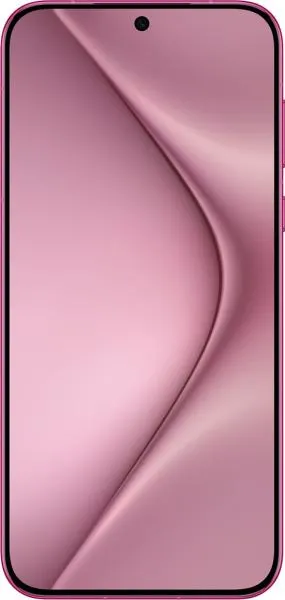
1. Specifications Comparison
| Feature | Xiaomi Redmi Note 13 Pro+ | Huawei Pura 70 | Practical Impact |
|---|---|---|---|
| Design | |||
| Dimensions (mm) | 161.4 x 74.2 x 8.9 | 157.6 x 74.3 x 8 | The Huawei Pura 70 is slightly shorter and thinner. |
| Weight (g) | 199 | 207 | The Redmi is noticeably lighter, improving one-handed use. |
| Display | |||
| Size (inches) | 6.67 | 6.6 | Negligible size difference. |
| Type | AMOLED, 120Hz | LTPO OLED, 120Hz | Both offer smooth scrolling and animations. LTPO allows for dynamic refresh rate adjustment, potentially saving battery. |
| Resolution | 1220 x 2712 | 1256 x 2760 | Both are sharp; Huawei's slightly higher resolution offers minimal practical difference. |
| Peak Brightness (nits) | 1800 | 2500 | Huawei's significantly higher brightness ensures better outdoor visibility. |
| Color Depth | 68B | 1B | Redmi's wider color gamut theoretically provides more nuanced colors, though the real-world difference might be subtle. |
| Performance | |||
| Chipset | Mediatek Dimensity 7200 Ultra (4nm) | Kirin 9000S1 | Performance comparison is difficult without benchmarks. Both are likely powerful for everyday tasks. |
| CPU | Octa-core (2x2.8 GHz Cortex-A715 & 6x2.0 GHz Cortex-A510) | Octa-core | Specific core configuration missing for Huawei, hindering detailed comparison. |
| GPU | Mali-G610 MC4 | 8 | Huawei's GPU information is insufficient for meaningful comparison. Gaming performance remains unknown. |
| RAM/Storage | 8/512GB, 12/256GB, 12/512GB | 12/512GB | Redmi offers more RAM/storage configurations, catering to diverse needs and budgets. |
| Camera | |||
| Video Capabilities | 4K@24/30fps (EIS), 1080p@30/60/120fps (EIS) | Not specified | No comparison possible without Huawei's video recording specifications. |
| Battery | |||
| Capacity (mAh) | 5000 | 4900 | Negligible difference in battery capacity. Real-world battery life depends on various factors, including software optimization. |
| Software | |||
| OS | Android 13 | Not specified | Critical information missing for Huawei. OS significantly impacts user experience and app availability. |
| Other | |||
| USB | USB Type-C 2.0, OTG | USB Type-C 3.1, OTG, DisplayPort 1.2 | Huawei offers faster data transfer and video output via USB-C. |
2. Key Differences Analysis
Xiaomi Redmi Note 13 Pro+ Advantages:
- More Affordable: Likely more budget-friendly given the "medium price" range and multiple storage options.
- Lighter: Noticeably lighter, enhancing comfort for extended use.
- Wider Color Gamut: Potentially more vibrant display.
- More RAM/Storage Options: Caters to a wider range of user needs and budgets.
- Clear Software Information: Android OS ensures access to a vast app ecosystem.
Huawei Pura 70 Advantages:
- Brighter Display: Superior outdoor visibility.
- Thinner Design: Slightly more pocketable.
- Faster USB: Quicker data transfer and video output capabilities.
- Potentially Better Battery Efficiency: LTPO display technology can dynamically adjust refresh rate, saving power.
3. User Profiles & Recommendations
Xiaomi Redmi Note 13 Pro+: Suitable for users prioritizing affordability, a lightweight device, and a wide selection of apps.
Huawei Pura 70: Ideal for users who prioritize a bright display for outdoor use and value faster data transfer speeds. However, the lack of OS information is a major concern.
4. Decision Framework
Key Questions for Buyers:
- What is your budget? The Redmi Note 13 Pro+ likely offers better value for money.
- Is outdoor visibility crucial? The Huawei Pura 70's brighter display is advantageous in sunlight.
- Which operating system do you prefer? The lack of OS information for the Huawei is a significant drawback.
My Choice: Xiaomi Redmi Note 13 Pro+
While the Huawei Pura 70 boasts a brighter display and faster USB connectivity, the lack of crucial information about its operating system, processor performance, and camera capabilities makes it impossible to recommend. The Xiaomi Redmi Note 13 Pro+, with its confirmed Android OS, comprehensive specifications, and likely lower price, offers a more informed and reliable choice. The lighter weight is also a significant advantage for daily use. The missing details for the Huawei Pura 70 raise serious concerns about app availability, performance, and overall user experience. Until this information is available, the Redmi Note 13 Pro+ is the safer and more appealing option.
