1. Specifications Comparison
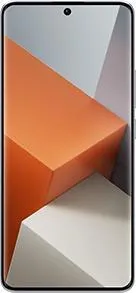
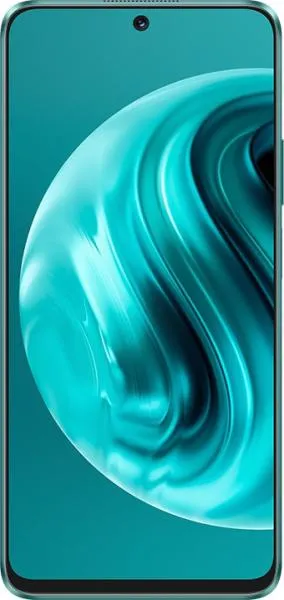
| Feature | Xiaomi Redmi Note 13 Pro+ | Huawei nova 12i | Practical Impact |
|---|---|---|---|
| Design | |||
| Dimensions (mm) | 161.4 x 74.2 x 8.9 | 163.3 x 74.7 x 8.4 | Nova 12i is slightly taller and wider but thinner. Negligible difference in daily use. |
| Weight (g) | 199 | 199 | Identical weight. |
| Fingerprint Sensor | Under-display | Side-mounted | Preference-based. Under-display is modern, side-mounted can be faster to access. |
| Display | |||
| Display Type | AMOLED, 120Hz | IPS LCD, 90Hz | Redmi's AMOLED offers deeper blacks, vibrant colors, and higher contrast. 120Hz refresh rate provides smoother scrolling and animations compared to 90Hz on the Nova 12i. |
| Resolution | 1220 x 2712 | 1080 x 2388 | Redmi has a significantly sharper display (446 ppi vs 391 ppi), resulting in crisper text and images. |
| Peak Brightness | 1800 nits | Not specified | Redmi's high peak brightness ensures excellent outdoor visibility. Lack of data for Nova 12i hinders comparison in this aspect. |
| HDR Support | Dolby Vision, HDR10+ | Not specified | Redmi supports wider HDR standards, leading to a better experience in supported content. |
| Performance | |||
| Chipset | Mediatek Dimensity 7200 Ultra (4nm) | Qualcomm Snapdragon 680 4G (6nm) | Redmi's Dimensity 7200 Ultra is significantly more powerful, offering better gaming performance, faster app loading, and smoother multitasking. |
| CPU | Octa-core (2x2.8 GHz Cortex-A715 & 6x2.0 GHz Cortex-A510) | Octa-core (4x2.4 GHz Cortex-A73 & 4x1.9 GHz Cortex-A53) | Redmi's CPU architecture and higher clock speeds provide a noticeable performance advantage. |
| GPU | Mali-G610 MC4 | Adreno 610 | Redmi's GPU offers better gaming and graphics performance. |
| RAM/Storage | 8GB/256GB, 12GB/256GB, 12GB/512GB | 8GB/256GB | Redmi offers more RAM options for enhanced multitasking. |
| Camera | |||
| Video Capabilities | 4K@24/30fps (EIS), 1080p@30/60/120fps (EIS) | 1080p@30fps | Redmi offers significantly better video recording capabilities, including 4K resolution and higher frame rates with Electronic Image Stabilization (EIS). |
| Battery | |||
| Capacity | 5000 mAh | 5000 mAh | Identical battery capacity. Real-world battery life depends on software optimization and usage patterns. |
| Other | |||
| OS | Android 13 | Not specified | OS information missing for Nova 12i prevents comparison. |
| NFC | Yes | Yes | Both phones support contactless payments. |
2. Key Differences Analysis
Redmi Note 13 Pro+ Advantages:
- Superior Display: AMOLED with 120Hz, higher resolution, and HDR support. Results in a drastically better visual experience.
- Significantly Better Performance: Dimensity 7200 Ultra outperforms Snapdragon 680 in all aspects. Impacts gaming, multitasking, and overall responsiveness.
- Advanced Video Recording: 4K recording, higher frame rates, and EIS.
Huawei nova 12i Advantages:
- Potentially Lower Price: Depending on market and specific deals, the Nova 12i may be more affordable.
- Slightly Thinner: While negligible in daily use, it is technically thinner.
Trade-offs:
- Redmi's advanced features likely come at a higher price.
- Missing OS information for the Nova 12i makes a complete comparison impossible.
3. User Profiles & Recommendations
Redmi Note 13 Pro+: Users who prioritize performance, a high-quality display, and advanced camera features. Ideal for gamers, content creators, and those seeking a premium multimedia experience.
Huawei nova 12i: Users on a tighter budget who prioritize basic functionality and a large display. Suitable for casual users primarily focused on communication, social media, and light web browsing.
4. Decision Framework
Key Questions:
- What is your budget? The Redmi Note 13 Pro+ is likely more expensive.
- What are your performance needs? For demanding tasks, the Redmi is significantly better.
- How important is display quality? Redmi's AMOLED display is superior.
My Choice: Xiaomi Redmi Note 13 Pro+
The Redmi Note 13 Pro+ is the clear winner for me. Its superior performance, stunning AMOLED display with 120Hz, and advanced camera features outweigh the potential price difference. While the Nova 12i might be a decent budget option, the lack of key specifications, especially concerning the operating system, makes it difficult to recommend confidently. The Redmi offers a significantly better user experience for demanding tasks, multimedia consumption, and content creation. Even for casual users, the smooth display and responsive performance would provide a more enjoyable everyday experience.
