1. Specifications Comparison
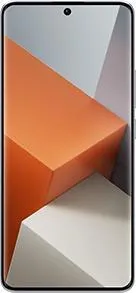
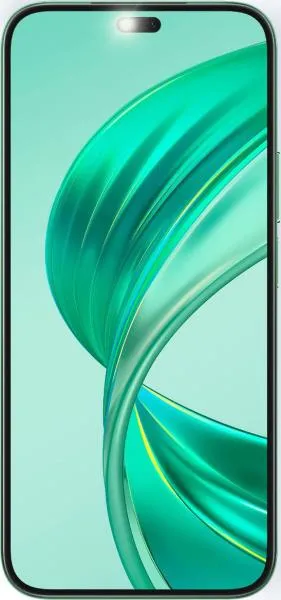
| Feature | Xiaomi Redmi Note 13 Pro+ | Honor X8b | Practical Impact |
|---|---|---|---|
| Design | |||
| Dimensions (mm) | 161.4 x 74.2 x 8.9 | 161.1 x 74.6 x 6.8 | The Honor X8b is noticeably thinner and slightly lighter, making it more pocketable. |
| Weight (g) | 199 | 166 | The Honor X8b's lighter weight will be more comfortable for extended use. |
| Fingerprint Sensor | Under Display | Side-mounted | Preference-based, but under-display is often perceived as more modern. |
| Display | |||
| Size (inches) | 6.67 | 6.7 | Negligible size difference. |
| Type | AMOLED, 120Hz | AMOLED, 90Hz | The Redmi Note 13 Pro+'s 120Hz refresh rate will provide smoother scrolling and animations. |
| Resolution | 1220 x 2712 | 1080 x 2412 | The Redmi Note 13 Pro+ has a sharper display with higher pixel density (446 ppi vs 394 ppi), resulting in crisper text and images. |
| Peak Brightness (nits) | 1800 | 2000 | The Honor X8b might be slightly more readable in direct sunlight due to the higher peak brightness. |
| Performance | |||
| Chipset | Mediatek Dimensity 7200 Ultra (4 nm) | Qualcomm Snapdragon 680 4G (6 nm) | The Dimensity 7200 Ultra is a significantly more powerful chipset, enabling smoother multitasking, better gaming performance, and faster app loading times. |
| CPU | Octa-core (2x2.8 GHz Cortex-A715 & 6x2.0 GHz Cortex-A510) | Octa-core (4x2.4 GHz Kryo 265 Gold & 4x1.9 GHz Kryo 265 Silver) | The Redmi Note 13 Pro+'s CPU configuration offers superior performance, especially in demanding tasks. |
| GPU | Mali-G610 MC4 | Adreno 610 | The Mali-G610 MC4 provides a significant advantage in graphics performance, benefiting gaming and other visually intensive applications. |
| RAM/Storage | 8/512GB, 12/512GB, 12/256GB | 6/256GB, 8/256GB | The Redmi Note 13 Pro+ offers more RAM and storage options, catering to power users and those who need ample space for files and apps. |
| Camera | |||
| Video Capabilities | 4K@24/30fps (EIS), 1080p@30/60/120fps (EIS) | 1080p@30fps | The Redmi Note 13 Pro+ offers significantly better video recording capabilities with higher resolution and frame rate options, as well as Electronic Image Stabilization (EIS). |
| Battery | |||
| Capacity (mAh) | 5000 | 4500 | The Redmi Note 13 Pro+ has a larger battery capacity, potentially offering longer battery life. |
| Other | |||
| NFC | Yes | No | NFC enables contactless payments and other convenient features. Its absence on the Honor X8b is a significant drawback for some users. |
2. Key Differences Analysis
Redmi Note 13 Pro+ Advantages:
- Significantly better performance: The Dimensity 7200 Ultra chipset, coupled with more RAM, offers a vastly superior experience for demanding tasks, gaming, and multitasking.
- Sharper and smoother display: The 120Hz refresh rate and higher resolution provide a more visually pleasing and responsive experience.
- More versatile camera: Superior video recording capabilities and presumably better overall image quality (specific camera sensor details are missing).
- Larger battery: Potentially longer battery life.
- NFC: Enables contactless payments and other functionalities.
Honor X8b Advantages:
- Thinner and lighter design: More comfortable for one-handed use and portability.
- Potentially brighter display: Might be slightly more readable in direct sunlight.
- Lower price: Likely more budget-friendly (specific pricing information is missing).
3. User Profiles & Recommendations
Redmi Note 13 Pro+: Ideal for users who prioritize performance, a smooth and sharp display, versatile camera capabilities, and features like NFC. Suitable for gamers, power users, and content creators.
Honor X8b: Suitable for users who prioritize a thin and light design, a bright display for outdoor use, and a lower price point. Best for casual users who primarily use their phones for basic tasks like browsing, social media, and communication.
4. Decision Framework
Key Questions for Buyers:
- What is your budget? The Honor X8b is likely more affordable.
- What are your primary phone usage patterns? Gamers and power users will appreciate the Redmi Note 13 Pro+'s performance.
- Which features are essential for you? NFC is a key differentiator, as is the significantly improved performance of the Redmi.
Scenario-Based Recommendations:
- Tight budget, basic usage: Honor X8b
- Performance and features are paramount: Redmi Note 13 Pro+
- Balance of performance and affordability: Consider the Redmi Note 13 Pro+ if within budget, otherwise look for other alternatives offering a better price-to-performance ratio than the Honor X8b.
My Choice: Xiaomi Redmi Note 13 Pro+
The Redmi Note 13 Pro+ offers a significantly superior overall package due to its much more powerful processor, better display, more versatile camera, larger battery, and the inclusion of NFC. While the Honor X8b boasts a thinner and lighter design, these advantages don't outweigh the substantial performance and feature gap. For me, a smooth and responsive user experience, along with crucial features like NFC for contactless payments, are more important than marginal differences in weight and thickness. The Redmi Note 13 Pro+ feels like a future-proof choice that will handle demanding tasks and provide a better overall user experience in the long run.
