1. Specifications Comparison
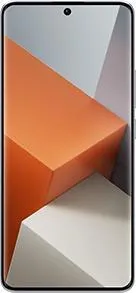
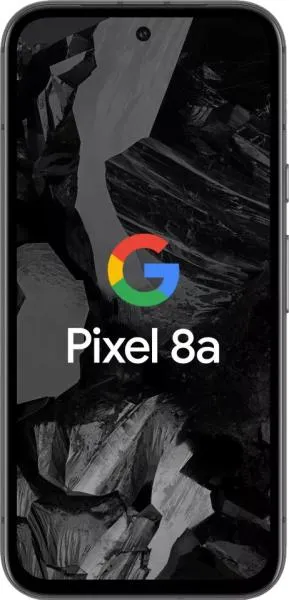
| Feature | Xiaomi Redmi Note 13 Pro+ | Google Pixel 8a | Practical Impact |
|---|---|---|---|
| Design | |||
| Dimensions | 161.4 x 74.2 x 8.9 mm | 152.1 x 72.7 x 8.9 mm | Pixel 8a is noticeably smaller and potentially easier to handle one-handed. |
| Weight | 199g | 188g | Pixel 8a is slightly lighter, contributing to better one-handed use. |
| Display | |||
| Size | 6.67" | 6.1" | Redmi offers a larger screen for more immersive media consumption; Pixel 8a prioritizes portability. |
| Type | AMOLED, 120Hz | OLED, 120Hz | Both offer smooth scrolling and animations. AMOLED generally offers more vibrant colors and deeper blacks. |
| Resolution | 1220 x 2712 | 1080 x 2400 | Redmi boasts a sharper display (446 ppi vs 430 ppi), though the difference may not be noticeable in everyday use. |
| Peak Brightness | 1800 nits | 2000 nits | Pixel 8a should offer better visibility in direct sunlight. |
| Performance | |||
| Chipset | Mediatek Dimensity 7200 Ultra | Google Tensor G3 | Tensor G3 is known for its AI capabilities and optimized performance within the Google ecosystem. Dimensity 7200 Ultra focuses on raw performance and efficiency. Real-world performance differences require benchmarking. |
| CPU | Octa-core (2x2.8 GHz Cortex-A715 & 6x2.0 GHz Cortex-A510) | Octa-core (1x3.0 GHz Cortex-X3 & 4x2.45 GHz Cortex-A715 & 4x2.15 GHz Cortex-A510) | Tensor G3's Cortex-X3 core likely provides a performance edge in demanding tasks. |
| GPU | Mali-G610 MC4 | Immortalis-G715s MC10 | Pixel 8a's GPU is significantly more powerful, leading to better gaming and graphics-intensive application performance. |
| RAM/Storage | 8/256GB, 12/256GB, 12/512GB | 8/256GB | Redmi offers more RAM options for potentially better multitasking. |
| Camera | |||
| Video Capabilities | Up to 4K@30fps (EIS) | Up to 4K@60fps (OIS) | Pixel 8a offers superior video recording capabilities with higher resolution and frame rates, along with optical image stabilization (OIS) for smoother footage. |
| Specific Camera Sensor details | Missing | Missing | Cannot compare camera quality without sensor specifications and aperture information. |
| Battery | |||
| Capacity | 5000 mAh | 4385 mAh | Redmi offers a larger battery, potentially leading to longer battery life. However, real-world usage varies. |
| Software | |||
| OS | Android 13 | Android 14 | Pixel 8a launches with the latest Android version and benefits from longer software support directly from Google. |
| OS Max Version | 16 | 21 | Pixel will receive significantly more major OS updates, ensuring security and feature updates for a longer period. |
2. Key Differences Analysis
Xiaomi Redmi Note 13 Pro+ Advantages:
- Larger Display: More immersive for media consumption.
- Higher Resolution Display: Sharper image quality.
- Larger Battery: Potentially longer battery life.
- More RAM/Storage Options: Greater flexibility for users.
Google Pixel 8a Advantages:
- More Compact and Lighter: Easier for one-handed use and portability.
- Brighter Display: Better outdoor visibility.
- More Powerful GPU: Superior gaming and graphics performance.
- More Powerful CPU: Better performance for demanding tasks.
- Superior Video Recording: Higher resolution, frame rate, and OIS.
- Latest Android Version and Longer Software Support: Ensures up-to-date features and security patches for a longer period.
3. User Profiles & Recommendations
Redmi Note 13 Pro+: Users prioritizing media consumption, large screen size, and potentially longer battery life on a budget.
Pixel 8a: Users prioritizing a compact phone, smooth performance, excellent camera, long-term software updates, and a clean Android experience. Best for those heavily invested in the Google ecosystem.
4. Decision Framework
Key Questions for Buyers:
- What screen size do you prefer? Large screen for media or compact for one-handed use?
- How important is software update longevity?
- What is your budget and what are your performance requirements? Gaming? General use?
My Choice: Google Pixel 8a
While the Redmi Note 13 Pro+ offers a larger display and battery, the Pixel 8a provides a more well-rounded package for my needs. The significantly more powerful GPU and CPU, coupled with longer software support and a cleaner Android experience from Google, outweigh the benefits of the Redmi. The Pixel 8a's superior video recording capabilities and compact form factor are also compelling features. Although I acknowledge the Redmi's attractive price point and larger display might appeal to some, I prioritize performance, software updates, and a compact design, making the Pixel 8a the better choice for me.
