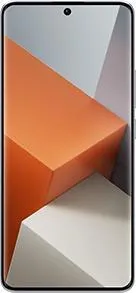

1. Specifications Comparison
| Feature | Xiaomi Redmi Note 13 Pro+ | Cubot KingKong X | Practical Impact |
|---|---|---|---|
| Design | |||
| Dimensions (mm) | 161.4 x 74.2 x 8.9 | 170.9 x 82.2 x 18.7 | Redmi is significantly slimmer and lighter, making it more pocketable and comfortable for one-handed use. KingKong X is much larger and heavier, likely more rugged. |
| Weight (g) | 199 | 388 | Redmi is much lighter for daily use; KingKong X's weight suggests a rugged build, potentially impacting portability. |
| Fingerprint Sensor | Under Display | Side-mounted | Preference-based, but under-display is often perceived as more modern. Side-mounted can be faster and easier to reach for some. |
| Display | |||
| Display Type | AMOLED, 68B colors, 120Hz, Dolby Vision, HDR10+ | IPS LCD, 120Hz | Redmi's AMOLED offers richer colors, deeper blacks, and HDR support for superior visual quality. KingKong X's LCD will likely appear washed out in comparison. |
| Display Size (inches) | 6.67 | 6.58 | Negligible size difference. |
| Resolution | 1220 x 2712 | 1080 x 2408 | Redmi has a significantly sharper display (446 ppi vs 401 ppi), resulting in crisper text and images. |
| Peak Brightness (nits) | 1800 | Not specified | Redmi's exceptionally high peak brightness ensures excellent outdoor visibility. Lack of data for KingKong X prevents comparison but given it's an LCD, we can expect it to be significantly lower. |
| Performance | |||
| Chipset | Mediatek Dimensity 7200 Ultra (4 nm) | Mediatek Dimensity 7050 (6 nm) | 7200 Ultra is newer and likely more powerful and efficient than the 7050, leading to smoother performance and better battery life. |
| CPU | Octa-core (2x2.8 GHz Cortex-A715 & 6x2.0 GHz Cortex-A510) | Octa-core (2x2.6 GHz Cortex-A78 & 6x2.0 GHz Cortex-A55) | While both have similar core configurations, the architectural differences (A715 vs A78) might give the 7200 Ultra a performance edge in certain tasks. |
| GPU | Mali-G610 MC4 | Mali-G68 MC4 | G68 is generally considered more powerful than the G610, but real-world gaming performance can vary based on optimization. |
| RAM/Storage | 8/512GB, 12/512GB, 12/256GB | 16/512GB | KingKong X offers more RAM in this configuration, which could improve multitasking. |
| Battery | |||
| Capacity (mAh) | 5000 | 10200 | KingKong X has a massively larger battery, likely offering significantly longer battery life. Redmi's battery is more typical for its size and weight. |
| Camera | |||
| Video Capabilities | 4K@24/30fps (EIS), 1080p@30/60/120fps (EIS) | 4K@30fps, 1080p@30fps | Redmi offers more video recording options, including higher frame rates and Electronic Image Stabilization (EIS) for smoother footage. Limited information on KingKong X camera prevents detailed comparison. |
| Other | |||
| OS | Android 13 | Android 14 | KingKong X ships with a newer Android version out of the box. |
2. Key Differences Analysis
Xiaomi Redmi Note 13 Pro+ Advantages:
- Superior Display: AMOLED with higher resolution, HDR, and extreme brightness.
- Sleek Design: Slimmer, lighter, and more pocketable.
- Potentially Faster Performance: Newer and more power-efficient chipset.
- More Versatile Video Recording: Higher frame rates and EIS.
Cubot KingKong X Advantages:
- Massive Battery: Significantly longer battery life.
- More RAM: Better multitasking potential.
- Newer Android Version: Android 14 out of the box.
Trade-offs:
- Redmi prioritizes display quality, design, and performance but has a smaller battery.
- KingKong X focuses on ruggedness and battery life but compromises on display quality and sleekness.
3. User Profiles & Recommendations
Redmi Note 13 Pro+: Users who value a premium multimedia experience, sleek design, and smooth performance. Ideal for:
- Content consumption (videos, gaming)
- Photography and videography
- Everyday use with a focus on portability
Cubot KingKong X: Users prioritizing extreme battery life and ruggedness. Ideal for:
- Outdoor activities and travel
- Extended use without charging
- Users in demanding environments
4. Decision Framework
Key Questions:
- What is your budget? Both are mid-range, but specific pricing should be compared.
- What is your primary use case? (e.g., media consumption, outdoor adventures)
- Which features are most important to you? (e.g., display quality, battery life, ruggedness)
My Choice: Xiaomi Redmi Note 13 Pro+
While the Cubot KingKong X boasts a massive battery and more RAM, the Redmi Note 13 Pro+ offers a significantly better overall package for my needs. The superior AMOLED display, slimmer design, and potentially faster performance are more important to me than extreme battery life. I value a premium multimedia experience and portability for daily use, and the Redmi delivers on those aspects. I also prioritize having a sharp, bright display for outdoor use, and the Redmi's 1800 nits peak brightness far surpasses the expected brightness of the KingKong X's LCD. While the KingKong X's huge battery is tempting, I can manage with the Redmi's battery using power banks if needed. The trade-off in display quality and design is too significant for me to choose the KingKong X.
