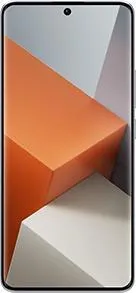
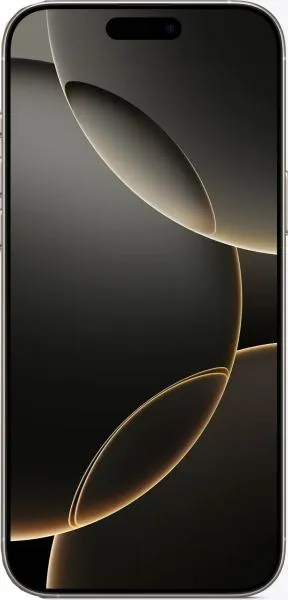
1. Specifications Comparison
| Feature | Category | Xiaomi Redmi Note 13 Pro+ | Apple iPhone 16 Pro Max | Practical Impact |
|---|---|---|---|---|
| Dimensions | Design | 161.4 x 74.2 x 8.9 mm | 163 x 77.6 x 8.3 mm | iPhone 16 Pro Max is slightly larger and potentially less comfortable for one-handed use. Redmi is lighter and thinner. |
| Weight | Design | 199g | 227g | Noticeable weight difference; Redmi offers better portability. |
| Build | Design | Not specified | Not specified | Build materials impact durability and premium feel; information lacking for a comprehensive comparison. |
| Display Size | Display | 6.67" | 6.9" | iPhone offers a larger screen for media consumption and multitasking, but may be less pocketable. |
| Display Type | Display | AMOLED, 120Hz | LTPO Super Retina XDR OLED, 120Hz | Both offer smooth scrolling and vibrant colors. LTPO on iPhone can dynamically adjust refresh rate for power saving. |
| Resolution | Display | 1220 x 2712 (446 ppi) | 1320 x 2868 (460 ppi) | iPhone has a slightly sharper display due to higher pixel density, though the difference may not be noticeable in everyday use. |
| Peak Brightness | Display | 1800 nits | 2000 nits (HBM) | iPhone's higher peak brightness ensures better visibility in direct sunlight. |
| Chipset | Performance | Mediatek Dimensity 7200 Ultra (4 nm) | Apple A18 Pro (3 nm) | A18 Pro expected to significantly outperform Dimensity 7200 Ultra in demanding tasks and gaming. |
| CPU | Performance | Octa-core (2x2.8 GHz Cortex-A715 & 6x2.0 GHz Cortex-A510) | Hexa-core (2x4.05 GHz + 4x2.42 GHz) | A18's architecture and higher clock speeds suggest superior performance. |
| GPU | Performance | Mali-G610 MC4 | Apple GPU (6-core graphics) | Apple's custom GPU expected to offer superior graphics performance for gaming and visually intensive applications. |
| RAM | Performance | 8GB/12GB | 8GB | Both offer sufficient RAM for multitasking, though 12GB option on Redmi might provide better performance in memory-intensive scenarios. |
| Storage | Performance | 256GB, 512GB | 512GB, 1TB | iPhone offers a higher storage tier (1TB) for users needing ample space for photos, videos, and apps. |
| Battery Capacity | Battery | 5000 mAh | 4685 mAh | Redmi has a larger battery capacity, potentially offering longer battery life. Real-world usage will depend on software optimization. |
| OS | Software | Android 13 | iOS 18 | Different operating systems cater to different user preferences and ecosystems. |
| Charging Speed | Battery | Not specified | Not specified | Charging speeds significantly impact usability; lack of information hinders comparison. |
| Camera Specifications | Camera | Not specified | Not specified | Camera performance is a crucial factor; detailed specifications needed for meaningful comparison. |
2. Key Differences Analysis
Xiaomi Redmi Note 13 Pro+ Advantages:
- Lower Price: Expected to be significantly more affordable.
- Larger Battery: Potentially longer battery life.
- Higher RAM Option: 12GB RAM configuration available for demanding users.
- Lighter and Thinner: Improved portability and one-handed usage.
Apple iPhone 16 Pro Max Advantages:
- Superior Performance: A18 Pro chip and custom GPU expected to deliver significantly better performance.
- Sharper Display: Slightly higher pixel density.
- Higher Peak Brightness: Enhanced outdoor visibility.
- Larger Storage Option: 1TB option for users needing extensive storage.
- Advanced Software and Ecosystem: iOS known for its smooth performance, timely updates, and robust app ecosystem.
Trade-offs:
- Price vs. Performance: Redmi offers better value, while iPhone prioritizes performance.
- Battery Life vs. Performance: Redmi's larger battery might offer longer battery life, but iPhone's optimized software could offset this.
- OS Ecosystem: Android offers greater customization, while iOS is known for simplicity and security.
3. User Profiles & Recommendations
Xiaomi Redmi Note 13 Pro+:
- Budget-conscious users: Seeking a feature-rich phone without a premium price tag.
- Casual users: Primarily using their phone for social media, browsing, and light gaming.
- Users prioritizing battery life: The larger battery capacity might appeal to users concerned about battery longevity.
Apple iPhone 16 Pro Max:
- Power users: Demanding top-tier performance for gaming, video editing, and other intensive tasks.
- Creative professionals: Utilizing the phone for photography, videography, and content creation.
- Users prioritizing a seamless software experience: Valuing iOS's simplicity, security, and app ecosystem.
4. Decision Framework
Key Questions for Buyers:
- What is your budget? The iPhone 16 Pro Max will command a significantly higher price.
- What are your primary phone usage patterns? Casual users might find the Redmi sufficient, while power users will need the iPhone's performance.
- Which operating system do you prefer? Android offers customization, while iOS prioritizes ease of use and a curated app experience.
My Choice:
I would choose the Apple iPhone 16 Pro Max. While significantly more expensive, the A18 Pro chip's substantial performance advantage, coupled with the superior display and expected advancements in camera technology (not detailed here but generally expected with each new iPhone Pro Max), outweigh the Redmi's benefits for my usage. I prioritize a smooth, powerful user experience and value the iOS ecosystem's robust app selection and long-term software support. The slightly larger size wouldn't be a significant deterrent for me. While the Redmi offers excellent value, my workflow demands the raw power and polished experience expected from the iPhone 16 Pro Max.
