1. Specifications Comparison
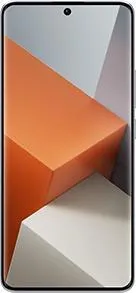
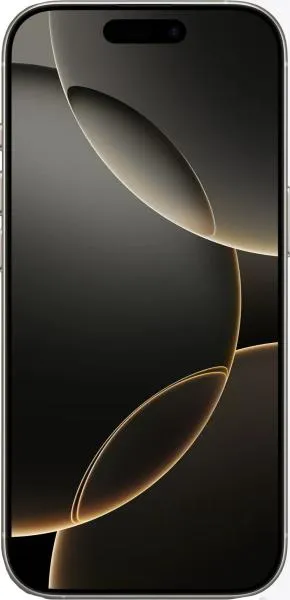
| Feature | Xiaomi Redmi Note 13 Pro+ | Apple iPhone 16 Pro | Practical Impact |
|---|---|---|---|
| Design | |||
| Dimensions | 161.4 x 74.2 x 8.9 mm | 149.6 x 71.5 x 8.3 mm | iPhone 16 Pro is noticeably smaller and slightly thinner, making it more pocketable. |
| Weight | 199g | 199g | Identical weight, negligible difference in hand. |
| Build Materials | Not specified | Not specified | Cannot compare build quality and feel. |
| Display | |||
| Size | 6.67 inches | 6.3 inches | Redmi provides a larger viewing area, beneficial for media consumption; iPhone offers better one-handed usability. |
| Type | AMOLED, 120Hz | LTPO Super Retina XDR OLED, 120Hz | Both offer smooth scrolling and animations. LTPO on iPhone allows for dynamic refresh rate adjustment, potentially saving battery. |
| Resolution | 1220 x 2712 (446 ppi) | 1206 x 2622 (460 ppi) | iPhone has a slightly sharper display due to higher pixel density, but the difference is minimal in real-world usage. |
| Peak Brightness | 1800 nits | 2000 nits (HBM) | iPhone 16 Pro should offer better visibility in direct sunlight. |
| Performance | |||
| Chipset | Mediatek Dimensity 7200 Ultra (4 nm) | Apple A18 Pro (3 nm) | A18 Pro is expected to significantly outperform the Dimensity 7200 Ultra in both CPU and GPU tasks. |
| CPU | Octa-core (2x2.8 GHz Cortex-A715 & 6x2.0 GHz Cortex-A510) | Hexa-core (2x4.05 GHz + 4x2.42 GHz) | Apple's custom core architecture generally provides superior single-core and multi-core performance. |
| GPU | Mali-G610 MC4 | Apple GPU (6-core graphics) | Apple's GPUs are known for their strong performance, likely exceeding the Mali-G610 MC4 in gaming and graphics-intensive tasks. |
| RAM | 8GB/12GB | 8GB | While both offer ample RAM for most tasks, the 12GB option on the Redmi could provide better multitasking performance in specific scenarios. |
| Battery | |||
| Capacity | 5000 mAh | 3582 mAh | Redmi has a significantly larger battery, suggesting longer battery life. However, real-world usage depends on optimization. |
| Camera | |||
| Video Capabilities | Up to 4K@30fps (EIS) | Up to 4K@120fps (HDR) | iPhone offers significantly more advanced video recording capabilities with higher frame rates and HDR support. |
| Specific Sensor Details | Not specified for either phone | Not specified for either phone | Cannot compare camera quality and features without sensor specifics. |
| Other | |||
| Price Range | Medium | High | Significant price difference, Redmi offering better value on paper. |
| OS | Android 13 | iOS 18 | Different operating systems cater to different user preferences and ecosystems. |
| USB | USB Type-C 2.0 | USB Type-C 3.2 Gen 2 | iPhone offers significantly faster data transfer speeds. |
2. Key Differences Analysis
Xiaomi Redmi Note 13 Pro+ Advantages:
- Larger Display: Better for media consumption and multitasking.
- Significantly Larger Battery: Potentially much longer battery life.
- Lower Price: Offers excellent value for its specifications.
- Higher RAM Option: 12GB RAM can benefit power users.
Apple iPhone 16 Pro Advantages:
- Superior Performance: A18 Pro chip expected to deliver a significant performance advantage.
- More Advanced Video Recording: Higher frame rates, HDR support, and potentially better overall quality.
- Smaller and More Compact: Easier to handle and carry.
- Faster Data Transfer: USB 3.2 Gen 2 enables quick file transfers.
- Brighter Display: Enhanced outdoor visibility.
3. User Profiles & Recommendations
Xiaomi Redmi Note 13 Pro+: Ideal for budget-conscious users who prioritize a large display, long battery life, and value for money. Excellent for media consumption, casual gaming, and everyday tasks.
Apple iPhone 16 Pro: Suited for users who demand top-tier performance, a premium mobile experience, and prioritize the Apple ecosystem. Ideal for demanding tasks, mobile gaming, professional video recording, and users who value a compact form factor.
4. Decision Framework
Key Questions for Buyers:
- What is your budget? The Redmi offers significantly better value, while the iPhone commands a premium price.
- What are your performance needs? For demanding tasks and gaming, the iPhone's A18 Pro chip is the clear winner.
- Which ecosystem do you prefer? Android offers more customization and flexibility, while iOS is known for its simplicity and seamless integration with other Apple devices.
My Choice: Apple iPhone 16 Pro
While the Redmi Note 13 Pro+ offers compelling value, I would choose the iPhone 16 Pro. The significantly superior performance of the A18 Pro chip, combined with the advanced video recording capabilities and the more compact form factor, outweigh the Redmi's advantages for my personal needs. I prioritize a smooth and powerful user experience, and I am willing to pay a premium for the expected longevity and performance consistency of the iPhone. The brighter display and faster USB transfer speeds are also valuable additions. While battery life is a concern, I prioritize performance and overall user experience. Furthermore, being within the Apple ecosystem is a significant factor in my decision.
