
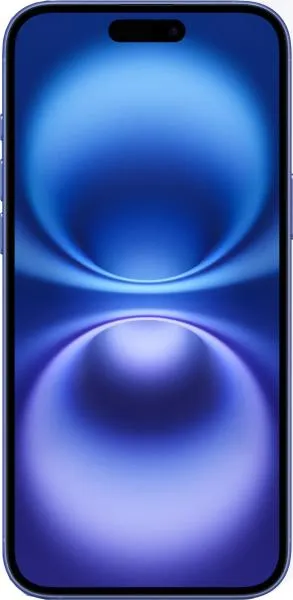
1. Specifications Comparison
| Feature | Xiaomi Redmi Note 13 Pro+ | Apple iPhone 16 Plus | Practical Impact |
|---|---|---|---|
| Design | |||
| Dimensions | 161.4 x 74.2 x 8.9 mm | 160.9 x 77.8 x 7.8 mm | iPhone 16 Plus is slightly shorter, narrower, and thinner. Negligible difference in daily use. |
| Weight | 199g | 199g | Identical weight. |
| Build Materials | Not specified | Not specified | Cannot compare without information. |
| Display | |||
| Display Type | AMOLED, 120Hz | Super Retina XDR OLED | Both offer excellent color accuracy and contrast. |
| Size | 6.67" | 6.7" | Virtually identical screen sizes. |
| Resolution | 1220 x 2712 | 1290 x 2796 | iPhone has slightly higher pixel density (460 vs 446 ppi), resulting in marginally sharper text. Difference is unlikely to be noticeable in everyday use. |
| Refresh Rate | 120Hz | Not Specified | 120Hz on the Redmi provides smoother scrolling and animations. Lack of information for the iPhone prevents comparison. |
| Peak Brightness | 1800 nits | 2000 nits (HBM) | iPhone 16 Plus likely offers better outdoor visibility due to higher peak brightness, especially with HDR content. |
| Performance | |||
| Chipset | Mediatek Dimensity 7200 Ultra (4 nm) | Apple A18 (3 nm) | A18 is expected to significantly outperform the Dimensity 7200 Ultra in both CPU and GPU tasks. |
| CPU | Octa-core (2x2.8 GHz Cortex-A715 & 6x2.0 GHz Cortex-A510) | Hexa-core (2x4.04 GHz + 4x2.20 GHz) | Apple's custom core design typically delivers superior single-core performance, important for responsiveness. |
| GPU | Mali-G610 MC4 | Apple GPU (5-core graphics) | Apple's GPUs are generally more powerful, leading to better gaming and graphics-intensive application performance. |
| RAM | 8GB/12GB | 8GB | Redmi offers a 12GB RAM option, potentially beneficial for heavy multitasking, although iOS typically manages RAM more efficiently. |
| Camera | |||
| Rear Camera | Not specified | Not specified | Cannot compare without specific sensor and lens information. |
| Video | Up to 4K@30fps (EIS) | Up to 4K@60fps (HDR), 1080p@240fps (HDR) | iPhone offers superior video recording capabilities with higher frame rates and HDR support at higher resolutions, enabling smoother and more dynamic footage. Slow-motion recording is also significantly better on the iPhone. |
| Battery | |||
| Capacity | 5000 mAh | 4674 mAh | Redmi has a larger battery capacity, but real-world battery life depends on optimization; therefore, we cannot definitively say which lasts longer. |
| Charging | Not specified | Not specified | Cannot compare charging speeds without information. |
2. Key Differences Analysis
Xiaomi Redmi Note 13 Pro+ Advantages:
- Potentially Longer Battery Life: Larger battery capacity suggests potentially longer usage time, but this depends heavily on software optimization.
- Higher RAM Option: 12GB RAM variant might provide better multitasking performance for demanding users.
- Potentially Lower Price: Redmi phones are generally more affordable.
Apple iPhone 16 Plus Advantages:
- Superior Performance: The A18 chip is expected to provide significantly faster processing and graphics performance.
- Better Video Recording: Offers higher resolution and frame rates for video, along with superior slow-motion capture.
- Ecosystem Integration: Seamless integration with other Apple devices and services.
- Longer Software Support: Apple typically provides longer software updates compared to Android manufacturers.
3. User Profiles & Recommendations
Xiaomi Redmi Note 13 Pro+: Users seeking a large display, potentially long battery life, and a more affordable option, prioritizing value for money. Suitable for everyday tasks, media consumption, and casual gaming.
Apple iPhone 16 Plus: Users prioritizing performance, premium user experience, seamless ecosystem integration, long-term software support, and superior video recording capabilities. Suitable for demanding tasks, gaming, content creation, and users heavily invested in the Apple ecosystem.
4. Decision Framework
Key Questions for Buyers:
- Budget: How much are you willing to spend?
- Performance Needs: Do you need top-tier performance for demanding tasks or gaming?
- Ecosystem Preference: Are you invested in the Apple ecosystem or prefer the flexibility of Android?
Scenario-Based Recommendations:
- Tight Budget, Casual User: Redmi Note 13 Pro+
- Demanding User, Value Performance: iPhone 16 Plus (if within budget)
- Prioritize Ecosystem, Long-Term Support: iPhone 16 Plus
My Choice: Apple iPhone 16 Plus
While lacking some specific details like charging speeds and camera sensor specifics, the iPhone 16 Plus emerges as the stronger contender due to its expected superior performance from the A18 Bionic chip, significantly better video recording capabilities, and the promise of longer software updates and ecosystem integration. Though the Redmi Note 13 Pro+ offers a larger battery and potentially lower price, the performance gap and the advantages of the Apple ecosystem outweigh these benefits for me. The iPhone's smoother performance, especially for demanding tasks and gaming, coupled with its superior video capabilities, make it a more future-proof and compelling device in the long run.
