
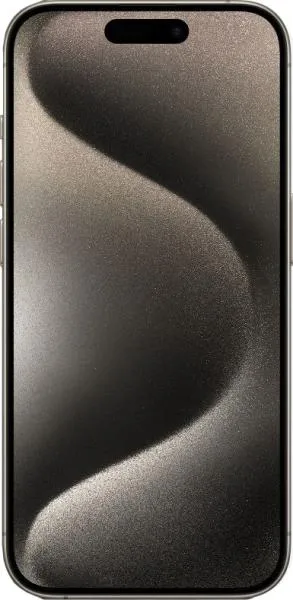
1. Specifications Comparison
| Feature | Xiaomi Redmi Note 13 Pro+ | Apple iPhone 15 Pro | Practical Impact |
|---|---|---|---|
| Design | |||
| Dimensions | 161.4 x 74.2 x 8.9 mm | 146.6 x 70.6 x 8.3 mm | iPhone 15 Pro is noticeably smaller and thinner, making it more pocketable and potentially easier to handle for some users. |
| Weight | 199g | 187g | iPhone 15 Pro is lighter, reducing hand fatigue during extended use. |
| Build Materials | Not specified | Titanium frame | The iPhone's titanium frame offers superior durability and scratch resistance compared to unspecified materials of the Redmi. |
| Display | |||
| Size | 6.67" | 6.1" | Redmi offers a larger screen for more immersive media consumption and multitasking, while the iPhone's smaller size benefits one-handed usability. |
| Type | AMOLED, 120Hz | LTPO Super Retina XDR OLED, 120Hz | Both offer smooth scrolling and animations due to the 120Hz refresh rate. LTPO technology on the iPhone allows for more granular refresh rate control, potentially saving battery. |
| Resolution | 1220 x 2712 | 1179 x 2556 | Redmi boasts a slightly higher resolution, resulting in marginally sharper text and images. However, both are high-resolution displays with minimal real-world difference in clarity. |
| Peak Brightness | 1800 nits | 2000 nits (HBM) | iPhone 15 Pro can achieve higher peak brightness, improving outdoor visibility in direct sunlight. |
| Performance | |||
| Chipset | Mediatek Dimensity 7200 Ultra (4 nm) | Apple A17 Pro (3 nm) | A17 Pro, being a newer generation chip built on a smaller process node, is expected to deliver significantly faster performance and better power efficiency. |
| CPU | Octa-core (2x2.8 GHz Cortex-A715 & 6x2.0 GHz Cortex-A510) | Hexa-core (2x3.78 GHz + 4x2.11 GHz) | Apple's custom-designed CPU architecture generally offers superior single-core and multi-core performance compared to the Redmi's configuration. |
| GPU | Mali-G610 MC4 | Apple GPU (6-core graphics) | Apple's integrated GPU generally offers better graphics performance, especially for demanding games and applications, compared to the Mali-G610. |
| RAM | 8GB/12GB | 8GB | Redmi offers a 12GB RAM option for potentially improved multitasking performance, though iOS's memory management often mitigates the need for extremely high RAM. |
| Battery | |||
| Capacity | 5000 mAh | 3274 mAh | Redmi has significantly larger battery capacity, suggesting longer battery life. However, real-world usage will depend on optimization and usage patterns. |
| Camera | |||
| Video Capabilities | Up to 4K@30fps (EIS) | Up to 4K@60fps (HDR) | iPhone offers more comprehensive video recording options, including higher frame rates and HDR recording at higher resolutions, resulting in smoother and more dynamic videos. |
2. Key Differences Analysis
Xiaomi Redmi Note 13 Pro+ Advantages:
- Larger Display: More immersive for media consumption.
- Higher Resolution: Slightly sharper visuals.
- Larger Battery: Potentially longer battery life.
- Lower Price: Offers compelling value for its specifications.
Apple iPhone 15 Pro Advantages:
- Superior Performance: Significantly faster CPU and GPU for demanding tasks and gaming.
- More Premium Build: Titanium frame for enhanced durability.
- Brighter Display: Better outdoor visibility.
- Advanced Camera Features: More versatile video recording capabilities.
- More Mature Software Ecosystem: iOS known for its stability and app optimization.
3. User Profiles & Recommendations
Redmi Note 13 Pro+: Ideal for budget-conscious users who prioritize a large display, long battery life, and good overall performance for everyday tasks. Suitable for media consumption, social media, and light gaming.
iPhone 15 Pro: Ideal for users who demand the best performance, premium design, and a polished software experience. Well-suited for demanding tasks, gaming, professional content creation, and users heavily invested in the Apple ecosystem.
4. Decision Framework
Key Questions for Buyers:
- What is your budget? The Redmi offers significantly better value in terms of price-to-performance.
- What are your performance needs? For demanding tasks and gaming, the iPhone 15 Pro is the clear winner.
- What operating system do you prefer? Consider the differences between Android and iOS ecosystems.
My Choice: Apple iPhone 15 Pro
While the Redmi Note 13 Pro+ offers incredible value for its price, I would choose the iPhone 15 Pro. The significantly superior performance of the A17 Pro chip, the more premium build quality with the titanium frame, the brighter display, and the advanced camera features are crucial for my usage. I value a smooth and responsive user experience, especially for demanding tasks and mobile gaming, where the iPhone excels. While the Redmi's larger battery is tempting, I prioritize the overall performance and ecosystem advantages offered by the iPhone. The higher price is justified for the long-term value and superior user experience it provides. I also appreciate the consistent software updates and robust app ecosystem associated with iOS.
