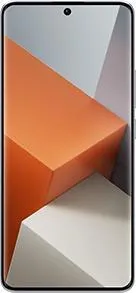

1. Specifications Comparison
| Feature | Xiaomi Redmi Note 13 Pro+ | Apple iPhone 15 | Practical Impact |
|---|---|---|---|
| Design | |||
| Dimensions | 161.4 x 74.2 x 8.9 mm | 147.6 x 71.6 x 7.8 mm | iPhone 15 is noticeably smaller and thinner, making it more pocketable and easier to handle one-handed. |
| Weight | 199g | 171g | iPhone 15 is significantly lighter, reducing hand fatigue during extended use. |
| Build Materials | Not specified | Not specified | Cannot compare build quality and durability without material information. |
| Display | |||
| Display Size | 6.67" | 6.1" | Redmi offers a larger screen for more immersive media consumption and multitasking, while the iPhone prioritizes one-handed usability. |
| Display Type | AMOLED, 120Hz | Super Retina XDR OLED | Both offer excellent color accuracy and contrast. The 120Hz refresh rate on the Redmi provides smoother animations and scrolling compared to the unspecified refresh rate of the iPhone 15 (likely 60Hz). |
| Peak Brightness | 1800 nits | 2000 nits | iPhone 15 can achieve slightly higher peak brightness, potentially improving outdoor visibility. |
| Resolution | 1220 x 2712 (446 ppi) | 1179 x 2556 (461 ppi) | iPhone 15 has a slightly sharper display due to higher pixel density, though the difference may not be noticeable in everyday use. |
| Performance | |||
| Chipset | Mediatek Dimensity 7200 Ultra (4 nm) | Apple A16 Bionic (4 nm) | A16 Bionic generally outperforms the Dimensity 7200 Ultra in benchmarks, resulting in faster app loading, smoother multitasking, and better gaming performance. Real-world differences might vary. |
| CPU | Octa-core (2x2.8 GHz Cortex-A715 & 6x2.0 GHz Cortex-A510) | Hexa-core (2x3.46 GHz Everest + 4x2.02 GHz Sawtooth) | Apple's custom core architecture often provides superior single-core performance, crucial for responsive user interface and app launching. |
| GPU | Mali-G610 MC4 | Apple GPU (5-core graphics) | Apple's GPU is typically optimized for iOS, offering better gaming and graphics performance within the Apple ecosystem. |
| RAM | 8GB/12GB | 6GB | Redmi offers configurations with more RAM, potentially benefiting multitasking and demanding applications. However, iOS memory management differs from Android, so direct comparison is difficult. |
| Battery | |||
| Capacity | 5000 mAh | 3349 mAh | Redmi has a significantly larger battery, likely resulting in longer battery life. Real-world usage will depend on individual usage patterns and software optimization. |
| Camera | |||
| Video Capabilities | Up to 4K@30fps (EIS) | Up to 4K@60fps (HDR) | iPhone offers higher resolution and frame rate video recording with HDR, resulting in significantly better video quality. |
| Specific sensor details | Missing | Missing | Detailed camera sensor specifications (sensor size, aperture) are crucial for comparing image quality but are not provided. |
2. Key Differences Analysis
Xiaomi Redmi Note 13 Pro+ Advantages:
- Larger Display: More immersive for media consumption and multitasking.
- Higher Refresh Rate Display: Smoother scrolling and animations.
- Larger Battery: Potentially longer battery life.
- More RAM: Potentially better for demanding tasks and multitasking, though a direct comparison with iOS is difficult.
- Potentially Lower Price: Redmi devices are typically more affordable.
Apple iPhone 15 Advantages:
- More Powerful Chipset: Faster performance in demanding tasks and gaming.
- Superior Video Recording: Higher resolution and frame rates with HDR.
- Smaller and Lighter Design: Easier to handle and carry.
- iOS Ecosystem: Tight integration with other Apple devices and services.
- Generally Longer Software Support: Apple provides longer OS and security updates.
Trade-offs:
- Redmi: Potentially less refined software experience compared to iOS. Performance might lag behind the iPhone 15 in demanding tasks.
- iPhone: Significantly smaller battery capacity potentially resulting in shorter battery life. Higher price point for comparable storage configurations.
3. User Profiles & Recommendations
Redmi Note 13 Pro+: Ideal for users who prioritize:
- Large screen for media consumption and multitasking
- Long battery life
- Value for money
- Android operating system flexibility
iPhone 15: Ideal for users who prioritize:
- Smooth performance and gaming
- High-quality video recording
- Compact and lightweight design
- Seamless integration with the Apple ecosystem
- Long-term software updates
4. Decision Framework
Key Questions for Buyers:
- What is your budget? The Redmi is likely more affordable.
- What screen size do you prefer? Larger screen (Redmi) vs. one-handed usability (iPhone).
- Which operating system do you prefer? Android (Redmi) vs. iOS (iPhone).
My Choice: Apple iPhone 15
While the Redmi Note 13 Pro+ offers a compelling package with a large display and battery, I would choose the iPhone 15. The A16 Bionic chip's superior performance, combined with the generally smoother iOS experience and longer software update support, are significant factors for me. I value a responsive and future-proof device. The higher quality video recording capabilities are also a compelling advantage. While the smaller battery is a concern, I prioritize performance and software experience over raw battery capacity. The compact form factor also aligns with my preference for a more pocketable phone. Ultimately, the decision depends on individual priorities and budget, but for my use case, the iPhone 15 is the better choice.
