1. Specifications Comparison
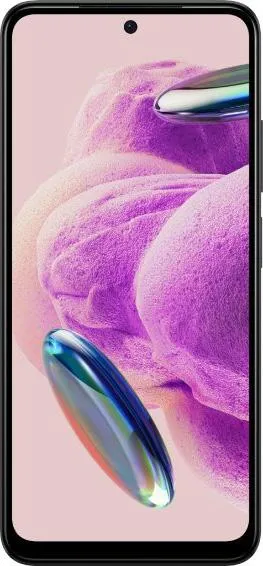
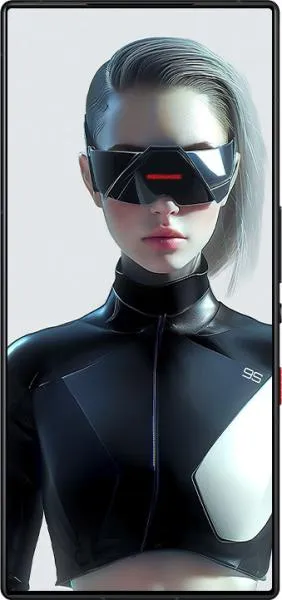
| Feature | Xiaomi Redmi Note 12S | ZTE nubia Red Magic 9S Pro | Practical Impact |
|---|---|---|---|
| Design | |||
| Dimensions (HxWxD) | 159.9 x 73.9 x 8.1 mm | 164 x 76.4 x 8.9 mm | Red Magic 9S Pro is larger and thicker. May be less comfortable for one-handed use. |
| Weight | 176g | 229g | Redmi Note 12S is significantly lighter, reducing hand fatigue during extended use. |
| Display | |||
| Display Type | AMOLED, 90Hz | AMOLED, 120Hz | Red Magic 9S Pro offers smoother animations and scrolling with its higher refresh rate. Its 1B color depth provides a wider color gamut for richer visuals, although discernible differences might be subtle for average users. |
| Display Size | 6.43" | 6.8" | Red Magic 9S Pro provides a larger screen for more immersive media consumption and gaming. |
| Resolution | 1080 x 2400 | 1116 x 2480 | Similar pixel density, resulting in comparable sharpness. |
| Peak Brightness | 1000 nits | 1600 nits (peak) | Red Magic 9S Pro offers significantly better visibility in bright sunlight. |
| Performance | |||
| Chipset | Mediatek Helio G96 (12nm) | Qualcomm Snapdragon 8 Gen 3 (4nm) | Red Magic 9S Pro boasts a vastly more powerful processor, enabling significantly faster performance in demanding tasks like gaming and multitasking. |
| CPU | Octa-core (2x2.05 GHz Cortex-A76 & 6x2.0 GHz Cortex-A55) | Octa-core (1x3.4 GHz Cortex-X4 & 3x3.2 GHz Cortex-A720 & 2x3.0 GHz Cortex-A720 & 2x2.3 GHz Cortex-A520) | The Red Magic's superior CPU architecture and clock speeds deliver a substantial performance advantage. |
| GPU | Mali-G57 MC2 | Adreno 750 (1 GHz) | Red Magic 9S Pro's GPU significantly outperforms the Redmi Note 12S, offering a superior gaming experience and smoother graphics rendering. |
| RAM | 6/8GB | 12/16GB | More RAM in the Red Magic 9S Pro allows for more apps to run in the background without impacting performance. |
| Camera | |||
| Main Camera | 108MP | 50MP | While Redmi Note 12S has higher megapixel count, Red Magic 9S Pro features a larger sensor (1/1.57") and larger pixel size, potentially offering better low-light performance and dynamic range. |
| Video Recording | 1080p@30fps | 8K@30fps | Red Magic 9S Pro offers significantly higher resolution video recording capabilities. |
| Battery | |||
| Capacity | 5000 mAh | 6500 mAh | Red Magic 9S Pro provides significantly longer battery life. |
| Charging Speed | No data | No data | Cannot compare charging speeds due to lack of information. |
2. Key Differences Analysis
Redmi Note 12S Advantages:
- Lighter and more compact: Easier to handle and carry.
- More affordable: Offers good value for its price.
Red Magic 9S Pro Advantages:
- Significantly more powerful: Superior performance for demanding tasks and gaming.
- Higher refresh rate display: Smoother and more responsive user experience.
- Larger battery: Longer usage time between charges.
- Superior camera sensor and video capabilities: Better image and video quality.
- Brighter display: Improved outdoor visibility.
- Faster charging and data transfer: USB 3.2 Gen 2 with DisplayPort offers advantages for power users.
3. User Profiles & Recommendations
Redmi Note 12S: Budget-conscious users who prioritize basic functionality, portability, and affordability over top-tier performance. Suitable for everyday tasks like browsing, social media, and casual photography.
Red Magic 9S Pro: Power users, gamers, and content creators who demand top-tier performance, a premium display, long battery life, and advanced camera features.
4. Decision Framework
Key Questions for Buyers:
- What is your budget? The Red Magic 9S Pro is significantly more expensive.
- What are your primary smartphone usage patterns? Gaming, content creation, or everyday tasks?
- Do you prioritize portability and one-handed usability? The Redmi Note 12S is lighter and more compact.
Scenario-Based Recommendations:
- Limited Budget, Casual User: Redmi Note 12S
- Demanding Gamer/Power User: Red Magic 9S Pro
- Balance of Performance and Affordability: Consider other options within the mid-range price segment.
My Choice: ZTE nubia Red Magic 9S Pro
While the Redmi Note 12S offers good value for its price, the Red Magic 9S Pro's superior performance, display, battery life, and camera capabilities make it a more compelling choice for me. I prioritize a smooth and responsive user experience, especially for gaming and multitasking, and the Snapdragon 8 Gen 3 chip, coupled with the 120Hz display, delivers exactly that. The larger battery ensures I can use the phone extensively without worrying about running out of power. While the higher price is a factor, the significant performance and feature upgrades justify the investment for my needs. The added benefit of USB 3.2 Gen 2 with DisplayPort future-proofs the device for potential use with external displays and accessories.
