1. Specifications Comparison
| Feature | Xiaomi Redmi Note 12S | ZTE nubia Red Magic 9 Pro | Practical Impact |
|---|---|---|---|
| Design | |||
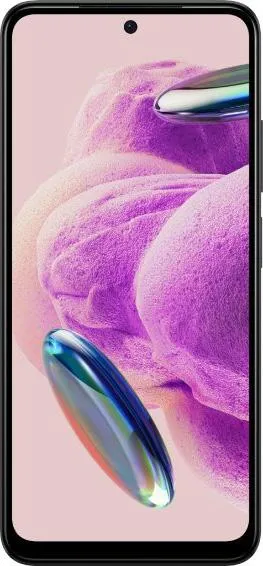
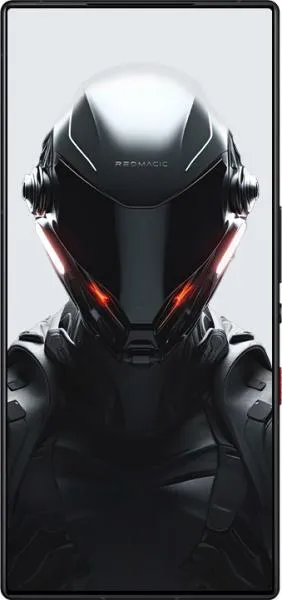
| Dimensions (mm) | 159.9 x 73.9 x 8.1 | 164 x 76.4 x 8.9 | Red Magic 9 Pro is larger and slightly thicker. |
| Weight (g) | 176 | 229 | Red Magic 9 Pro is noticeably heavier. May impact one-handed use and portability. |
| Build Material | Not specified | Not specified | Cannot compare build quality and durability. |
| Display | |||
| Display Type | AMOLED, 90Hz | AMOLED, 120Hz | Red Magic 9 Pro offers smoother scrolling and animations due to higher refresh rate. |
| Display Size (inches) | 6.43 | 6.8 | Red Magic 9 Pro has a larger screen, better for media consumption but potentially less pocketable. |
| Resolution | 1080 x 2400 | 1116 x 2480 | Similar pixel density, both sharp; Red Magic 9 Pro slightly taller aspect ratio. |
| Peak Brightness (nits) | 1000 | 1600 | Red Magic 9 Pro significantly brighter, improving outdoor visibility. |
| Performance | |||
| Chipset | Mediatek Helio G96 (12nm) | Snapdragon 8 Gen 3 (4nm) | Red Magic 9 Pro vastly more powerful, enabling demanding gaming and multitasking. |
| CPU | Octa-core (2x2.05 GHz A76 & 6x2.0 GHz A55) | Octa-core (1x3.3 GHz X4 & 3x3.2 GHz A720 & 2x3.0 GHz A720 & 2x2.3 GHz A520) | Red Magic 9 Pro offers significantly better CPU performance due to newer architecture and higher clock speeds. |
| GPU | Mali-G57 MC2 | Adreno 750 | Red Magic 9 Pro has a much more powerful GPU, crucial for high-end gaming and graphics-intensive tasks. |
| RAM | 6/8GB | 12/16GB | Red Magic 9 Pro has significantly more RAM, enabling better multitasking and smoother performance with demanding apps. |
| Camera | |||
| Main Camera | 108MP, f/1.8 | 50MP, f/1.88 | Redmi Note 12S has higher megapixel count, Red Magic 9 Pro uses a larger sensor (Samsung GN5) potentially offering better low-light performance. |
| Ultrawide | 8MP, f/2.2 | 50MP, f/2.0 | Red Magic 9 Pro has a significantly better ultrawide camera with higher resolution and wider field of view. |
| Video Recording | 1080p@30fps | 8K@30fps | Red Magic 9 Pro offers significantly higher video resolution capabilities. |
| Battery | |||
| Capacity | 5000 mAh | 6500 mAh | Red Magic 9 Pro has a larger battery, potentially lasting longer on a single charge. |
| Charging Speed | Not specified | Not specified | Cannot compare charging speeds. |
2. Key Differences Analysis
Redmi Note 12S Advantages:
- Potentially Lower Price: Likely more affordable than the Red Magic 9 Pro.
- Lighter and More Compact: Easier for one-handed use and portability.
Red Magic 9 Pro Advantages:
- Significantly More Powerful: Superior performance for gaming, multitasking, and demanding applications.
- Higher Refresh Rate Display: Smoother and more responsive visual experience.
- Brighter Display: Better outdoor visibility.
- Larger Battery: Potentially longer battery life.
- Superior Camera System: Higher quality ultrawide camera, better low light performance on the main sensor and significantly better video recording capabilities.
- More RAM: Handles demanding tasks and multitasking with ease.
- Faster Connectivity: WiFi 7 and Bluetooth 5.3, offering faster data transfer and better connection stability. USB 3.2 Gen 2 enables significantly faster data transfer speeds compared to USB 2.0 on the Redmi Note 12S. Display port functionality allows for connection to external displays.
3. User Profiles & Recommendations
Redmi Note 12S: Budget-conscious users who prioritize basic smartphone functionality, casual photography, and all-day battery life.
Red Magic 9 Pro: Gamers, power users, and content creators who demand top-tier performance, a smooth and vibrant display, and advanced camera features.
4. Decision Framework
Key Questions for Buyers:
- What is your budget? The Redmi Note 12S is likely more affordable.
- What are your primary use cases? Gaming, content creation, or everyday tasks?
- Do you prioritize portability or performance? The Redmi Note 12S is lighter and more compact, while the Red Magic 9 Pro offers superior performance.
My Choice: ZTE nubia Red Magic 9 Pro
While the Redmi Note 12S is a decent budget option, the Red Magic 9 Pro offers a significant leap in performance, display quality, and camera capabilities. The Snapdragon 8 Gen 3, coupled with the high refresh rate and bright AMOLED display, ensures a smooth and immersive user experience for demanding tasks and gaming. The larger battery and improved camera system further solidify its position as a superior device. While heavier and likely more expensive, the substantial performance and feature upgrades justify the trade-offs for me. The faster connectivity options are also a big plus for future-proofing and faster data transfer.
