1. Specifications Comparison
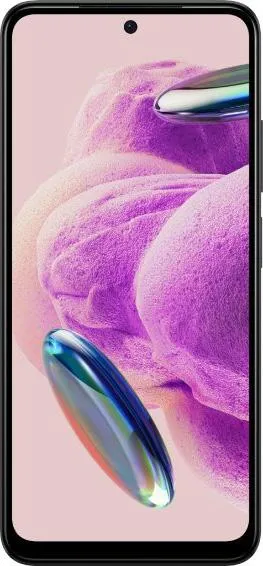
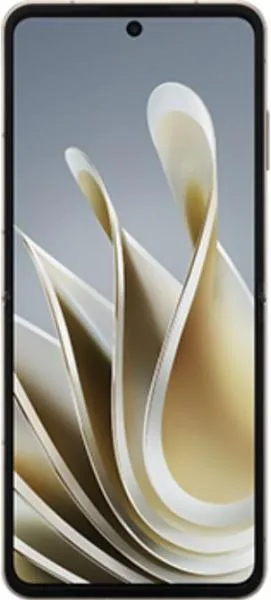
| Feature | Xiaomi Redmi Note 12S | ZTE nubia Flip | Practical Impact |
|---|---|---|---|
| Design | |||
| Dimensions (mm) | 159.9 x 73.9 x 8.1 | 170 x 75.5 x 7 | Nubia Flip is taller and wider but significantly thinner when folded. Redmi Note 12S is lighter. Nubia's foldable design offers portability but potentially added fragility. |
| Weight (g) | 176 | 214 | Redmi is noticeably lighter for one-handed use. |
| Foldable | No | Yes | Nubia Flip's foldable screen allows for a larger display in a pocketable size. |
| Display | |||
| Display Size (inches) | 6.43 | 6.9 | Nubia Flip offers a larger screen for media consumption and multitasking. |
| Resolution (px) | 1080 x 2400 | 1188 x 2790 | Nubia Flip has a higher resolution, resulting in sharper text and images. |
| Display Type | AMOLED, 90Hz | Foldable OLED, 120Hz | Nubia Flip's higher refresh rate (120Hz) provides smoother animations and scrolling compared to Redmi's 90Hz. Foldable display introduces a potential crease in the middle. |
| Peak Brightness (nits) | 1000 | Not specified | Redmi's known peak brightness allows for better visibility in direct sunlight. Nubia's unspecified brightness limits comparison. |
| Performance | |||
| Chipset | Mediatek Helio G96 (12nm) | Qualcomm Snapdragon 7 Gen 1 (4nm) | Snapdragon 7 Gen 1 offers significantly better performance and efficiency due to its more advanced architecture and smaller manufacturing process. |
| CPU | Octa-core (2x2.05 GHz A76 & 6x2.0 GHz A55) | Octa-core (1x2.4 GHz A710 & 3x2.36 GHz A710 & 4x1.8 GHz A510) | Snapdragon 7 Gen 1's newer CPU cores provide a significant performance boost in demanding tasks and multitasking. |
| GPU | Mali-G57 MC2 | Adreno 644 | Adreno 644 provides significantly better gaming and graphics performance. |
| RAM (GB) | 6/8 | 8/12 | Nubia Flip offers more RAM in its base configuration, improving multitasking capabilities. |
| Camera | |||
| Main Camera (MP) | 108 | 50 | Redmi boasts higher megapixel count, but image quality depends on factors beyond resolution (sensor size, processing). Nubia's camera details are limited. |
| Other Cameras | 8MP ultrawide, 2MP macro, 16MP selfie | 2MP depth, 16MP selfie | Redmi offers an ultrawide camera for broader shots, while Nubia only has a depth sensor for portrait mode. Selfie cameras have similar resolution. |
| Battery | |||
| Capacity (mAh) | 5000 | 4310 | Redmi Note 12S has a larger battery capacity, potentially leading to longer battery life. |
2. Key Differences Analysis
Xiaomi Redmi Note 12S Advantages:
- Longer Battery Life: Larger 5000 mAh battery.
- Higher Resolution Main Camera: 108MP sensor potentially captures more detail.
- Ultrawide Camera: Offers wider field of view for landscapes and group photos.
- Lower Price: Typically more affordable than the Nubia Flip.
- Lighter Weight: More comfortable for extended use.
ZTE nubia Flip Advantages:
- Foldable Design: Compact for portability, larger screen when unfolded.
- Higher Refresh Rate Display: Smoother scrolling and animations with 120Hz.
- Significantly More Powerful Processor: Snapdragon 7 Gen 1 provides a major performance advantage.
- More RAM: Better multitasking capabilities.
- 5G Connectivity: Offers faster data speeds in areas with 5G coverage.
3. User Profiles & Recommendations
Xiaomi Redmi Note 12S: Budget-conscious users prioritizing battery life, a decent camera, and a large display. Suitable for everyday tasks, social media, casual gaming, and photography.
ZTE nubia Flip: Users who value portability and a large screen for media consumption and multitasking. The powerful processor makes it suitable for demanding apps and gaming. The foldable design appeals to those seeking a unique and innovative device.
4. Decision Framework
Key Questions for Buyers:
- Budget: Is a foldable phone within your budget? The Nubia Flip commands a premium.
- Priority Features: Do you prioritize portability and performance (Nubia Flip) or battery life and affordability (Redmi Note 12S)?
- Usage Patterns: Will you utilize the foldable design and larger screen of the Nubia Flip, or is a traditional smartphone form factor sufficient?
My Choice: ZTE nubia Flip
While the Redmi Note 12S offers excellent value for its price, the ZTE nubia Flip's superior performance, foldable design, and higher refresh rate display are compelling. The Snapdragon 7 Gen 1 makes a noticeable difference in everyday usage and future-proofs the device better. The compact form factor when folded is a significant advantage for portability. Although battery life might be slightly shorter, the trade-off for the added functionality and performance is worthwhile for me. The higher price is justified by the innovative technology and overall user experience. I am willing to compromise slightly on battery capacity for the significant performance gains and the unique foldable form factor.
