1. Specifications Comparison
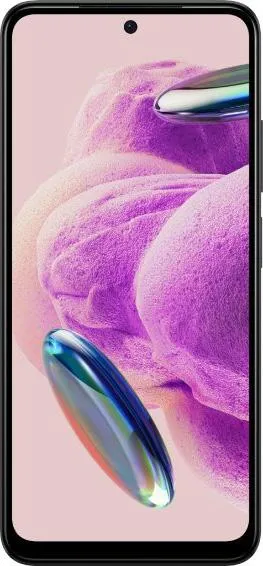
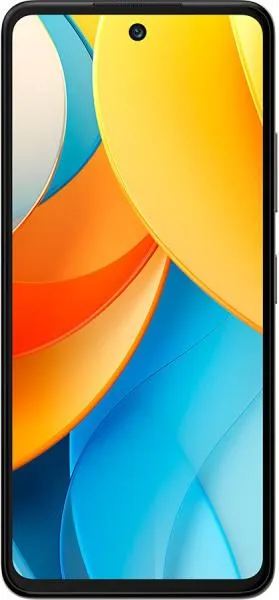
| Feature | Xiaomi Redmi Note 12S | ZTE Blade V60 Design | Practical Impact |
|---|---|---|---|
| Design | |||
| Dimensions (mm) | 159.9 x 73.9 x 8.1 | 164.2 x 75.3 x 8.6 | The Redmi is slightly smaller and thinner, making it potentially more pocketable. |
| Weight (g) | 176 | 198 | The Redmi is noticeably lighter, improving one-handed use and reducing fatigue. |
| Display | |||
| Display Type | AMOLED, 90Hz | IPS LCD, 90Hz | The Redmi's AMOLED offers deeper blacks, richer colors, and better power efficiency. |
| Resolution | 1080 x 2400 | 720 x 1612 | The Redmi's significantly higher resolution provides sharper text and images. The V60 Design's lower resolution will be noticeable in everyday use. |
| PPI | 409 | 267 | Reinforces the Redmi's sharper display; individual pixels will be less visible. |
| Peak Brightness (nits) | 1000 | Not specified | The Redmi's higher peak brightness ensures better visibility in sunlight. The lack of specified peak brightness for the V60 Design makes outdoor visibility comparison difficult. |
| Performance | |||
| Chipset | Mediatek Helio G96 | Unisoc T606 | Both are entry-level chipsets, but the Helio G96 generally benchmarks slightly higher, potentially offering smoother performance in demanding tasks and games. |
| CPU | Octa-core (2x2.05 GHz A76 & 6x2.0 GHz A55) | Octa-core (2x1.6 GHz A75 & 6x1.6 GHz A55) | The Redmi has faster core speeds, contributing to quicker app loading and multitasking. |
| GPU | Mali-G57 MC2 | Mali-G57 MP1 | The Redmi's GPU has more cores, likely leading to better gaming performance. |
| RAM | 6GB/8GB | 4GB/6GB | More RAM on the Redmi allows for smoother multitasking and less frequent app reloading. |
| Camera | |||
| Main Camera | 108MP | 50MP | While megapixels aren't everything, the Redmi's higher resolution main camera potentially offers more detail in good lighting conditions. |
| Video Recording | 1080p@30fps | 1080p@30fps | Both offer basic video recording capabilities. |
| Battery | |||
| Capacity | 5000 mAh | 5000 mAh | Similar battery capacities suggest comparable battery life, but real-world usage will vary based on other factors like display and processor efficiency. |
2. Key Differences Analysis
Xiaomi Redmi Note 12S Advantages:
- Superior Display: The AMOLED display with higher resolution and brightness provides a significantly better viewing experience.
- Better Performance: The slightly more powerful chipset and faster CPU/GPU translate to smoother overall performance.
- Potentially Better Camera: The higher resolution main camera may offer more detail in photos.
ZTE Blade V60 Design Advantages:
- Lower Price: Positioned in a lower price bracket, offering potentially higher value for budget-conscious buyers.
- Larger Storage Option: Offers a 256GB storage option, beneficial for users who need ample space for media.
Trade-offs:
- The ZTE Blade V60 Design sacrifices display quality and performance for a lower price.
- The Redmi Note 12S has a smaller maximum storage option.
3. User Profiles & Recommendations
Xiaomi Redmi Note 12S: Suitable for users who prioritize display quality, performance, and a smooth user experience. Ideal for media consumption, gaming, and everyday tasks.
ZTE Blade V60 Design: Best for budget-conscious users who primarily use their phone for basic communication, web browsing, and light tasks. The larger storage option is beneficial for storing photos and videos.
4. Decision Framework
Key Questions for Buyers:
- What is your budget? The ZTE is significantly cheaper.
- How important is display quality and performance? The Redmi excels in these areas.
- What are your primary phone usage patterns? The Redmi is better for demanding tasks, while the ZTE is sufficient for basic use.
Scenario-Based Recommendations:
- Limited Budget: ZTE Blade V60 Design
- Prioritize Display and Performance: Xiaomi Redmi Note 12S
- Heavy Media Consumption: Xiaomi Redmi Note 12S
- Basic Use and Large Storage Needs: ZTE Blade V60 Design
My Choice: Xiaomi Redmi Note 12S
While the ZTE Blade V60 Design offers a lower price, the significant compromises in display quality and performance are dealbreakers for me. The Redmi Note 12S provides a noticeably better user experience with its vibrant AMOLED display, smoother performance, and potentially superior camera. The slightly higher price is justified by these tangible improvements in daily usage. I value a responsive and visually appealing phone, and the Redmi Note 12S delivers on those aspects. The lower resolution of the ZTE would significantly impact my enjoyment of media and general phone usage.
