1. Specifications Comparison
| Feature | Xiaomi Redmi Note 12S | ZTE Blade A75 4G | Practical Impact |
|---|---|---|---|
| Design | |||
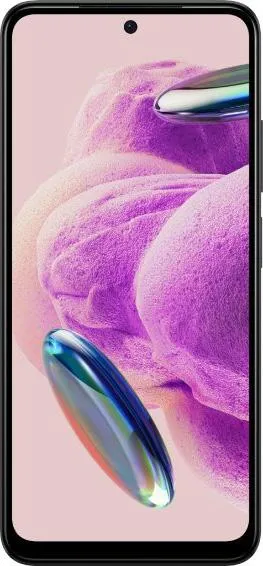
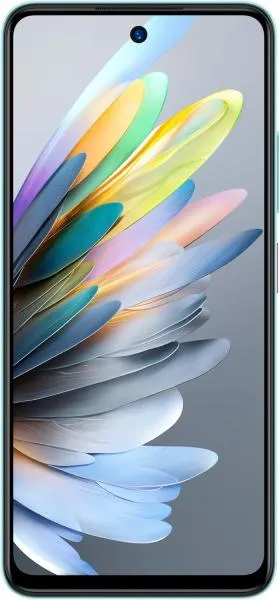
| Dimensions (mm) | 159.9 x 73.9 x 8.1 | 164.1 x 75.8 x 8.6 | Redmi Note 12S is slightly smaller and thinner. |
| Weight (g) | 176 | 189 | Redmi Note 12S is noticeably lighter, improving one-handed use. |
| Display | |||
| Display Type | AMOLED, 90Hz | IPS LCD, 90Hz | Redmi's AMOLED offers deeper blacks, more vibrant colors, and potentially better power efficiency. |
| Resolution | 1080 x 2400 | 720 x 1612 | Redmi Note 12S has a significantly sharper display, resulting in clearer text and images. |
| Pixel Density (PPI) | 409 | 267 | Redmi Note 12S provides a much crisper viewing experience. |
| Peak Brightness (nits) | 1000 | Not specified | Redmi Note 12S likely offers better outdoor visibility. Missing ZTE Blade A75 4G data limits comparison. |
| Performance | |||
| Chipset | Mediatek Helio G96 | Unisoc T606 | Both offer similar performance in everyday tasks, but the Helio G96 might have a slight edge in gaming. |
| CPU | Octa-core (2x2.05 GHz A76 & 6x2.0 GHz A55) | Octa-core (2x1.6 GHz A75 & 6x1.6 GHz A55) | Redmi Note 12S has faster CPU cores, potentially leading to quicker app loading and multitasking. |
| GPU | Mali-G57 MC2 | Mali-G57 MP1 | Redmi Note 12S has a more powerful GPU, resulting in smoother gaming and graphics performance. |
| RAM | 6GB/8GB | 4GB/8GB | Both offer configurations for varying needs. More RAM enables better multitasking. |
| Camera | |||
| Main Camera | 108MP | 50MP | Redmi Note 12S boasts higher resolution, potentially capturing more detail. Real-world performance depends on image processing. |
| Other Cameras | 8MP ultrawide, 2MP macro, 16MP selfie | 0.3MP unspecified, 8MP selfie | Redmi Note 12S offers a more versatile camera setup with an ultrawide lens. The 0.3MP camera on the ZTE is likely of limited use. |
| Battery | |||
| Capacity | 5000 mAh | 5000 mAh | Similar battery capacities suggest comparable battery life, though actual usage varies. |
2. Key Differences Analysis
Xiaomi Redmi Note 12S Advantages:
- Superior Display: AMOLED technology and higher resolution deliver a significantly better viewing experience.
- Enhanced Performance: Faster CPU and more powerful GPU translate to smoother overall performance, especially in gaming.
- More Versatile Camera System: The inclusion of an ultrawide lens adds flexibility for photography.
ZTE Blade A75 4G Advantages:
- Potentially Lower Price: Belonging to a lower price range, it offers greater affordability.
- Larger Display: While lower resolution, the larger screen size might be preferred by some for media consumption.
3. User Profiles & Recommendations
Xiaomi Redmi Note 12S: Suitable for users who prioritize display quality, performance, and camera versatility. Ideal for gaming, media consumption, and photography enthusiasts.
ZTE Blade A75 4G: Best suited for budget-conscious users who prioritize basic functionality and a large screen for casual use. Ideal for users primarily focused on communication, web browsing, and light media consumption.
4. Decision Framework
Key Questions for Buyers:
- What is your budget? The ZTE Blade A75 4G is likely more affordable.
- What are your primary smartphone uses? The Redmi Note 12S excels in demanding tasks like gaming and photography.
- How important is display quality? The Redmi Note 12S's AMOLED screen offers a significant advantage.
Scenario-Based Recommendations:
- Tight Budget, Basic Usage: ZTE Blade A75 4G
- Balanced Needs, Value for Money: Xiaomi Redmi Note 12S
- Gaming and Photography Enthusiast: Xiaomi Redmi Note 12S
My Choice: Xiaomi Redmi Note 12S
While the ZTE Blade A75 4G offers a larger screen and potential cost savings, the Xiaomi Redmi Note 12S provides a significantly better overall user experience. The superior AMOLED display, faster performance, and more versatile camera system outweigh the minor size and potential price difference. The noticeably lighter weight of the Redmi Note 12S also contributes to a more comfortable user experience. For my personal use, which involves gaming, photography, and media consumption, the Redmi Note 12S is the clear winner.
