1. Specifications Comparison
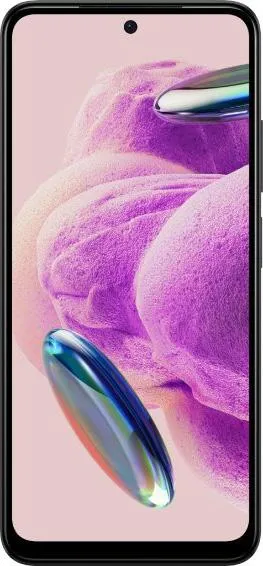
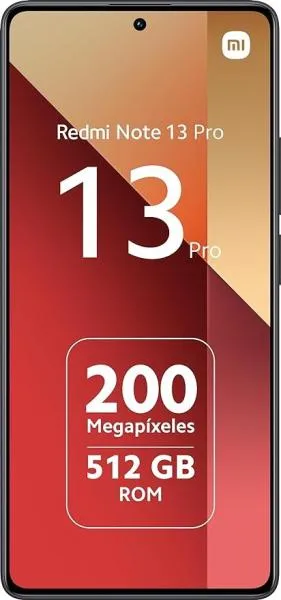
| Feature | Xiaomi Redmi Note 12S | Xiaomi Redmi Note 13 Pro 4G | Practical Impact |
|---|---|---|---|
| Design | |||
| Dimensions (mm) | 159.9 x 73.9 x 8.1 | 161.1 x 75 x 8 | Note 13 Pro slightly larger |
| Weight (g) | 176 | 188 | Note 13 Pro slightly heavier, might be noticeable in prolonged use |
| Fingerprint Sensor | Side-mounted | Under-display | Preference-based, both reliable |
| Display | |||
| Size (inches) | 6.43 | 6.67 | Note 13 Pro offers a larger viewing area for media consumption |
| Resolution (px) | 1080 x 2400 | 1080 x 2400 | Same resolution, but Note 13 Pro has lower pixel density due to larger size |
| Refresh Rate (Hz) | 90 | 120 | Note 13 Pro provides smoother scrolling and animations |
| Peak Brightness (nits) | 1000 | 1300 | Note 13 Pro offers better visibility in bright sunlight |
| Performance | |||
| Chipset | Mediatek Helio G96 | Mediatek Helio G99 Ultra | G99 offers slight performance improvements, likely noticeable in demanding tasks |
| CPU | Octa-core (2x2.05 GHz A76 & 6x2.0 GHz A55) | Octa-core (2x2.2 GHz A76 & 6x2.0 GHz A55) | Slightly faster clock speed on Note 13 Pro, translates to minor performance gains |
| GPU | Mali-G57 MC2 | Mali-G57 MC2 | Same GPU, similar graphics performance |
| RAM (GB) | 6/8 | 8/12 | Note 13 Pro offers more RAM in its base configuration, better for multitasking |
| Camera | |||
| Main Camera (MP) | 108 | 200 | Note 13 Pro has significantly higher resolution, potentially better detail and low-light performance |
| Ultrawide (MP) | 8 | 8 | Same resolution |
| Selfie Camera (MP) | 16 | 16 | Same resolution |
| Optical Stabilization | No | Yes | Note 13 Pro offers OIS for steadier videos and potentially better low-light photos |
| Battery | |||
| Capacity (mAh) | 5000 | 5000 | Same capacity, battery life depends on usage and optimization |
| OS Updates | Up to Android 13 | Up to Android 16 | Note 13 Pro will receive longer software support and security updates |
2. Key Differences Analysis
Xiaomi Redmi Note 12S Advantages:
- Potentially lower price
- Slightly smaller and lighter, more pocketable
Xiaomi Redmi Note 13 Pro 4G Advantages:
- Larger, brighter display with 120Hz refresh rate: Provides a more immersive and smoother user experience.
- Faster processor and more RAM: Offers better performance for demanding tasks and multitasking.
- Significantly improved main camera with OIS: Enables capturing higher-resolution photos and steadier videos.
- Longer software support: Ensures security updates and new features for a longer period.
3. User Profiles & Recommendations
Xiaomi Redmi Note 12S:
- Ideal User: Budget-conscious users who prioritize affordability and portability. Suitable for everyday tasks like browsing, social media, and casual gaming.
- Use Cases: Light gaming, social media browsing, casual photography.
Xiaomi Redmi Note 13 Pro 4G:
- Ideal User: Users seeking a well-rounded device with a great display, good performance, and a capable camera. Suitable for mobile gamers, content creators, and those who consume a lot of media.
- Use Cases: Mobile gaming, media consumption (videos, movies), photography and videography, demanding applications.
4. Decision Framework
Key Questions for Buyers:
- What is your budget? The Note 12S is likely more affordable.
- What is your priority? Performance, camera, display, or software updates?
- What are your primary use cases? Gaming, photography, general use?
My Choice: Xiaomi Redmi Note 13 Pro 4G
While the Redmi Note 12S offers a solid value proposition, the Redmi Note 13 Pro 4G provides a significant upgrade in crucial areas like display, performance, camera, and software support. The 120Hz refresh rate, larger and brighter screen, faster processor, improved camera with OIS, and longer OS update guarantee make it a more future-proof and versatile device. The slightly higher price is justified by these substantial improvements. Even though specific GPU frequency information is missing for the Note 13 Pro 4G, the other upgrades are compelling enough to make it the preferred choice for a user who prioritizes a smoother, faster, and more capable smartphone experience.
