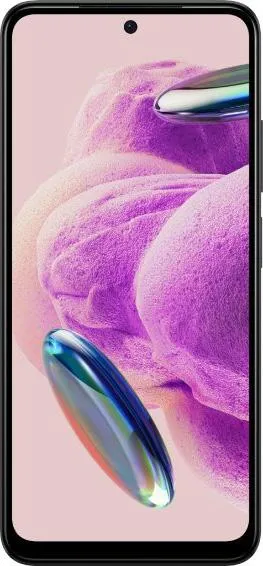
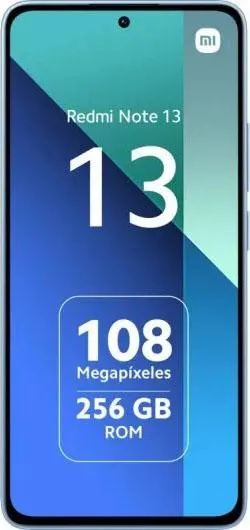
1. Specifications Comparison
| Feature | Xiaomi Redmi Note 12S | Xiaomi Redmi Note 13 4G | Practical Impact |
|---|---|---|---|
| Design | |||
| Dimensions (mm) | 159.9 x 73.9 x 8.1 | 162.3 x 75.6 x 8.0 | Redmi Note 13 4G is slightly larger and heavier. |
| Weight (g) | 176 | 188.5 | Noticeable difference in hand feel; 12S is lighter for extended use. |
| Fingerprint Sensor | Side-mounted | Under-display | Preference-based; under-display feels more modern. |
| Display | |||
| Size (inches) | 6.43 | 6.67 | 13 4G offers a larger screen for more immersive content consumption. |
| Resolution | 1080 x 2400 | 1080 x 2400 | Same resolution, but 13 4G has slightly lower PPI due to larger size. |
| Type | AMOLED | AMOLED | Both offer vibrant colors and deep blacks. |
| Refresh Rate (Hz) | 90 | 120 | 13 4G's 120Hz provides smoother scrolling and animations. |
| Peak Brightness (nits) | 1000 | 1800 | 13 4G is significantly brighter outdoors. |
| Performance | |||
| Chipset | MediaTek Helio G96 | Snapdragon 685 | Snapdragon 685 generally offers better CPU performance and efficiency. |
| CPU | Octa-core (2x2.05 GHz A76 & 6x2.0 GHz A55) | Octa-core (4x2.8 GHz A73 & 4x1.9 GHz A53) | 13 4G has a more powerful CPU architecture, leading to better multitasking and demanding app performance. |
| GPU | Mali-G57 MC2 | Adreno 610 | Adreno 610 generally provides a smoother gaming experience. |
| RAM (GB) | 6/8 | 8 | 13 4G offers more RAM in its base configuration, improving multitasking. |
| Camera | |||
| Main Camera (MP) | 108 | 108 | Comparable resolution, but sensor details suggest 13 4G may have slightly better low-light performance. |
| Front Camera (MP) | 16 | 16 | Similar resolution; practical difference depends on image processing. |
| Video Recording | 1080p@30fps | 1080p@30fps | Identical video resolution and frame rate. Missing information about slow-motion capabilities for 13 4G. |
| Battery | |||
| Capacity (mAh) | 5000 | 5000 | Similar battery capacity; actual battery life depends on usage and optimization. |
2. Key Differences Analysis
Redmi Note 12S Advantages:
- Lighter and more compact: More comfortable for one-handed use and extended periods.
Redmi Note 13 4G Advantages:
- Smoother Display: 120Hz refresh rate provides a noticeably better user experience.
- Brighter Display: Much better visibility in direct sunlight.
- More Powerful CPU: Better for demanding tasks and multitasking.
- More RAM: Improved performance with multiple apps open.
- Potentially Better Camera: Newer sensor in the main camera may offer improved image quality.
3. User Profiles & Recommendations
Redmi Note 12S: Users prioritizing a compact and lightweight phone for everyday tasks, casual gaming, and social media.
Redmi Note 13 4G: Users who value a smooth and immersive display, better performance for demanding apps and gaming, and a potentially improved camera. Good for content consumption and multitasking.
4. Decision Framework
Key Questions for Buyers:
- What is your budget? Compare prices for similar storage configurations.
- Do you prioritize performance and a smooth display or a compact and lightweight design?
- How important is outdoor visibility? The 13 4G's brighter display is a significant advantage in sunny conditions.
My Choice: Redmi Note 13 4G
While the Redmi Note 12S is lighter, the Redmi Note 13 4G offers significant advantages in performance, display quality, and potentially camera quality. The 120Hz refresh rate, brighter display, and more powerful CPU are crucial for a better user experience. The slightly larger size and weight are a reasonable trade-off for these improvements. As both phones are in the same price range, the Redmi Note 13 4G presents better overall value.
