1. Specifications Comparison
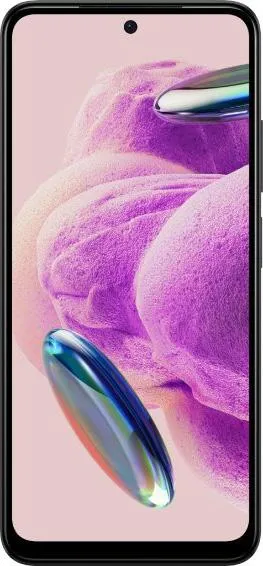
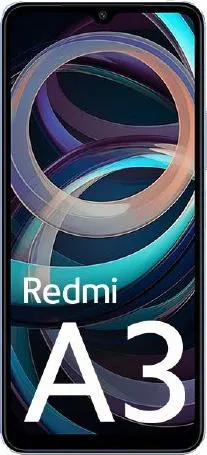
| Feature | Xiaomi Redmi Note 12S | Xiaomi Redmi A3 | Practical Impact |
|---|---|---|---|
| Design | |||
| Dimensions (mm) | 159.9 x 73.9 x 8.1 | 168.3 x 76.3 x 8.3 | Redmi A3 is noticeably larger and slightly thicker. |
| Weight (g) | 176 | 193 | Redmi Note 12S is lighter and potentially more comfortable for extended use. |
| Display | |||
| Display Type | AMOLED, 90Hz | IPS LCD, 90Hz | Redmi Note 12S offers deeper blacks, more vibrant colors, and better power efficiency due to AMOLED technology. |
| Resolution | 1080 x 2400 | 720 x 1650 | Redmi Note 12S has a significantly sharper display, resulting in clearer text and images. |
| Pixel Density (PPI) | 409 | 268 | Redmi Note 12S provides a much sharper and more detailed visual experience. |
| Peak Brightness (nits) | 1000 | Not specified | Redmi Note 12S likely offers better outdoor visibility, but this cannot be confirmed without the Redmi A3's peak brightness. |
| Performance | |||
| Chipset | Mediatek Helio G96 | Mediatek Helio G36 | Redmi Note 12S has a more powerful processor, leading to smoother multitasking and better gaming performance. |
| CPU | Octa-core (2x2.05 GHz Cortex-A76 & 6x2.0 GHz Cortex-A55) | Octa-core (4x2.2 GHz Cortex-A53 & 4x1.6 GHz Cortex-A53) | Redmi Note 12S utilizes more powerful Cortex-A76 cores resulting in significantly improved performance compared to the A3's Cortex-A53 cores. |
| GPU | Mali-G57 MC2 | PowerVR GE8320 | Redmi Note 12S offers superior graphics performance, crucial for demanding games and applications. |
| RAM | 6/8GB | 3/4/6GB | More RAM in certain Note 12S variants enables better multitasking and smoother performance with multiple apps. |
| Camera | |||
| Main Camera | 108MP | 8MP | Redmi Note 12S boasts a much higher resolution main camera, potentially capturing significantly more detail. |
| Secondary Cameras | 8MP ultrawide, 2MP macro | 0.3MP unspecified, no ultrawide | Redmi Note 12S provides more versatile photography options with an ultrawide lens. The 0.3MP secondary camera on the Redmi A3 has limited practical use. |
| Battery | |||
| Capacity | 5000 mAh | 5000 mAh | Similar battery capacities suggest comparable battery life, although real-world usage may vary due to different processors and displays. |
2. Key Differences Analysis
Redmi Note 12S Advantages:
- Significantly better performance: The Helio G96 and Mali-G57 MC2 offer a noticeable performance advantage for demanding tasks and gaming.
- Superior display: AMOLED technology delivers vibrant colors and deep blacks, while the higher resolution provides sharper visuals.
- More versatile camera system: The 108MP main camera and ultrawide lens provide greater flexibility for photography.
Redmi A3 Advantages:
- Lower price: The Redmi A3 is significantly cheaper, making it an attractive budget option.
- More recent Android version: Ships with Android 14, potentially offering longer software support.
3. User Profiles & Recommendations
Redmi Note 12S: Users who prioritize performance, display quality, and camera capabilities. Ideal for gaming, media consumption, and mobile photography enthusiasts.
Redmi A3: Budget-conscious users who primarily use their phones for basic tasks like calling, texting, social media browsing, and light web browsing.
4. Decision Framework
Key Questions for Buyers:
- What is your budget? The Redmi A3 is a clear winner for those on a tight budget.
- What are your primary phone usage patterns? For demanding tasks and entertainment, the Redmi Note 12S is significantly better. For basic communication and light browsing, the Redmi A3 might suffice.
- How important is display and camera quality? The Redmi Note 12S significantly outperforms the Redmi A3 in both areas.
My Choice: Xiaomi Redmi Note 12S
While the Redmi A3 is appealing for its low price, the Redmi Note 12S offers a significantly better overall user experience. The superior performance, display, and camera capabilities make it a more versatile and future-proof device. The price difference is justifiable considering the significant improvements in key areas. Even if on a tight budget, I would strive to save a bit more for the Note 12S or consider a used/refurbished model to gain access to its superior features and long-term usability. The slightly older Android version is less of a concern than the substantial daily performance and quality-of-life differences.
