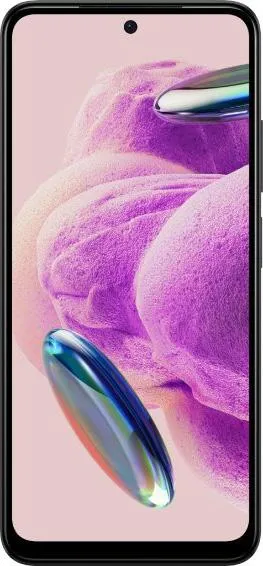
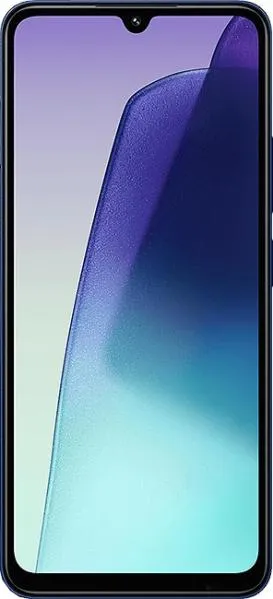
1. Specifications Comparison
| Feature | Xiaomi Redmi Note 12S | Xiaomi Redmi 14C | Practical Impact |
|---|---|---|---|
| Design | |||
| Dimensions (mm) | 159.9 x 73.9 x 8.1 | 171.9 x 77.8 x 8.2 | 14C is noticeably larger and heavier. May be less comfortable for one-handed use. |
| Weight (g) | 176 | 211 | 12S is significantly lighter, enhancing portability and comfort. |
| Display | |||
| Display Type | AMOLED, 90Hz | IPS LCD, 120Hz | 12S offers richer colors, deeper blacks, and better power efficiency due to AMOLED. 14C has a smoother scrolling experience with 120Hz but may appear less vibrant. |
| Display Size (inches) | 6.43 | 6.88 | 14C provides a larger viewing area for media consumption, but might be too large for some users. |
| Resolution | 1080 x 2400 | 720 x 1640 | 12S has a significantly sharper display (409 ppi vs 260 ppi), resulting in clearer text and images. |
| Refresh Rate (Hz) | 90 | 120 | 14C offers smoother animations and scrolling. |
| Performance | |||
| Chipset | Mediatek Helio G96 | Mediatek Helio G81 Ultra | Performance differences likely negligible for everyday tasks. G96 might have slightly better CPU performance, while G81 Ultra could offer some improvements in efficiency (unclear without benchmarks). |
| CPU | Octa-core (2x2.05 GHz Cortex-A76 & 6x2.0 GHz Cortex-A55) | Octa-core (2x2.0 GHz Cortex-A75 & 6x1.8 GHz Cortex-A55) | Minor architectural differences; real-world performance difference likely minimal for average users. |
| GPU | Mali-G57 MC2 | Mali-G52 MC2 | G57 generally offers better gaming performance than the G52. |
| RAM | 6GB/8GB | 4GB/6GB/8GB | More RAM (8GB) on both provides smoother multitasking. |
| Camera | |||
| Main Camera (MP) | 108 | 50 | 12S boasts a much higher resolution main camera, potentially capturing more detail. Real-world image quality depends on sensor and software processing, which are not fully detailed. |
| Other Cameras | 8MP ultrawide, 2MP macro, 16MP selfie | 0.8MP (unknown), 13MP selfie | 12S offers an ultrawide lens for broader shots, which 14C seemingly lacks. |
| Battery | |||
| Capacity (mAh) | 5000 | 5160 | Negligible difference in battery capacity. Real-world battery life depends on numerous factors, including display, processor efficiency, and software. |
2. Key Differences Analysis
Redmi Note 12S Advantages:
- Superior Display: AMOLED technology with higher resolution (1080p) offers significantly better image quality and color accuracy.
- Better Gaming Performance: Mali-G57 MC2 GPU generally outperforms the Mali-G52 MC2.
- Higher Resolution Main Camera: 108MP sensor potentially captures more detail.
- Ultrawide Camera: Adds versatility for landscape and group photos.
- Lighter and More Compact: Easier to handle and carry.
Redmi 14C Advantages:
- Higher Refresh Rate: 120Hz display delivers smoother scrolling and animations.
- Larger Display: Provides more screen real estate for media consumption.
- Slightly Larger Battery: Potentially slightly longer battery life, though real-world usage will vary.
- Newer Android Version: Ships with Android 14, potentially offering longer software support.
3. User Profiles & Recommendations
Redmi Note 12S: Ideal for users who prioritize display quality, camera performance, and a compact form factor. Suitable for:
- Mobile gamers
- Photography enthusiasts
- Users who consume a lot of media on their phone
- Users who prefer a smaller, lighter device
Redmi 14C: Ideal for users who prioritize a large display, smooth scrolling, and the latest software. Suitable for:
- Users who primarily use their phone for browsing, social media, and video streaming.
- Users who prefer a large screen for easier readability.
- Budget-conscious buyers who prioritize the latest Android version.
4. Decision Framework
Key Questions for Buyers:
- How important is display quality? Prioritize the 12S for AMOLED and sharper resolution. Choose the 14C if a smoother 120Hz refresh rate is paramount.
- What is your budget? Compare prices for similar RAM/storage configurations.
- What is your primary phone usage? Choose the 12S for gaming and photography. The 14C is sufficient for general use and media consumption.
My Choice: Xiaomi Redmi Note 12S
While the 14C offers a larger display and higher refresh rate, the Redmi Note 12S provides a significantly better overall package for my needs. The AMOLED display's superior image quality and color accuracy are major selling points. The lighter and more compact design, coupled with the more powerful GPU and higher resolution main camera, makes the 12S a more compelling device. I prioritize display quality, a comfortable form factor, and good performance for gaming, making the 12S the clear winner for me. The slightly older Android version is less concerning given Xiaomi's track record of software updates for the Redmi Note series.
