1. Specifications Comparison
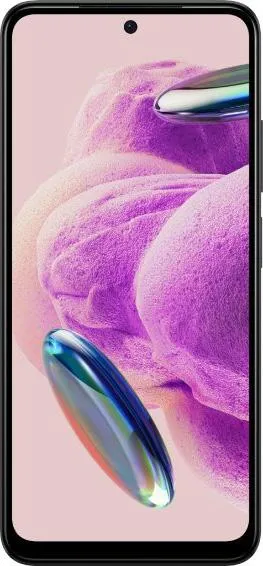
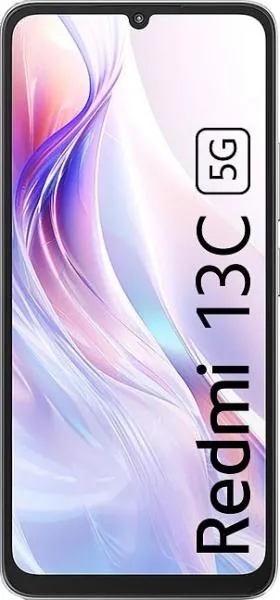
| Feature | Xiaomi Redmi Note 12S | Xiaomi Redmi 13C 5G | Practical Impact |
|---|---|---|---|
| Design | |||
| Dimensions (mm) | 159.9 x 73.9 x 8.1 | 168 x 78 x 8.1 | Redmi 13C is noticeably larger. May be less comfortable for one-handed use. |
| Weight (g) | 176 | 192 | Redmi 13C is heavier, potentially more noticeable in pocket or during extended use. |
| Build Material | Not specified | Not specified | Cannot compare build quality and durability without this information. |
| Display | |||
| Display Type | AMOLED, 90Hz | IPS LCD, 90Hz | Redmi Note 12S offers deeper blacks, more vibrant colors, and better power efficiency due to AMOLED technology. |
| Display Size (inches) | 6.43 | 6.74 | Redmi 13C has a larger screen, better for media consumption but potentially less pocketable. |
| Resolution | 1080 x 2400 | 720 x 1600 | Redmi Note 12S has a significantly sharper display, resulting in clearer text and images. Redmi 13C's lower resolution will be noticeable. |
| Pixel Density (PPI) | 409 | 260 | Redmi Note 12S offers a much sharper and more detailed image. |
| Peak Brightness (nits) | 1000 | 600 (HBM) | Redmi Note 12S will be significantly more visible in direct sunlight. |
| Performance | |||
| Chipset | Mediatek Helio G96 (12nm) | Mediatek Dimensity 6100+ (6nm) | Redmi 13C likely has better performance and power efficiency due to a more advanced and smaller node size chipset. |
| CPU | Octa-core (2x2.05 GHz Cortex-A76 & 6x2.0 GHz Cortex-A55) | Octa-core (2x2.2 GHz Cortex-A76 & 6x2.0 GHz Cortex-A55) | While core configurations are similar, the slightly higher clock speed on the Redmi 13C may provide a minor performance boost. |
| GPU | Mali-G57 MC2 | Mali-G57 MC2 | Similar GPUs; performance differences will likely be minor and depend more on software optimization. |
| RAM | 6GB/8GB | 4GB/6GB | More RAM in higher-end configurations of the Redmi Note 12S enables better multitasking and smoother performance. |
| Camera | |||
| Main Camera | 108MP | 50MP | Redmi Note 12S has a higher resolution main sensor, potentially capturing more detail. Real-world image quality depends on sensor size, processing, and other factors. |
| Front Camera | 16MP | 5MP | Redmi Note 12S has a significantly better front camera for selfies and video calls. |
| Video Recording | 1080p@30fps | 1080p@30fps | Both offer similar video recording capabilities. |
| Battery | |||
| Capacity | 5000 mAh | 5000 mAh | Similar battery capacities; actual battery life depends on usage, software optimization, and display efficiency. |
| Charging Speed | Not specified | Not specified | Unable to compare charging speeds without specific details. |
| Other | |||
| NFC | Yes | No | Redmi Note 12S supports contactless payments and data transfer via NFC. |
| 5G Connectivity | No | Yes | Redmi 13C offers faster cellular data speeds in areas with 5G coverage. |
2. Key Differences Analysis
Redmi Note 12S Advantages:
- Superior Display: AMOLED technology provides richer colors, deeper blacks, and better power efficiency. Higher resolution and peak brightness offer a significant advantage in clarity and outdoor visibility.
- Better Front Camera: The 16MP selfie camera is considerably better than the 5MP on the Redmi 13C.
- NFC: Enables contactless payments and other NFC functionalities.
Redmi 13C 5G Advantages:
- 5G Connectivity: Offers significantly faster mobile data speeds in areas with 5G coverage, future-proofing the device.
- Potentially Better Performance: The Dimensity 6100+ chipset, built on a smaller node (6nm), likely offers better performance and power efficiency than the Helio G96.
- Larger Display: Provides a larger viewing area, beneficial for media consumption.
Trade-offs:
- The Redmi 13C sacrifices display quality and NFC for 5G connectivity and potentially better performance.
- The Redmi Note 12S lacks 5G but offers a superior display, front camera, and NFC.
3. User Profiles & Recommendations
Redmi Note 12S: Suitable for users who prioritize display quality, multimedia consumption, mobile photography (especially selfies), and NFC functionality. Best for users in areas without 5G coverage or who don't prioritize high-speed mobile data.
Redmi 13C 5G: Best for budget-conscious users who prioritize 5G connectivity and decent overall performance. Suitable for users who primarily use their phone for basic tasks, browsing, social media, and don't require the best display or camera quality.
4. Decision Framework
Key Questions for Buyers:
- Is 5G connectivity crucial? If yes, the Redmi 13C is the only option.
- How important is display quality? If display quality is a top priority, the Redmi Note 12S is the clear winner.
- What is your budget? Consider the price difference between the two models and the features that are most important to you.
My Choice: Xiaomi Redmi Note 12S
While 5G is tempting, the superior AMOLED display, higher resolution, brighter screen, better front camera, and NFC functionality of the Redmi Note 12S are more important to me for daily use. The potential performance difference is likely not significant enough to outweigh the benefits of the Note 12S in terms of overall user experience. I value a sharp, vibrant display and a good camera for everyday use, and the addition of NFC for contactless payments is a significant convenience. I'm willing to forgo 5G for now, considering the significant advantages offered by the Redmi Note 12S in other areas.
