1. Specifications Comparison
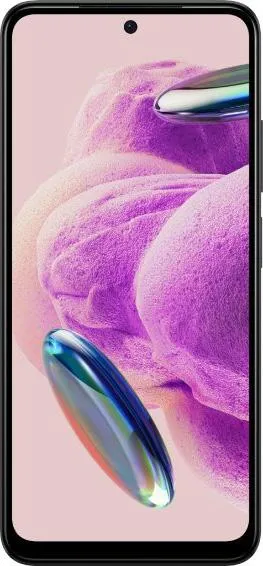
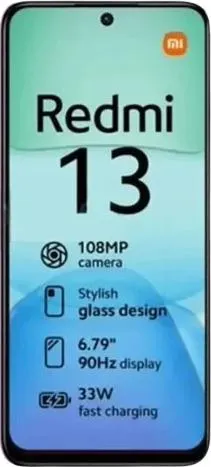
| Feature | Xiaomi Redmi Note 12S | Xiaomi Redmi 13 | Practical Impact |
|---|---|---|---|
| Design | |||
| Dimensions (mm) | 159.9 x 73.9 x 8.1 | 168.6 x 76.3 x 8.3 | Redmi 13 is noticeably larger and slightly thicker. May be less comfortable for one-handed use. |
| Weight (g) | 176 | 205 | Redmi 13 is heavier, potentially more noticeable in extended use. |
| Build Material | Not specified | Not specified | Cannot compare build quality and durability without this information. |
| Display | |||
| Display Type | AMOLED, 90Hz | IPS LCD, 90Hz | Redmi Note 12S offers deeper blacks, more vibrant colors, and potentially better power efficiency due to AMOLED technology. Redmi 13's LCD might offer better visibility in direct sunlight. |
| Display Size (inches) | 6.43 | 6.79 | Redmi 13 has a significantly larger screen, better for media consumption but less pocketable. |
| Resolution | 1080 x 2400 | 1080 x 2460 | Virtually identical pixel density; sharpness will be similar. Redmi 13's slightly taller aspect ratio may provide more vertical scrolling space. |
| Peak Brightness (nits) | 1000 | Not specified | Redmi Note 12S's higher peak brightness ensures better visibility outdoors. Can't compare without Redmi 13's peak brightness value. |
| Performance | |||
| Chipset | Mediatek Helio G96 | Mediatek Helio G91 Ultra | While both are mid-range chipsets, G91 Ultra might offer slightly better performance in some tasks. Real-world difference likely to be minimal for average users. "Ultra" designation doesn't guarantee superior performance; specific benchmark comparisons are needed. |
| CPU | Octa-core (2x2.05 GHz Cortex-A76 & 6x2.0 GHz Cortex-A55) | Octa-core (2x2.0 GHz Cortex-A75 & 6x1.8 GHz Cortex-A55) | Redmi Note 12S might have a slight edge in CPU performance due to faster Cortex-A76 cores. |
| GPU | Mali-G57 MC2 | Mali-G52 MC2 | Redmi Note 12S likely has a more powerful GPU, potentially leading to smoother gaming performance. |
| RAM | 6GB | 8GB | Redmi 13 offers more RAM, enabling better multitasking and smoother performance with multiple apps open. |
| Camera | |||
| Main Camera | 108MP, f/1.8 | 108MP, f/1.8 | Similar main camera resolution and aperture. Image quality will depend on sensor size, processing, and other factors not specified. |
| Other Cameras | 8MP ultrawide, 2MP macro, 16MP selfie | 2MP depth, 13MP selfie | Redmi Note 12S offers a dedicated ultrawide lens, lacking in Redmi 13. Redmi 13 has a lower resolution selfie camera. Practical impact depends on individual photography needs. |
| Battery | |||
| Capacity (mAh) | 5000 | 5030 | Negligible difference in battery capacity. Real-world battery life will depend on usage patterns and optimization. |
2. Key Differences Analysis
Redmi Note 12S Advantages:
- Superior Display: AMOLED technology provides richer colors and deeper blacks. Higher peak brightness improves outdoor visibility.
- Potentially Better Gaming Performance: Mali-G57 MC2 GPU is generally more powerful.
- Ultrawide Camera: Offers more versatile photography options.
Redmi 13 Advantages:
- Larger Display: Better for media consumption and multitasking.
- More RAM: Smoother multitasking and better performance with multiple apps.
- Lower Price: Offers better value for budget-conscious users.
- Newer OS: Starts with Android 14, potentially offering longer software support.
- Bluetooth 5.3: Slightly improved Bluetooth connectivity and efficiency.
Trade-offs:
- Redmi Note 12S: Smaller display, less RAM. Potentially higher price.
- Redmi 13: IPS LCD display with potentially lower brightness, possibly less powerful GPU, lower resolution selfie camera.
3. User Profiles & Recommendations
Redmi Note 12S: Users prioritizing display quality, camera versatility (ultrawide), and potentially better gaming performance. Suitable for:
- Mobile gamers: The more powerful GPU can handle demanding games better.
- Content consumers: AMOLED screen enhances video and photo viewing experience.
- Photography enthusiasts: Ultrawide lens offers more creative possibilities.
Redmi 13: Users prioritizing a large display, smooth multitasking, and affordability. Suitable for:
- Budget-conscious buyers: Offers excellent value for its price.
- Multitaskers: More RAM handles numerous apps efficiently.
- Media consumers: Large screen provides immersive viewing experience.
4. Decision Framework
Key Questions:
- Display Quality Priority: Is a vibrant and bright display crucial, or is a larger screen size more important?
- Performance Needs: Is gaming or demanding multitasking a priority?
- Budget Constraints: How important is affordability?
Scenario-Based Recommendations:
- Tight Budget, Large Screen: Redmi 13.
- Prioritize Display and Camera: Redmi Note 12S.
- Balanced Needs and Moderate Budget: Compare prices closely and choose based on individual priorities for display vs. size and RAM.
My Choice: Redmi Note 12S
While the Redmi 13 offers a compelling value proposition with its larger display, more RAM, and lower price, I would choose the Redmi Note 12S. The AMOLED display is a significant advantage for me, as I prioritize image quality and vibrant colors for media consumption. The potentially better gaming performance and the inclusion of an ultrawide lens further solidify my choice. While the Redmi 13 has a newer Bluetooth version and OS, these differences are less significant to me than the superior display and camera versatility of the Note 12S. I am willing to pay a slightly higher price for these benefits. This is a subjective choice based on my personal priorities. Someone prioritizing budget and screen size would likely prefer the Redmi 13.
