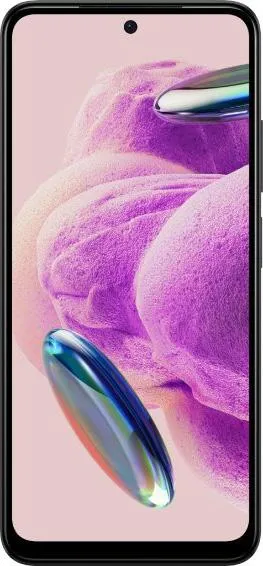
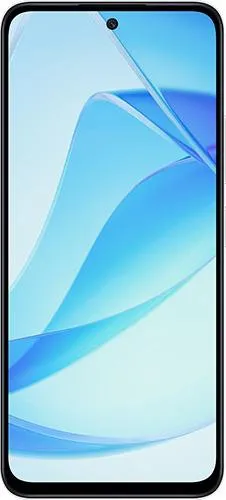
1. Specifications Comparison
| Feature | Xiaomi Redmi Note 12S | Xiaomi Redmi 12 5G | Practical Impact |
|---|---|---|---|
| Design | |||
| Dimensions (mm) | 159.9 x 73.9 x 8.1 | 168.6 x 76.3 x 8.2 | Redmi 12 5G is noticeably larger and slightly thicker. |
| Weight (g) | 176 | 199 | Redmi Note 12S is significantly lighter, more comfortable for extended use. |
| Build | Not specified | Not specified | Build quality impact cannot be assessed without material information. |
| Display | |||
| Display Type | AMOLED, 90Hz | IPS LCD, 90Hz | Redmi Note 12S offers deeper blacks, more vibrant colors, and better power efficiency due to AMOLED. |
| Size (inches) | 6.43 | 6.79 | Redmi 12 5G has a larger screen, better for media consumption but less pocketable. |
| Resolution | 1080 x 2400 | 1080 x 2460 | Similar sharpness due to similar pixel density despite size difference. |
| Peak Brightness (nits) | 1000 | 550 (typical) | Redmi Note 12S is much brighter outdoors. |
| Performance | |||
| Chipset | MediaTek Helio G96 | Snapdragon 4 Gen 2 | Snapdragon 4 Gen 2 offers better power efficiency and potentially better performance due to superior node size (4nm vs 12nm). |
| CPU | Octa-core (2x2.05 GHz A76 & 6x2.0 GHz A55) | Octa-core (2x2.2 GHz A78 & 6x1.95 GHz A55) | Redmi 12 5G likely has better multi-core performance with faster and more modern cores. |
| GPU | Mali-G57 MC2 | Adreno 613 | Gaming performance comparison is inconclusive without benchmark data. Adreno 613 generally offers better performance. |
| RAM | 6GB/8GB | 4GB/6GB/8GB | RAM options vary; more RAM improves multitasking. |
| Camera | |||
| Main Camera | 108MP, f/1.8 | 50MP, f/1.8 | Redmi Note 12S has significantly higher resolution, potentially capturing more detail. |
| Ultrawide | 8MP, f/2.2 | None | Redmi Note 12S offers ultrawide photography. |
| Selfie Camera | 16MP, f/2.4 | 5MP, f/2.2 | Redmi Note 12S boasts a higher resolution selfie camera. |
| Video Recording | 1080p@30fps | 1080p@30fps | Similar video recording capabilities. |
| Battery | |||
| Capacity | 5000 mAh | 5000 mAh | Similar battery capacity. Real-world battery life depends on usage and optimization. |
| Charging | Not specified | Not specified | Charging speed comparison impossible without specific charging details. |
| Other | |||
| NFC | Yes | No | Redmi Note 12S supports contactless payments and data transfer via NFC. |
| 5G | No | Yes | Redmi 12 5G offers faster cellular data speeds where available. |
| OS Updates | Android 13 | Android 13, upgradable to 14 | Redmi 12 5G will receive longer software support. |
2. Key Differences Analysis
Redmi Note 12S Advantages:
- Superior Display: AMOLED offers better contrast, colors, and power efficiency. Higher peak brightness ensures better outdoor visibility.
- Higher Resolution Main Camera: The 108MP sensor potentially captures more detail.
- Ultrawide Camera: Offers wider field of view for landscape and group photos.
- NFC: Enables contactless payments and data transfer.
Redmi 12 5G Advantages:
- Larger Display: Better for media consumption and gaming.
- More Efficient Processor: Snapdragon 4 Gen 2 built on a smaller node, potentially leading to better battery life and performance.
- 5G Connectivity: Faster data speeds in areas with 5G coverage.
- Longer Software Support: Guaranteed update to Android 14.
3. User Profiles & Recommendations
Redmi Note 12S: Users who prioritize display quality, camera versatility (especially for still photography), NFC functionality, and a lighter, more compact phone.
Redmi 12 5G: Users who value a large screen, future-proof 5G connectivity, longer software updates, and potentially better battery life.
4. Decision Framework
Key Questions:
- Is display quality a top priority? If yes, Redmi Note 12S with its AMOLED screen is a better choice.
- Is 5G connectivity essential? If yes, Redmi 12 5G is the only option.
- How important is camera quality? Redmi Note 12S offers a more versatile and potentially higher-quality camera system.
My Choice: Xiaomi Redmi Note 12S
While the Redmi 12 5G offers 5G and a more efficient processor, the Redmi Note 12S's significantly superior display (AMOLED with higher brightness), versatile camera system (including ultrawide), NFC functionality, and lighter weight make it a more compelling overall package for my needs. I prioritize display quality and camera versatility, and I am willing to forgo 5G for now. The significantly brighter display is crucial for outdoor usage, and the weight difference contributes significantly to daily comfort. While the Redmi 12 5G's efficiency is attractive, the lack of concrete battery charging speed data prevents a definitive judgment on battery performance. Ultimately, the AMOLED screen and superior camera system of the Redmi Note 12S are the deciding factors for me.
