1. Specifications Comparison
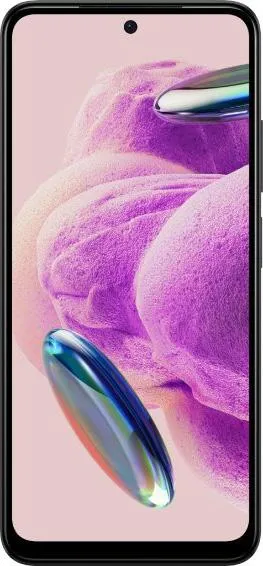
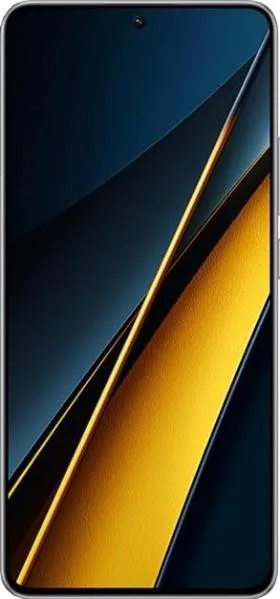
| Feature | Xiaomi Redmi Note 12S | Xiaomi Poco X6 Pro | Practical Impact |
|---|---|---|---|
| Design | |||
| Dimensions (mm) | 159.9 x 73.9 x 8.1 | 160.5 x 74.3 x 8.3 | Poco X6 Pro is slightly larger and thicker. Negligible difference in daily use. |
| Weight (g) | 176 | 186 | Poco X6 Pro is slightly heavier, but the difference is minimal. |
| Display | |||
| Size (inches) | 6.43 | 6.67 | Poco X6 Pro offers a larger screen for more immersive content consumption. |
| Resolution (px) | 1080 x 2400 | 1220 x 2712 | Poco X6 Pro has a sharper display with higher pixel density (446 ppi vs 409 ppi). |
| Refresh Rate (Hz) | 90 | 120 | Poco X6 Pro provides smoother scrolling and animations due to the higher refresh rate. |
| Display Type | AMOLED | AMOLED | Both phones use AMOLED technology, offering vibrant colors and deep blacks. |
| Peak Brightness (nits) | 1000 | 1800 | Poco X6 Pro has significantly higher peak brightness, making it more usable in direct sunlight. |
| HDR | No Dolby Vision, HDR10/10+ data missing | Dolby Vision, HDR10+ | Poco X6 Pro supports HDR10+ and Dolby Vision, resulting in better dynamic range and color accuracy in supported content. |
| Performance | |||
| Chipset | Mediatek Helio G96 (12 nm) | Mediatek Dimensity 8300 Ultra (4 nm) | Poco X6 Pro has a significantly more powerful and efficient processor, leading to much better performance in demanding tasks and gaming. |
| CPU | Octa-core (2x2.05 GHz Cortex-A76 & 6x2.0 GHz Cortex-A55) | Octa-core (1x3.35 GHz Cortex-A715 & 3x3.20 GHz Cortex-A715 & 4x2.20 GHz Cortex-A510) | The Poco X6 Pro's CPU architecture is newer and more powerful. |
| GPU | Mali-G57 MC2 | Mali G615-MC6 | Poco X6 Pro's GPU offers improved graphics performance for gaming. |
| RAM | 6/8 GB | 8/12 GB | Poco X6 Pro offers more RAM in its higher-end configuration, enabling better multitasking and app performance. |
| Camera | |||
| Main Camera (MP) | 108 | 64 | Redmi Note 12S has a higher megapixel count, but sensor size and other factors impact overall image quality. |
| Video Recording | 1080p@30fps | 4K@30fps with EIS | Poco X6 Pro can record higher resolution videos with electronic image stabilization. |
| Features | Optical Stabilization (OIS) | Poco X6 Pro offers OIS for steadier videos and potentially better low-light photos. | |
| Battery | |||
| Capacity (mAh) | 5000 | 5000 | Both phones have the same battery capacity. Real-world battery life will depend on usage and efficiency of the processor. |
2. Key Differences Analysis
Xiaomi Redmi Note 12S Advantages:
- Potentially lower price point.
- Higher resolution main camera sensor (though image quality depends on various factors beyond megapixels).
Xiaomi Poco X6 Pro Advantages:
- Significantly better performance: The Dimensity 8300 Ultra outperforms the Helio G96 by a large margin.
- Superior display: Higher resolution, refresh rate, peak brightness, and HDR support.
- More advanced camera features: OIS, 4K video recording.
- More future-proof: Newer Android version with longer update support.
3. User Profiles & Recommendations
Redmi Note 12S: Budget-conscious users prioritizing basic tasks like calling, messaging, social media, and light gaming.
Poco X6 Pro: Users who demand high performance for gaming, demanding applications, and multimedia consumption. Also suitable for those who prioritize a top-tier display and camera features.
4. Decision Framework
Key Questions for Buyers:
- What is your budget? The Redmi Note 12S is likely to be more affordable.
- What are your primary smartphone uses? For basic tasks, the Redmi Note 12S might suffice. For demanding tasks and gaming, the Poco X6 Pro is significantly better.
- How important is display quality and camera performance? The Poco X6 Pro excels in both areas.
My Choice: Xiaomi Poco X6 Pro
The Poco X6 Pro offers a significant upgrade in performance, display, and camera capabilities compared to the Redmi Note 12S. The Dimensity 8300 Ultra, coupled with the 120Hz AMOLED display, makes for a much more fluid and enjoyable user experience. The addition of OIS and 4K video recording significantly enhances the camera's versatility. While the Redmi Note 12S might be a suitable option for budget-conscious users with basic needs, the Poco X6 Pro's superior overall package makes it the clear winner for me. The future-proofing offered by longer Android updates also contributes to its value proposition.
