1. Specifications Comparison
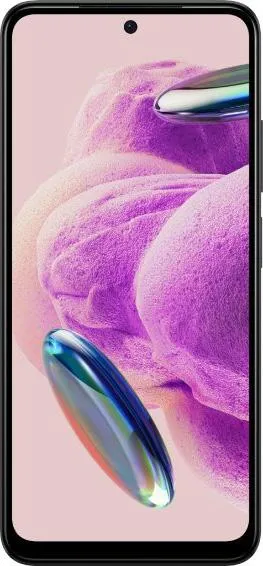
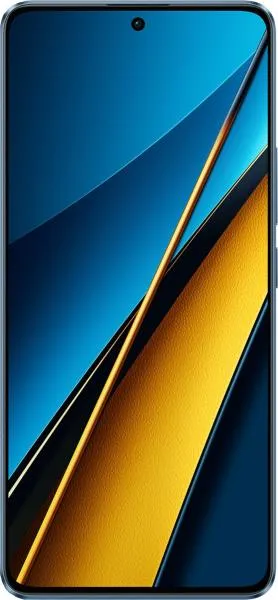
| Feature | Xiaomi Redmi Note 12S | Xiaomi Poco X6 | Practical Impact |
|---|---|---|---|
| Design | |||
| Dimensions (mm) | 159.9 x 73.9 x 8.1 | 161.2 x 74.3 x 8.0 | Poco X6 is slightly larger and heavier. Negligible difference in daily use. |
| Weight (g) | 176 | 181 | Poco X6 is slightly heavier, but the difference is minimal. |
| Display | |||
| Display Type | AMOLED, 90Hz | AMOLED, 120Hz | Poco X6 offers a smoother scrolling and gaming experience with its higher refresh rate. |
| Display Size | 6.43" | 6.67" | Poco X6 has a larger display, better for media consumption. |
| Resolution | 1080 x 2400 | 1220 x 2712 | Poco X6 has a sharper display due to higher resolution and pixel density. |
| Peak Brightness (nits) | 1000 | 1800 | Poco X6 offers significantly better outdoor visibility with its higher peak brightness. |
| Dolby Vision | No | Yes | Poco X6 supports Dolby Vision, providing enhanced dynamic range and color accuracy for compatible content. |
| Performance | |||
| Chipset | Mediatek Helio G96 (12nm) | Snapdragon 7s Gen 2 (4nm) | Poco X6 has a more powerful and efficient processor, leading to better performance and battery life. |
| CPU | Octa-core (2x2.05 GHz Cortex-A76 & 6x2.0 GHz Cortex-A55) | Octa-core (4x2.40 GHz Cortex-A78 & 4x1.95 GHz Cortex-A55) | Poco X6 has a more powerful CPU architecture resulting in significantly better performance in demanding tasks and multitasking. |
| GPU | Mali-G57 MC2 | Adreno 710 | Poco X6 offers superior graphics performance for gaming. |
| RAM | 6GB/8GB | 12GB | Poco X6 has significantly more RAM, enabling smoother multitasking and better performance with demanding applications. |
| Camera | |||
| Main Camera (MP) | 108 | 64 | Redmi Note 12S boasts higher megapixel count but sensor and image processing quality are crucial and not directly comparable from the given data. |
| Video Recording | 1080p@30fps | 4K@30fps | Poco X6 allows for higher resolution video recording. |
| Optical Image Stabilization | No | Yes | Poco X6 offers better video stabilization, resulting in smoother footage. |
| Battery | |||
| Capacity (mAh) | 5000 | 5100 | Negligible difference in battery capacity. Real-world battery life will depend on usage and efficiency of the chipset. |
2. Key Differences Analysis
Xiaomi Redmi Note 12S Advantages:
- Potentially better low-light photography: The 108MP sensor on the Redmi Note 12S could offer better light capture in low-light conditions, but this is not confirmed without sensor size and other details. We need more data to confirm this.
Xiaomi Poco X6 Advantages:
- Significantly better performance: The Snapdragon 7s Gen 2 and 12GB RAM offer a substantial performance advantage for demanding tasks and gaming.
- Smoother Display: The 120Hz refresh rate provides a noticeable improvement in fluidity for scrolling and gaming.
- Brighter Display: Much brighter display for superior outdoor visibility.
- Better Video Recording: 4K recording and optical image stabilization result in higher quality videos.
- Longer Software Support: The Poco X6 is expected to receive more Android OS updates.
3. User Profiles & Recommendations
Xiaomi Redmi Note 12S: Budget-conscious users who prioritize basic smartphone functionality and decent camera capabilities for casual use. Good for:
- Casual social media users
- Light gaming
- General web browsing
Xiaomi Poco X6: Users who value performance, a smooth and vibrant display, and future-proof software. Good for:
- Mobile gamers
- Power users
- Content creators who shoot video
4. Decision Framework
Key Questions for Buyers:
- What is your budget? The Poco X6 is more expensive.
- What are your primary use cases? Gaming and demanding tasks benefit from the Poco X6's performance.
- How important is display quality and refresh rate? The Poco X6 excels in this area.
My Choice: Xiaomi Poco X6
While the Redmi Note 12S offers a lower price point, the Poco X6 offers a significantly better overall package. The superior processor, larger and smoother display, improved camera capabilities (especially video), and longer software support justify the higher price. The performance difference alone would make a noticeable impact on daily usage, especially for multitasking and demanding applications. The brighter display is a major plus for outdoor usage. While the Redmi Note 12S might have a slight advantage in low light photography due to the 108MP sensor, without more detailed camera specifications, it's impossible to definitively state this. The overall user experience would be considerably better with the Poco X6.
