1. Specifications Comparison
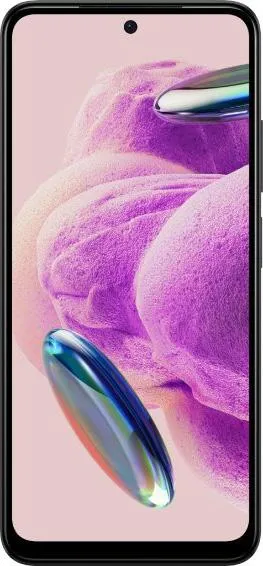
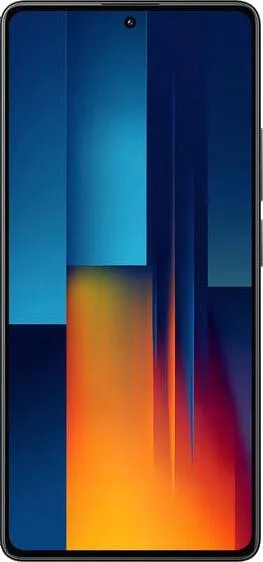
| Feature | Xiaomi Redmi Note 12S | Xiaomi Poco M6 Pro | Practical Impact |
|---|---|---|---|
| Design | |||
| Dimensions (mm) | 159.9 x 73.9 x 8.1 | 161.1 x 75.0 x 8.0 | Poco M6 Pro is slightly larger and heavier. Negligible difference in daily use. |
| Weight (g) | 176 | 179 | Negligible difference in daily use. |
| Fingerprint Sensor | Side-mounted | Under-display | Personal preference. Under-display is often considered more modern. |
| Display | |||
| Display Size (inches) | 6.43 | 6.67 | Poco M6 Pro offers a larger screen for more immersive content consumption. |
| Resolution (px) | 1080 x 2400 | 1080 x 2400 | Identical resolution, but Poco M6 Pro has slightly lower PPI due to larger size. Difference is negligible. |
| Refresh Rate (Hz) | 90 | 120 | Poco M6 Pro's 120Hz display will feel smoother in animations and scrolling. |
| Display Type | AMOLED | AMOLED | Both offer vibrant colors and deep blacks. |
| Peak Brightness (nits) | 1000 | 1300 | Poco M6 Pro will be more visible in direct sunlight. |
| Performance | |||
| Chipset | Mediatek Helio G96 | Mediatek Helio G99 Ultra | G99 is slightly more powerful and efficient than G96, resulting in better performance and battery life for the Poco M6 Pro. |
| CPU | Octa-core (2x2.05 GHz Cortex-A76 & 6x2.0 GHz Cortex-A55) | Octa-core (2x2.2 GHz Cortex-A76 & 6x2.0 GHz Cortex-A55) | Poco M6 Pro has a slight CPU clock speed advantage, leading to slightly faster performance. |
| GPU | Mali-G57 MC2 | Mali-G57 MC2 | Same GPU, but potential performance difference due to chipset optimizations in Poco M6 Pro. |
| RAM (GB) | 6/8 | 8/12 | Poco M6 Pro offers higher RAM configurations, benefiting multitasking and demanding applications. |
| Camera | |||
| Main Camera (MP) | 108 | 64 | Redmi Note 12S boasts higher megapixel count. Image quality depends on various factors like sensor size and processing. |
| Ultrawide (MP) | 8 | 8 | Identical ultrawide resolution. |
| Macro (MP) | 2 | 2 | Identical macro resolution. |
| Selfie Camera (MP) | 16 | 16 | Identical selfie camera resolution. |
| Video Recording | 1080p@30fps | 1080p@30/60fps with EIS | Poco M6 Pro offers better video stabilization (EIS) and higher frame rate options. |
| Battery | |||
| Capacity (mAh) | 5000 | 5000 | Identical battery capacity. Actual battery life depends on usage and optimization. |
2. Key Differences Analysis
Xiaomi Redmi Note 12S Advantages:
- Higher resolution main camera: Potentially better detail in photos, but real-world performance depends on other factors.
Xiaomi Poco M6 Pro Advantages:
- Smoother Display: 120Hz refresh rate provides a more fluid user experience.
- Slightly Better Performance: Helio G99 chipset offers a performance and efficiency boost.
- Better Video Recording: EIS and 60fps recording options result in smoother, more stable videos.
- Higher RAM Options: Better for multitasking and demanding applications.
- Brighter Display: Enhanced visibility in sunlight.
3. User Profiles & Recommendations
Xiaomi Redmi Note 12S:
- Budget-conscious users: Prioritize a lower price point.
- Casual users: Primarily use phone for basic tasks like calling, texting, social media.
Xiaomi Poco M6 Pro:
- Gamers: Benefit from the higher refresh rate and slightly better performance.
- Power users: Multitask frequently and use demanding applications.
- Content consumers: Appreciate the larger, brighter display for videos and games.
4. Decision Framework
Key Questions for Buyers:
- What is your budget? The Redmi Note 12S is generally more affordable.
- What are your primary use cases? Gaming, content consumption, or basic tasks?
- How important is display smoothness and brightness? The Poco M6 Pro excels in these areas.
My Choice: Xiaomi Poco M6 Pro
While the Redmi Note 12S offers a higher resolution main camera, the Poco M6 Pro provides a more well-rounded package. The 120Hz display, slightly improved performance, better video recording capabilities, and higher RAM options make it a more compelling device for a wider range of users. The brighter display is also a significant advantage for outdoor use. Although the chipset performance difference might be minimal in day-to-day tasks, the combination of all these factors makes the Poco M6 Pro a better long-term investment for me. The slightly higher price is justified by the noticeable improvements in user experience.
