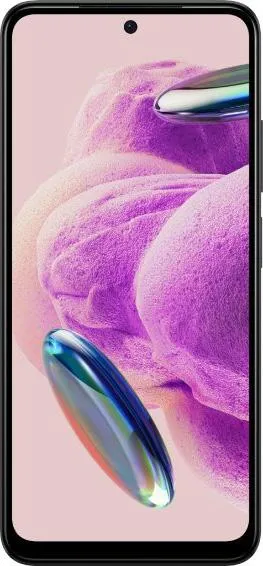
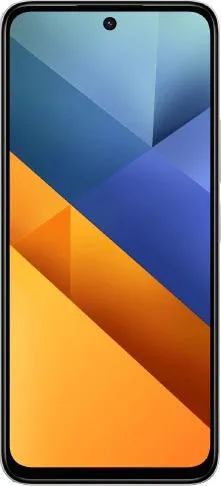
1. Specifications Comparison
| Feature | Xiaomi Redmi Note 12S | Xiaomi Poco M6 4G | Practical Impact |
|---|---|---|---|
| Design | |||
| Dimensions (mm) | 159.9 x 73.9 x 8.1 | 168.6 x 76.3 x 8.3 | Poco M6 4G is noticeably larger and slightly thicker. |
| Weight (g) | 176 | 205 | Redmi Note 12S is significantly lighter, more comfortable for one-handed use. |
| Display | |||
| Display Type | AMOLED, 90Hz | IPS LCD, 90Hz | Redmi Note 12S offers deeper blacks, more vibrant colors, and better power efficiency due to AMOLED technology. |
| Display Size | 6.43" | 6.79" | Poco M6 4G provides a larger screen for media consumption and multitasking, but may be less comfortable for one-handed use. |
| Peak Brightness (nits) | 1000 | 550 (typical), unspecified peak | Redmi Note 12S will be significantly more visible in bright sunlight. Lack of peak brightness spec for Poco M6 4G limits comparison. |
| Resolution | 1080 x 2400 | 1080 x 2460 | Virtually identical pixel density; sharpness will be similar on both devices. |
| Performance | |||
| Chipset | MediaTek Helio G96 | MediaTek Helio G91 | G96 has slightly higher clock speeds on performance cores, potentially resulting in minor performance advantages in demanding tasks. Differences likely negligible in typical usage. |
| CPU | Octa-core (2x2.05 GHz Cortex-A76 & 6x2.0 GHz Cortex-A55) | Octa-core (2x2.0 GHz Cortex-A75 & 6x1.8 GHz Cortex-A55) | Similar CPU architectures; real-world performance differences likely minimal. |
| GPU | Mali-G57 MC2 | Mali-G52 MC2 | G57 is generally a more powerful GPU, potentially offering smoother gaming performance. |
| RAM | 6/8GB | 6/8GB | RAM options are comparable. 8GB variant recommended for smoother multitasking on both. |
| OS | Android 13 | Android 14 | Poco M6 4G ships with a newer Android version, offering potential software features and security updates for longer. |
| Camera | |||
| Main Camera | 108MP, f/1.8 | 108MP, f/1.75 | Poco M6 4G has a slightly wider aperture, potentially capturing more light in low-light conditions. Sensor specifics missing, limiting in-depth comparison. |
| Selfie Camera | 16MP, f/2.4 | 13MP, f/2.45 | Redmi Note 12S has a higher resolution front camera. |
| Battery | |||
| Capacity | 5000 mAh | 5030 mAh | Negligible difference in battery capacity; real-world battery life will depend more on software optimization and usage patterns. |
2. Key Differences Analysis
Xiaomi Redmi Note 12S Advantages:
- Superior Display: AMOLED offers better contrast, colors, and power efficiency. Brighter display for outdoor visibility.
- Lighter and More Compact: Easier to handle and carry.
- Potentially Better Gaming: Mali-G57 MC2 GPU generally performs better.
Xiaomi Poco M6 4G Advantages:
- Larger Display: More immersive for media consumption.
- Newer Android Version: Longer software support and potential new features.
- Slightly Larger Main Camera Sensor: Potentially better low-light performance (dependent on unspecified sensor model).
Trade-offs:
- Redmi Note 12S: Smaller display might feel cramped for some users. Older Android version.
- Poco M6 4G: Larger size and weight might be less comfortable. IPS LCD is generally less vibrant and power-hungry compared to AMOLED.
3. User Profiles & Recommendations
Xiaomi Redmi Note 12S: Ideal for users prioritizing a vibrant display, compact design, and good gaming performance. Suitable for everyday use, media consumption, and moderate gaming.
Xiaomi Poco M6 4G: Suited for users who prefer a large screen for media consumption and multitasking, and prioritize the latest software. Good for budget-conscious buyers.
4. Decision Framework
Key Questions for Buyers:
- Display Quality: Do you prioritize vibrant colors and deep blacks (AMOLED) or a larger screen size (IPS LCD)?
- One-handed Use: Is a lighter and more compact phone important for comfortable handling?
- Software Updates: How important is having the latest Android features and security updates?
Scenario-Based Recommendations:
- Heavy Media Consumer: Poco M6 4G for the larger display.
- Gamer: Redmi Note 12S for the potentially better GPU performance.
- Outdoor Use: Redmi Note 12S for the brighter display.
My Choice: Xiaomi Redmi Note 12S
While the Poco M6 4G offers a larger display and newer Android version, I would choose the Xiaomi Redmi Note 12S. The AMOLED display is a significant advantage for me, offering richer visuals and better power efficiency. I also value the lighter and more compact design for comfortable one-handed use. The slightly older Android version is less of a concern for me than the superior display quality and form factor. The potential gaming advantage is a bonus. While the Poco M6 4G's slightly wider aperture is tempting, without knowing the specific sensor used, it's hard to definitively say it's better. The Redmi Note 12S offers a more well-rounded package for my preferences.
