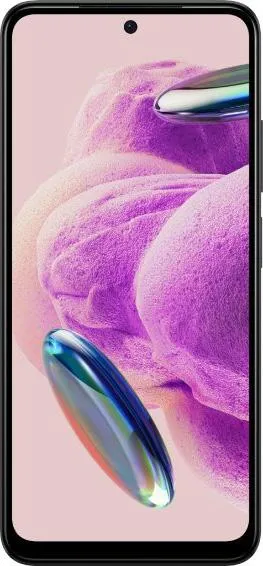
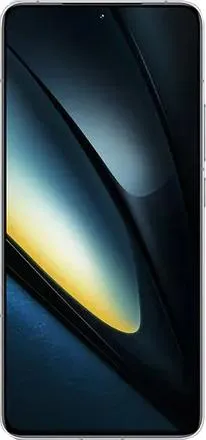
1. Specifications Comparison
| Feature | Xiaomi Redmi Note 12S | Xiaomi Poco F6 Pro | Practical Impact |
|---|---|---|---|
| Design | |||
| Dimensions (mm) | 159.9 x 73.9 x 8.1 | 160.9 x 75 x 8.2 | Poco F6 Pro is slightly larger and heavier. Negligible difference in daily use. |
| Weight (g) | 176 | 209 | Noticeable weight difference; Redmi Note 12S is more comfortable for extended use. |
| Display | |||
| Display Type | AMOLED, 90Hz | AMOLED, 120Hz | Poco F6 Pro offers smoother scrolling and animations due to the higher refresh rate. |
| Display Size | 6.43" | 6.67" | Poco F6 Pro provides a larger screen for media consumption and multitasking. |
| Resolution | 1080 x 2400 | 1440 x 3200 | Significantly sharper and more detailed visuals on the Poco F6 Pro. |
| Peak Brightness | 1000 nits | 4000 nits | Poco F6 Pro offers superior outdoor visibility in direct sunlight. |
| HDR Support | No Dolby Vision, HDR10/10+ data missing | Dolby Vision, HDR10+ | Poco F6 Pro provides a significantly better HDR experience for compatible content. |
| Performance | |||
| Chipset | Mediatek Helio G96 (12nm) | Snapdragon 8 Gen 2 (4nm) | Massive performance difference. Poco F6 Pro handles demanding tasks and gaming with ease. |
| CPU | Octa-core (2x2.05 GHz A76 & 6x2.0 GHz A55) | Octa-core (1x3.2 GHz X3 & 2x2.8 GHz A715 & 2x2.8 GHz A710 & 3x2.0 GHz A510) | Poco F6 Pro has a much more powerful and efficient CPU architecture. |
| GPU | Mali-G57 MC2 | Adreno 740 | Substantial GPU advantage for the Poco F6 Pro, resulting in significantly better gaming performance. |
| RAM | 6/8GB | 12/16GB | Poco F6 Pro offers superior multitasking capabilities with more RAM. |
| Camera | |||
| Main Camera | 108MP, f/1.8 | 50MP, f/1.6, OIS | While Redmi Note 12S has higher resolution, Poco F6 Pro features OIS for significantly improved low-light performance and video stability. |
| Video Recording | 1080p@30fps | 8K@24fps, 4K@60fps | Poco F6 Pro offers vastly superior video recording capabilities. |
| Battery | |||
| Capacity | 5000 mAh | 5000 mAh | Similar battery capacity, but real-world battery life will depend on usage and efficiency of the chipset. |
2. Key Differences Analysis
Xiaomi Redmi Note 12S Advantages:
- Lighter and More Compact: More comfortable for one-handed use and extended periods.
- Lower Price: More budget-friendly option.
Xiaomi Poco F6 Pro Advantages:
- Significantly Higher Performance: Much faster processor, GPU, and more RAM for demanding tasks and gaming.
- Superior Display: Higher resolution, refresh rate, peak brightness, and HDR support.
- Better Camera System: Optical Image Stabilization (OIS) enables better low-light photos and stable videos. Advanced video recording capabilities.
Trade-offs:
- Price: The Poco F6 Pro is significantly more expensive.
- Size and Weight: The Poco F6 Pro is larger and heavier.
3. User Profiles & Recommendations
Redmi Note 12S: Budget-conscious users who prioritize basic smartphone functionalities like calling, texting, social media, and casual photography.
Poco F6 Pro: Users who demand top-tier performance for gaming, demanding applications, content creation, and high-quality photography and videography.
4. Decision Framework
Key Questions for Buyers:
- What is your budget?
- What are your primary smartphone usage patterns?
- How important are performance, display quality, and camera capabilities?
My Choice: Xiaomi Poco F6 Pro
While the Redmi Note 12S is a decent budget option, the Poco F6 Pro's superior performance, stunning display, and advanced camera capabilities make it the clear winner for me. The Snapdragon 8 Gen 2 chip offers a significant leap in performance, ensuring a smooth and lag-free experience for years to come. The 120Hz AMOLED display with Dolby Vision and HDR10+ support will provide an immersive visual experience. Additionally, the inclusion of OIS in the camera is crucial for capturing stable videos and clear low-light photos. Though more expensive, the Poco F6 Pro offers a significantly better overall user experience and future-proofing, justifying the higher price. I prioritize performance and future-proofing in a smartphone, and the Poco F6 Pro delivers on those fronts.
